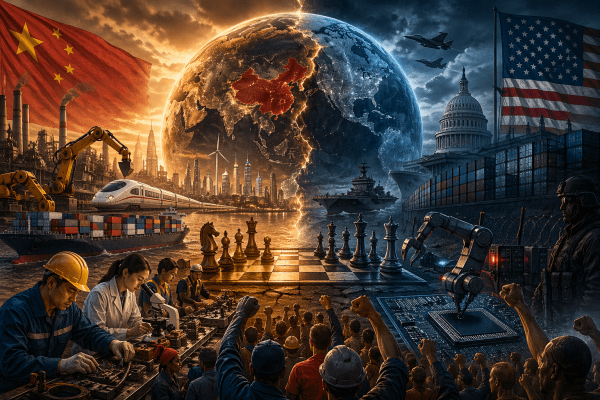
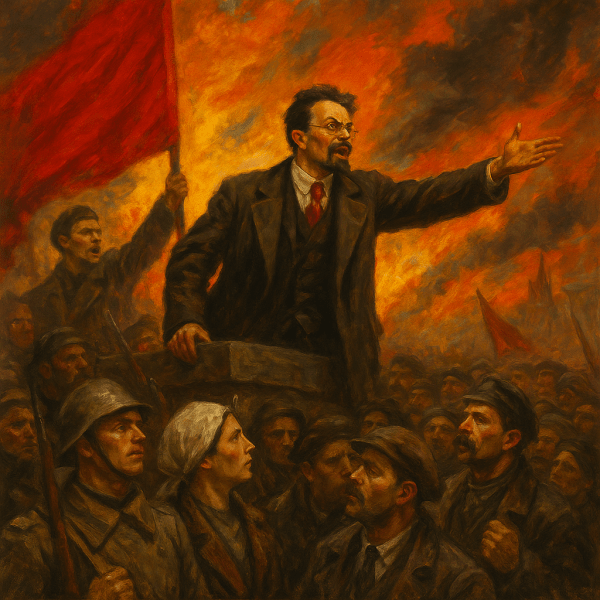
A Weaponized Propaganda Excavation of Kaiser Kuo’s modernity sermon—through the eyes of the people who build the world Prince Kapone | Weaponized Information | October 22, 2025 The Rhetoric of a “Reckoning” Kaiser Kuo’s essay walks onto the stage like a priest at a confessional, telling the West it’s time to face the mirror. He... Continue Reading →
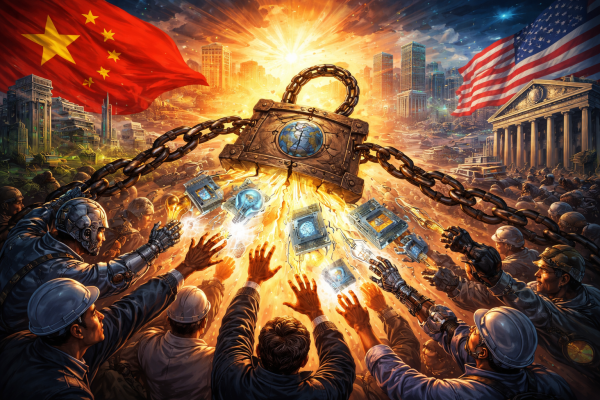
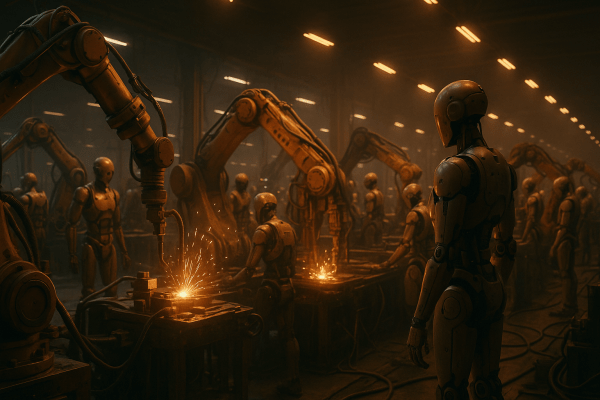
Fear of a Robotic Planet: Why Western Executives Are Shaken by Socialist Modernity
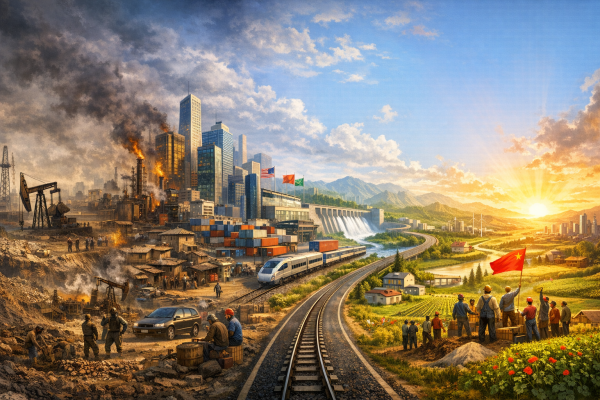
They built the machines to serve capital. Now the machines serve history. The empire that once automated the world for profit is trembling before a socialism that automates for survival.By Prince Kapone | Weaponized Information | October 16, 2025“There Are No People”: Panic as Proof in a Dying Empire’s MirrorOn October 14, 2025, Futurism published... Continue Reading →
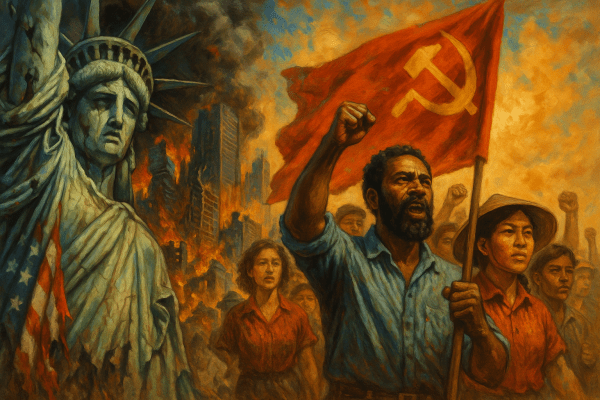
Capitalism, Plutocracy, and the Struggle for Real Democracy
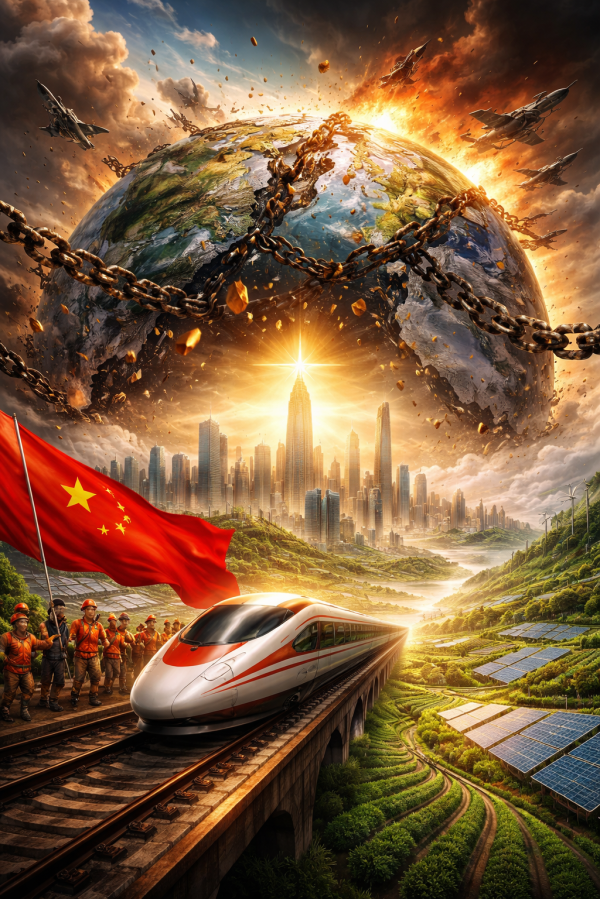
Why democracy cannot coexist with capitalism, and why socialism alone makes it possibleBy Prince Kapone | Weaponized Information | September 23, 2025The Mirage of Democracy Under CapitalismThey tell us we live in a democracy. They wave ballots in our faces, hold up constitutions like sacred scripture, and remind us of the “freedom” to choose between... Continue Reading →
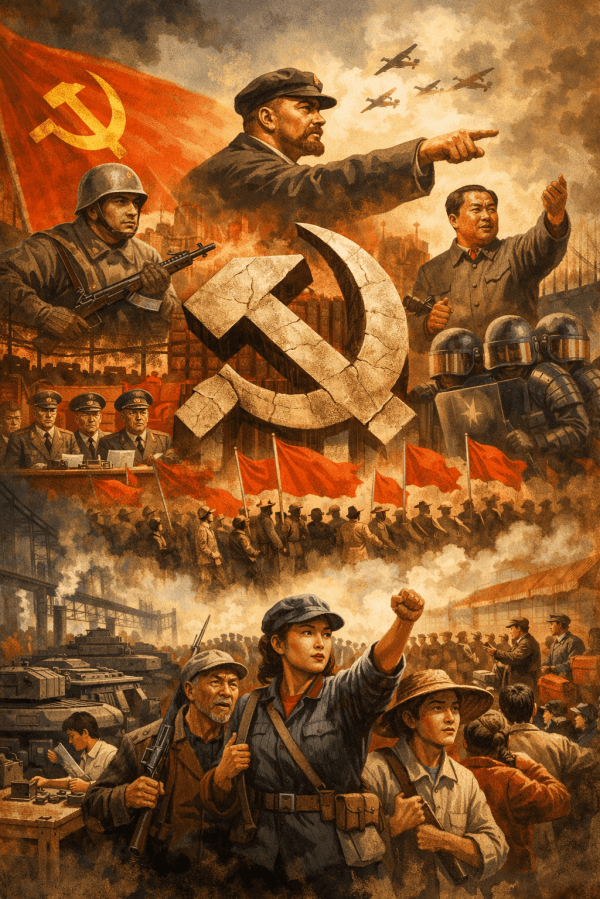
Hankow 1958: Mao’s Checklist Against Bureaucratic Decay
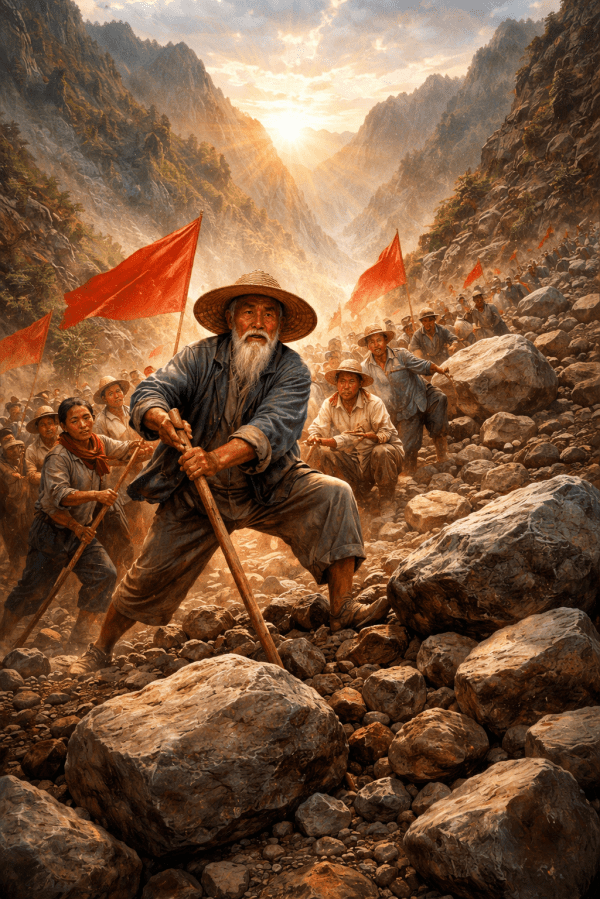
From Chengtu’s questions to Hankow’s battlefield, Mao sharpened the class line, armed the masses with democracy, and struck at the overlord style that threatened to hollow out the revolution.Weaponized Statecraft Series | Mao in Hankow, 1958By Prince Kapone | Weaponized Information | September 14, 2025From Chengtu’s Questions to Hankow’s BattlefieldApril 1958, Hankow. Weeks after forcing... Continue Reading →
Mao at Chengtu: Fighting Brain Rot, Forging Creative Revolution
In March 1958, weeks after issuing his Sixty Points on Working Methods in Nanning, Mao gathered Party leaders at Chengtu. If Nanning warned against bureaucratic drift in the wake of victory, Chengtu waged ideological war against dogmatism, empty boasting, and the paralysis of thought. Here Mao demanded investigation over imitation, mass critique over silence, and... Continue Reading →