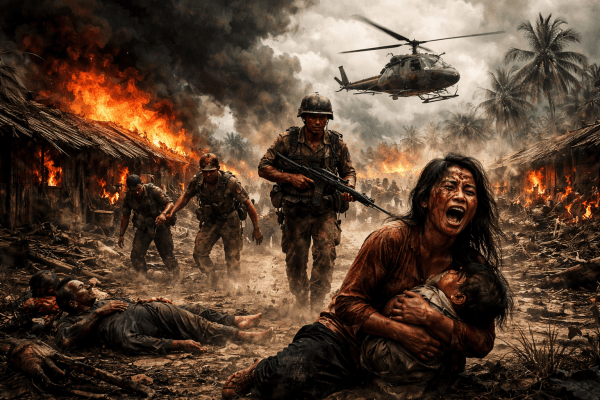
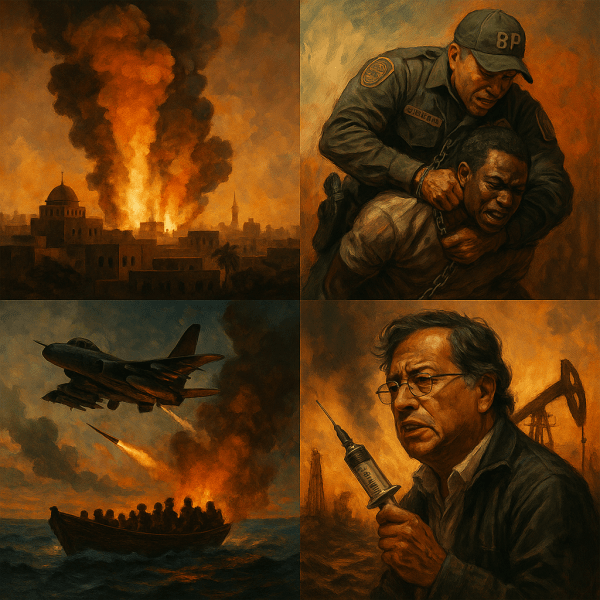
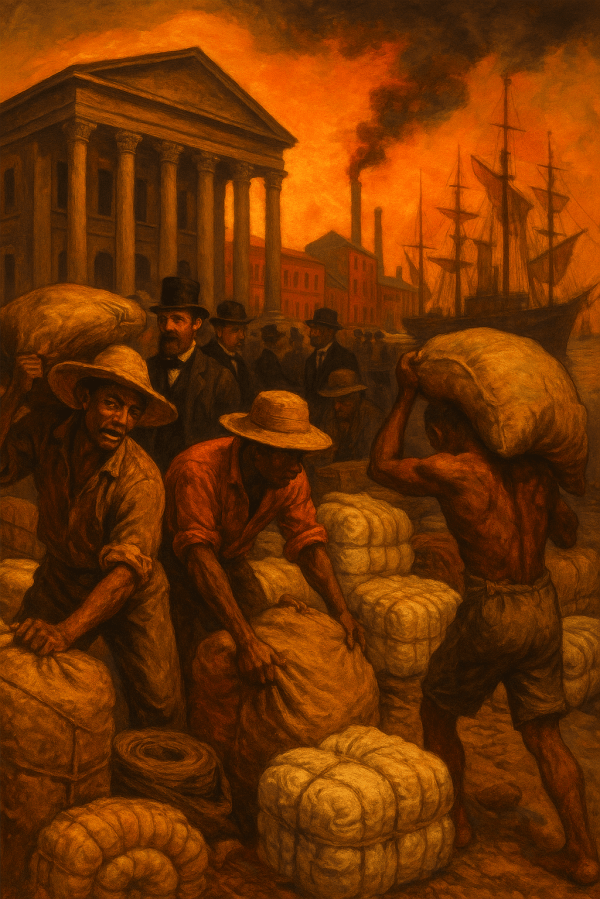
“White guilt” shrinks a global system of power into a private mood. Liberal confession mourns history while preserving the machinery of dominance. Reactionary pride weaponizes heritage to harden bloc discipline under multipolar pressure. Beyond shame and nostalgia lies defection from empire and alignment with global liberation.By Prince Kapone | Weaponized Information | February 20, 2026History... Continue Reading →
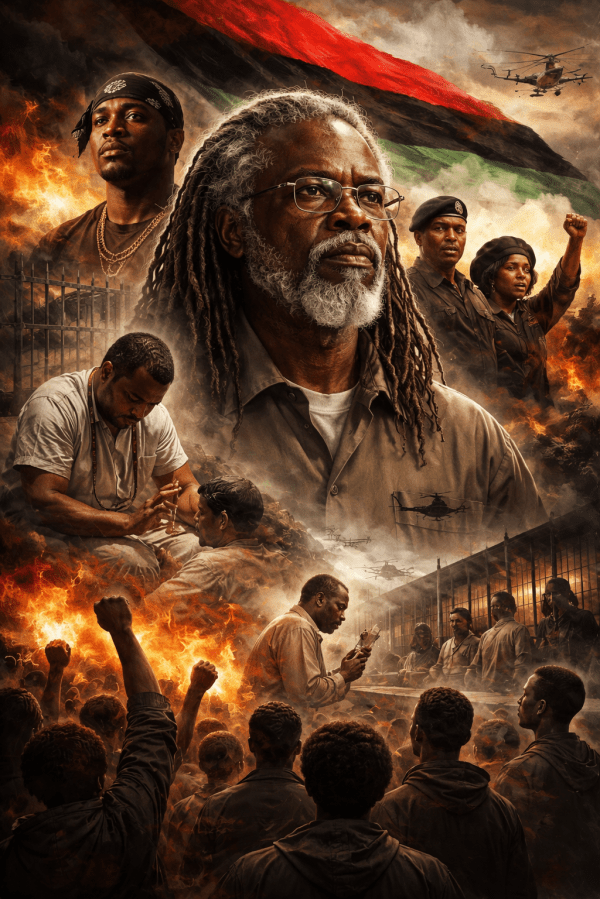
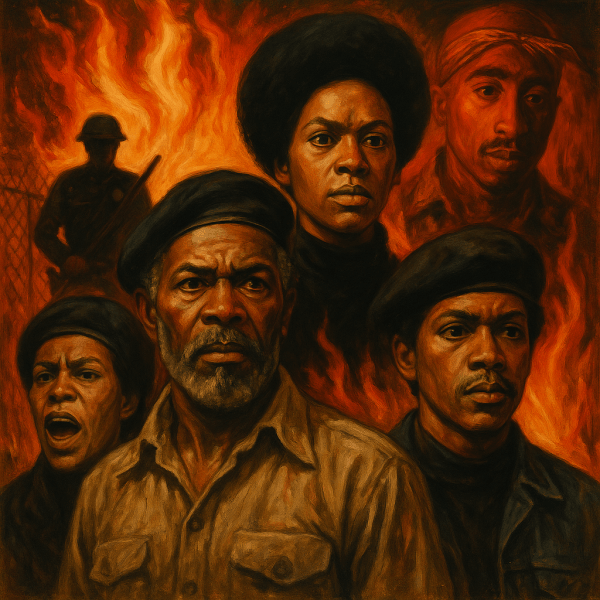
Mutulu Shakur and the Crime of Healing Under Empire
A New Afrikan revolutionary whose life fused care with struggle. A political prisoner held not for what he did, but for what he represented. A case study in how the U.S. state disciplines liberation through time, cages, and memory. His legacy forces a question the system cannot answer: what happens when the oppressed organize to... Continue Reading →
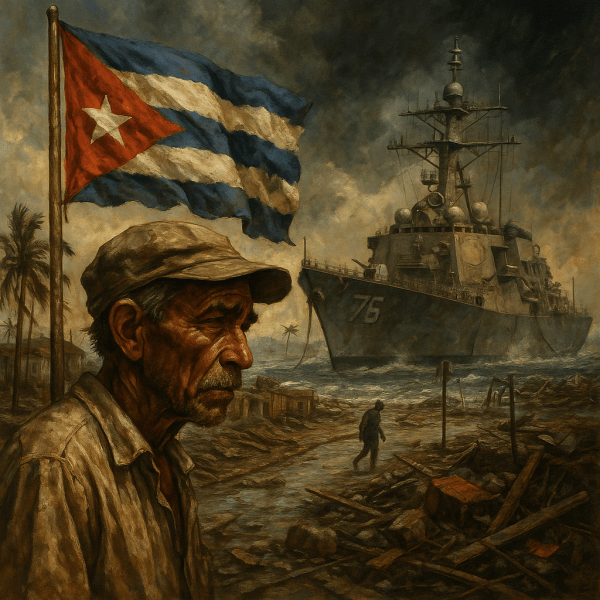
The World Condemns the Blockade: The United States Stands Alone
Nearly every nation on Earth votes to end the economic siege of Cuba — and Washington answers with silence, ships, and sanctions.By Prince Kapone | Weaponized Information | October 31, 2025How the Story Is Arranged Before We Even BeginThe Associated Press article opens by treating the U.S. embargo on Cuba as if it were a... Continue Reading →
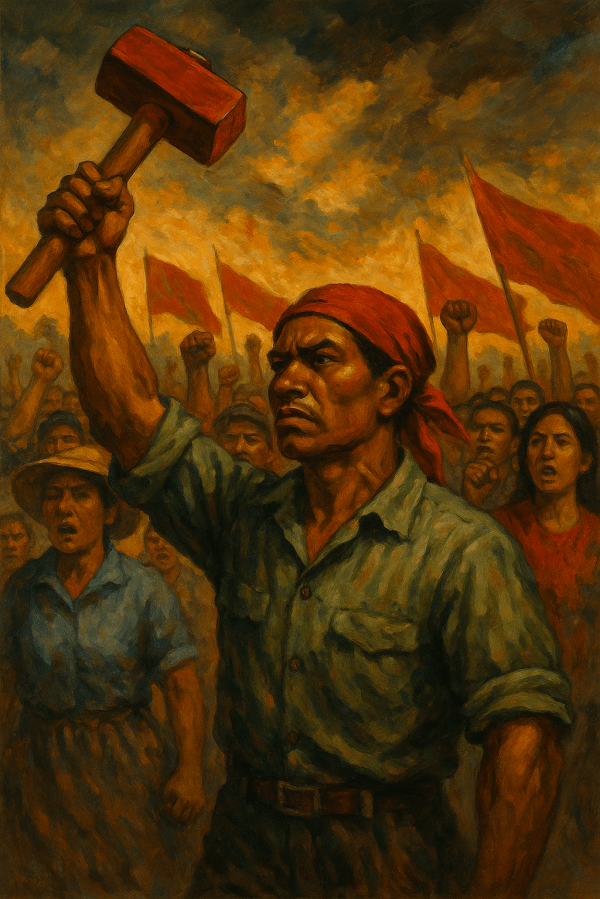
The Hands That Hold the Hammer: Sandinismo, Class Dictatorship, and the Siege of a Revolution
When the workers, peasants, and poor take state power and refuse to give it back, the oligarchy calls it tyranny and the empire calls it a crisis. We call it democracy from below.By Prince Kapone | Weaponized Information | October 2025The State Is a Hammer, Not a HaloThe liberals and their academic chaperones treat the... Continue Reading →
From Gaza to the Caribbean: Petro Names the System, Not the Symptom
The crisis of imperialism and the war on the poor — from fentanyl to fossil fuels, from blockades to bombsBy Prince Kapone | Weaponized Information | September 25, 2025IntroductionGustavo Petro walked into the UN and did what most heads of state never dare: he said out loud what everyone already knows. The bombs that fall... Continue Reading →
An Amerikan Family and the Bloodline of Revolution: The Shakurs vs. the Settler State
How Santi Elijah Holley’s book becomes an indictment of Western Marxism and a battlefield map of Black liberation in the heart of empireBy Prince Kapone | Weaponized Information | September 7, 2025They Tried to Kill a Bloodline, Not Just a ManThe story doesn’t begin with Tupac. Or even Afeni. It begins with Saladin Shakur—a man... Continue Reading →
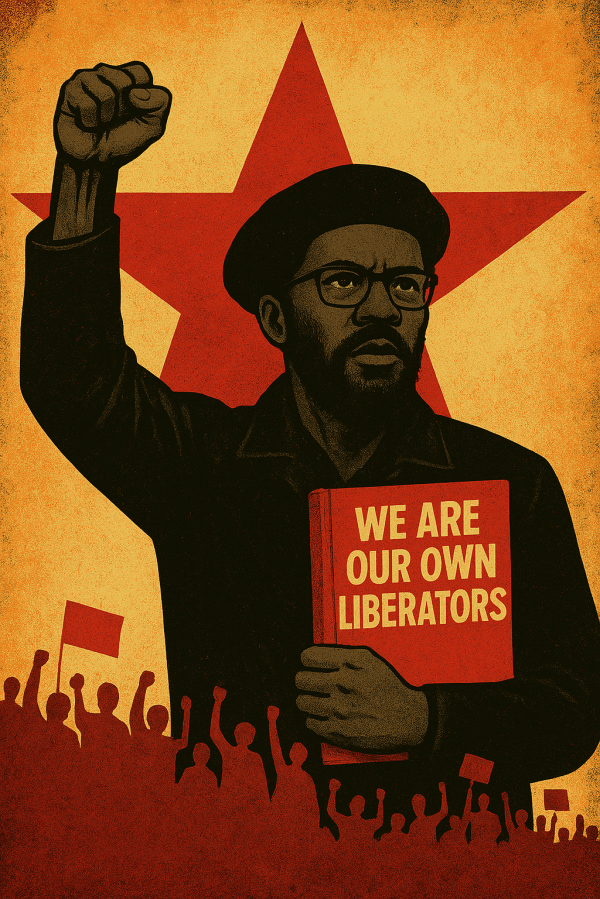
The Death Sentence of Western Marxism: Jalil Muntaqim’s We Are Our Own Liberators
A Weaponized Intellects book review of We Are Our Own Liberators by revolutionary soldier Jalil Muntaqim, who spent 49 years captive in the belly of the beast as a prisoner of war.By Prince Kapone | Weaponized Information | August 20, 2025The Man, the Movement, the SentenceJalil Muntaqim wasn’t born with that name. The settler state... Continue Reading →
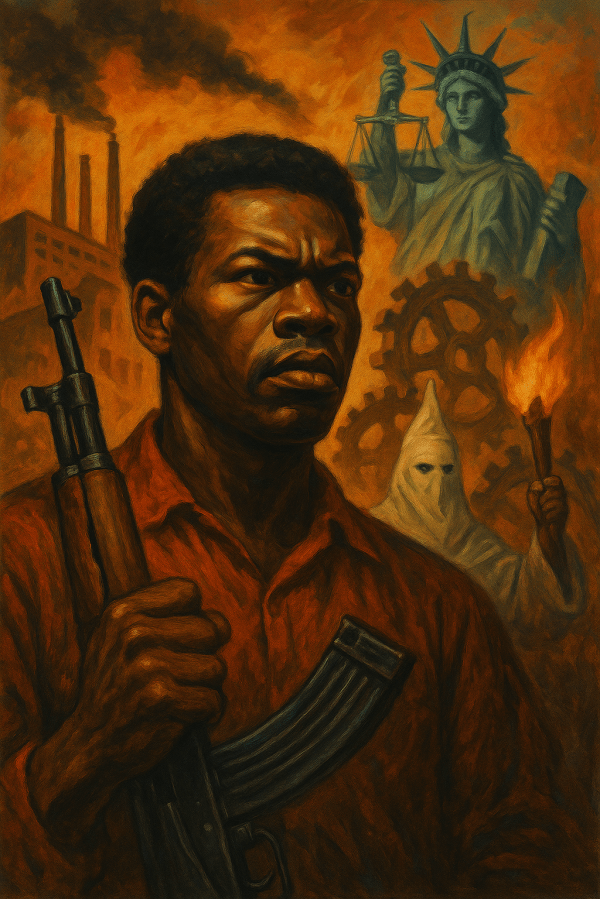
Strike the Empire at Its Weakest Point: A Revolutionary Review of Racism and the Class Struggle by James Boggs
Originally published in 1970 at the height of Black radical insurgency, James Boggs’s Racism and the Class Struggle delivers a merciless indictment of American capitalism as a settler-colonial system sustained by the racial division of labor. Drawing from his own experience as a Black autoworker and Marxist theorist, Boggs exposes the limitations of white Marxism,... Continue Reading →
Markets of Empire: Manchester, Colonial Plunder, and the Arithmetic of Global Capitalism
From the cotton of Bengal to the sugar of Jamaica, the wealth of the City was not born of free exchange—but of forced extraction.By Prince Kapone | Weaponized InformationJuly 24, 2025The Architecture of CatharsisOn July 22, 2025, The Guardian published an article by Chris Osuh titled “Manchester’s Royal Exchange rooted in slavery and colonialism, research... Continue Reading →
Revolution Is Not an Import: Kim Il Sung and the Struggle to Establish Juche
Weaponized Statesman Series | Kim Il Sung at Pyongyang, December 1955 In 1955, Kim Il Sung confronted a Party adrift in imitation. This was not a call for isolation, but a demand to root revolution in the lived experience of the Korean people. Juche, he argued, was not a slogan—it was a method of survival.... Continue Reading →