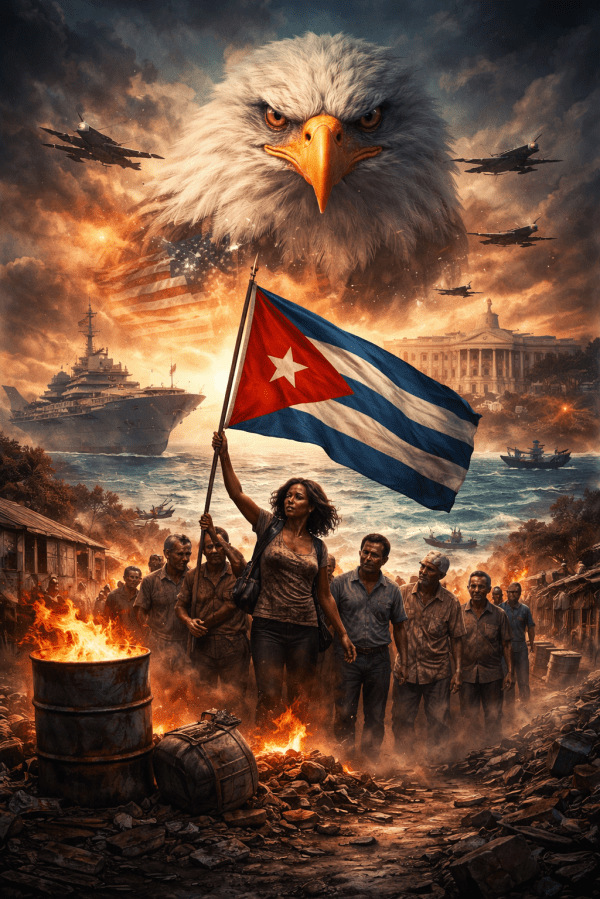
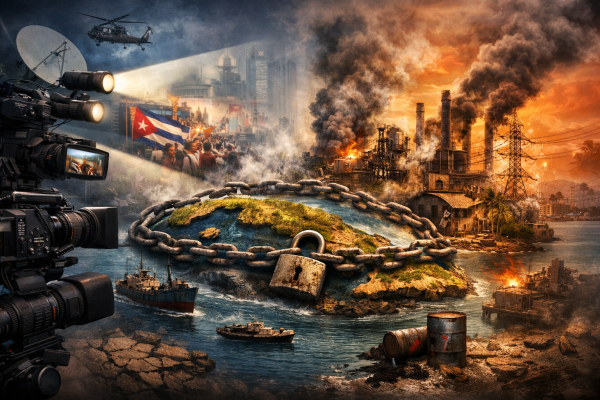
The New York Times launders U.S. regime-change demands into the language of negotiation, masking domination as diplomacy. Beneath the narrative, a coordinated campaign of economic strangulation—especially through energy chokepoints—reveals deliberate coercion, not Cuban failure. This pressure is part of a broader imperial recalibration: the consolidation of Fortress America as a hemispheric bloc under U.S. control.... Continue Reading →
U.S. Empire, Somaliland, and the Sale of Sovereignty at the Red Sea Chokepoint
A Military.com analysis presents U.S. recognition of Somaliland as pragmatic strategy, disguising a deeper imperial project. The colonial fracture between British and Italian Somaliland, combined with postcolonial crisis, has been repurposed into an opening for external intervention. What appears as diplomacy is in fact the conversion of territory into infrastructure—Berbera as port, base, and extractive... Continue Reading →
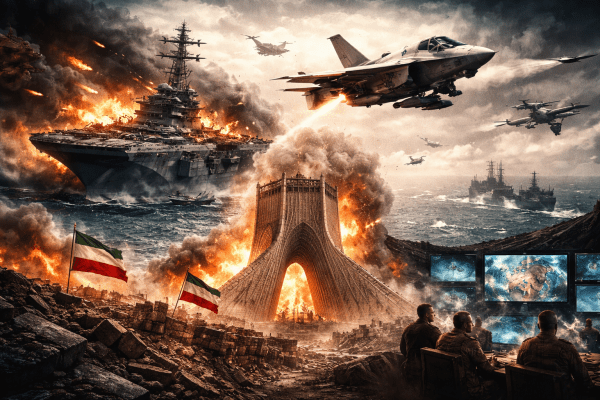
Iran Under Fire, Empire Exposed: The U.S., Israel, and the New York Times’ War Narrative
The New York Times frames imperial vulnerability as logistical inconvenience, masking the political meaning of exposure. The reconstructed facts reveal a war fought across an integrated system of bases, airspace, and energy choke points from Hormuz to Kharg. The deeper contradiction shows an empire that can still project force but can no longer prevent that... Continue Reading →
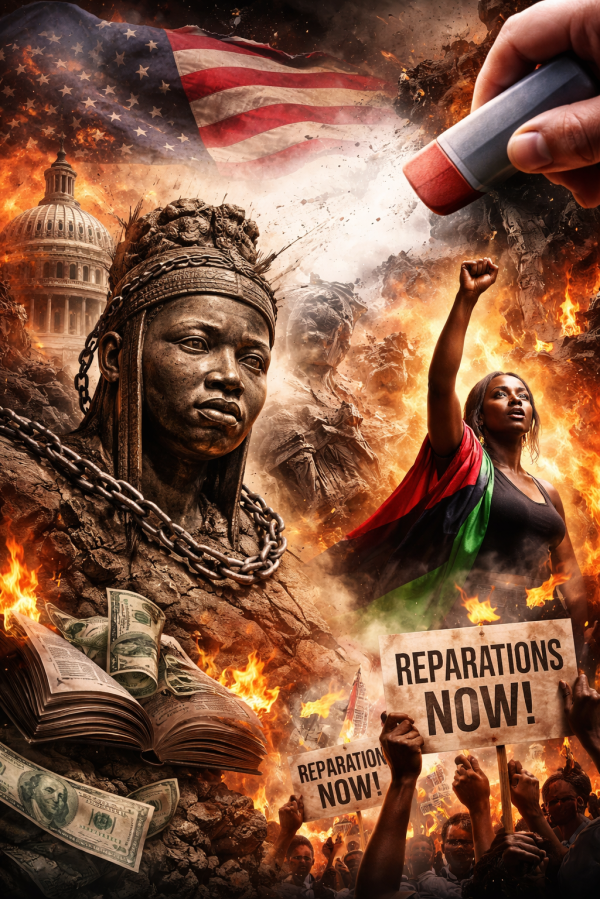
Erase the Crime, Evade the Debt: Black History Under Siege as Reparations Rise
From Reuters’ managed neutrality to Washington’s cultural rollback and Ghana’s UN challenge, the struggle over memory reveals a deeper battle between imperial erasure and a growing global demand for reparatory justice. By Prince Kapone | Weaponized Information | March 27, 2026 The Cropped Memory of Empire “Ghana's president, in New York, says US is ‘normalizing’... Continue Reading →
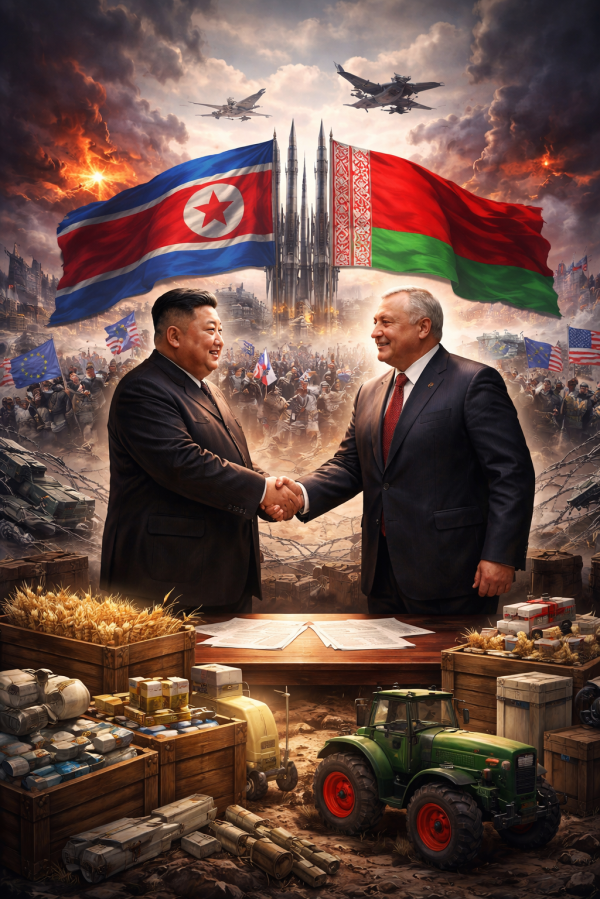
The Independent’s Imperial Blindness: How North Korea and Belarus Refuse Isolation and Build Under Siege
The Independent recasts the DPRK–Belarus treaty as suspicious alignment while obscuring sanctions, war, and coercion shaping both states. The actual record shows concrete agreements across food, healthcare, industry, and education built through ongoing diplomatic coordination. These developments emerge from Korea’s imposed partition, Belarus’s post-Soviet Western pressure, and their shared positioning alongside Russia in the Ukraine... Continue Reading →
The Big Payback: Settling Accounts with the Paid Piper of Western Marxism (Part 1)
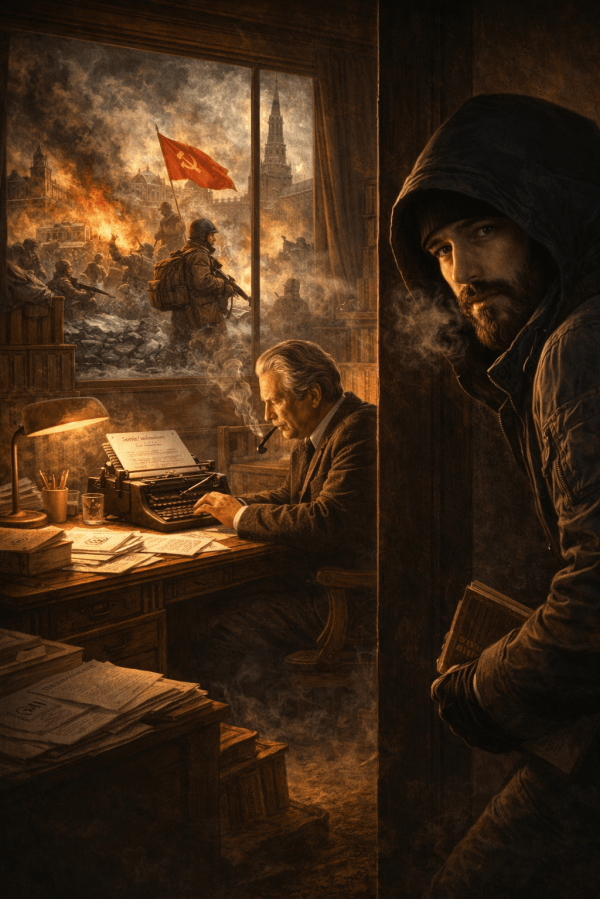
A ruthless chapter-by-chapter assault on Herbert Marcuse’s Soviet Marxism: A Critical Analysis, exposing it not as some noble “immanent critique” of actually existing socialism, but as a polished work of Cold War Western Marxist sabotage—an effort to sever Marx from Lenin, dialectics from revolution, and theory from the hard, blood-soaked labor of building socialism under... Continue Reading →
Endless Holocausts, Endless Empire: Excavating the Violent Logic of American Power
This Weaponized Intellects Book Review dismantles the myth of American innocence by tracing a continuous line from settler genocide and racial slavery to industrial exploitation and global war. It argues that these are not separate injustices but interconnected expressions of a single imperial system, one that reproduces itself through organized violence, ideological cover, and the... Continue Reading →
Blackout and Blockade: Empire’s War on Cuba and the Cracks in the American Pole
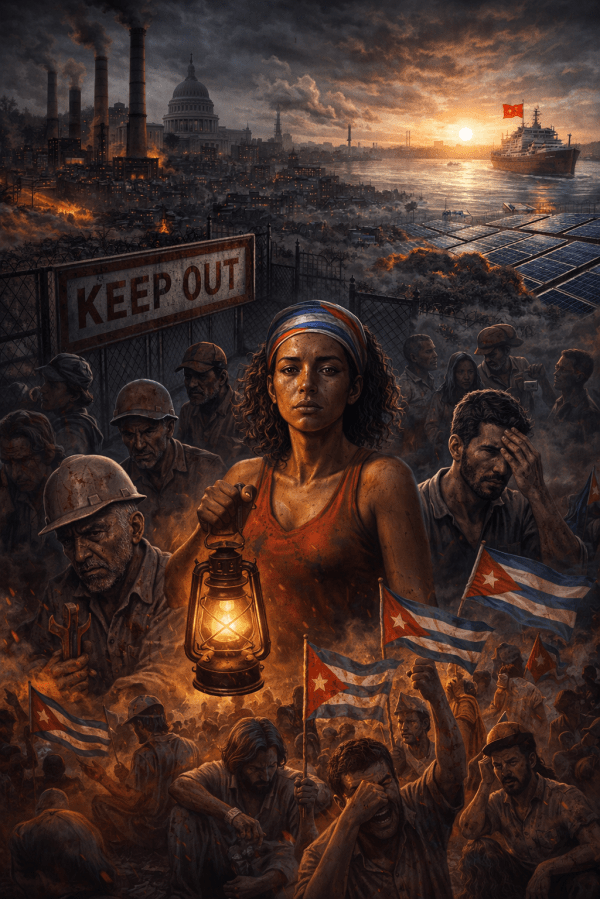
As U.S. imperialism tightens its grip on the hemisphere through economic warfare, Cuba stands at the front line—where the struggle between domination and sovereign development, between imperial command and emerging multipolar possibility, is being fought in real time. By Prince Kapone | Weaponized Information | March 17, 2026 When a Siege Learns to Speak the... Continue Reading →
NBC’s Cuba Narrative and the Siege It Refuses to See
NBC’s coverage frames Cuba’s economic adjustment as a dramatic crisis, but a close reading of the article reveals the narrative techniques and framing devices used to construct that impression. Beneath the headline lies a far denser economic terrain shaped by sanctions, energy shortages, inflation, and the long search for productive stability under siege. When these... Continue Reading →
After the Empire — Before the Collapse
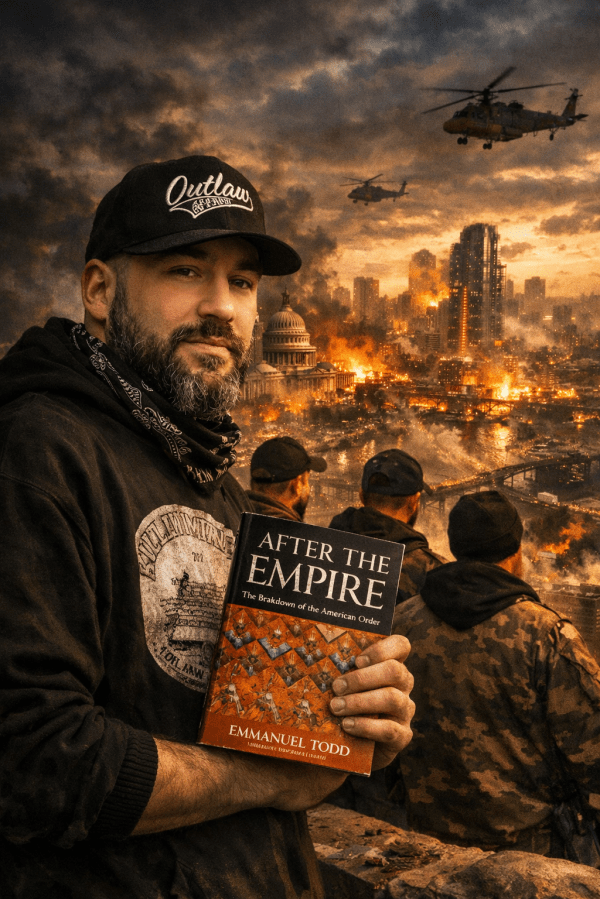
When Emmanuel Todd wrote After the Empire, Washington still believed it ruled a permanent unipolar world. Todd saw something different: an empire sustained less by production than by financial tribute and military spectacle. Two decades later the contradictions he described—economic dependency, micromilitarism, and ideological decay—have matured into the turbulent transition now reshaping global power.By Prince... Continue Reading →