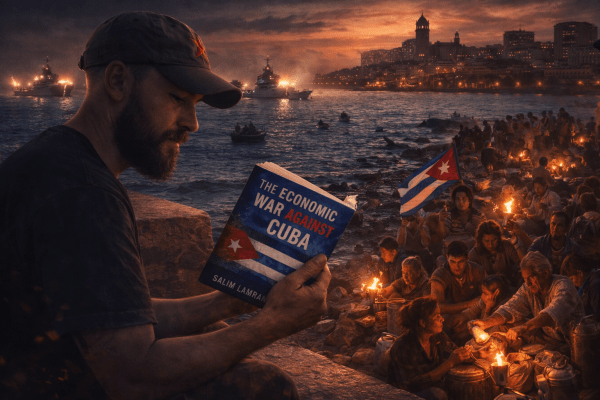
This review of The Economic War Against Cuba by Salim Lamrani excavates the historical architecture of the U.S. blockade and reinterprets it through the present conjuncture, revealing it not as a failed Cold War relic but as an evolving system of imperial economic warfare. Moving from trade embargo to extraterritorial coercion to full-spectrum energy siege,... Continue Reading →
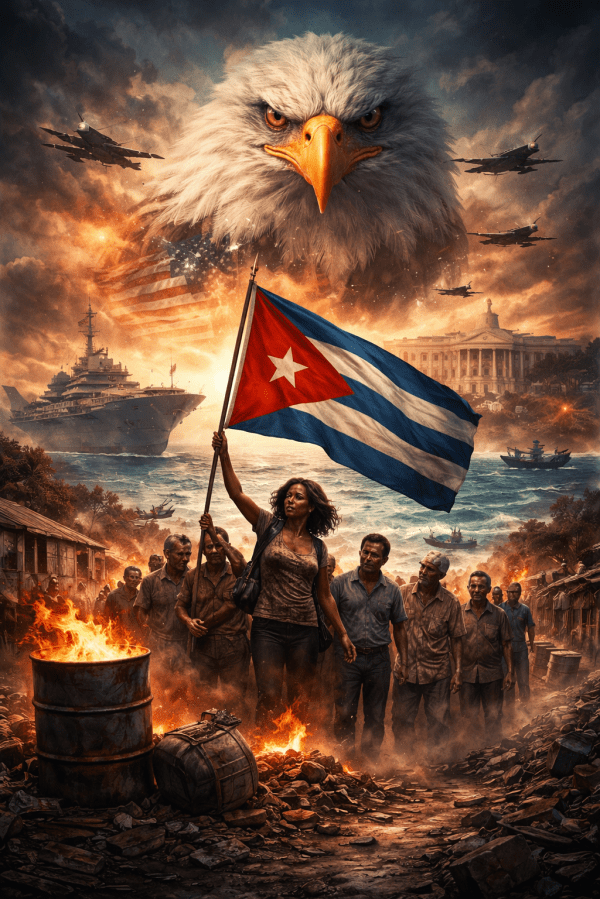
Cuba Will Not Kneel: Trump, The New York Times, and the Contradictions of the American Pole
The New York Times launders U.S. regime-change demands into the language of negotiation, masking domination as diplomacy. Beneath the narrative, a coordinated campaign of economic strangulation—especially through energy chokepoints—reveals deliberate coercion, not Cuban failure. This pressure is part of a broader imperial recalibration: the consolidation of Fortress America as a hemispheric bloc under U.S. control.... Continue Reading →
U.S. Empire, Somaliland, and the Sale of Sovereignty at the Red Sea Chokepoint
A Military.com analysis presents U.S. recognition of Somaliland as pragmatic strategy, disguising a deeper imperial project. The colonial fracture between British and Italian Somaliland, combined with postcolonial crisis, has been repurposed into an opening for external intervention. What appears as diplomacy is in fact the conversion of territory into infrastructure—Berbera as port, base, and extractive... Continue Reading →
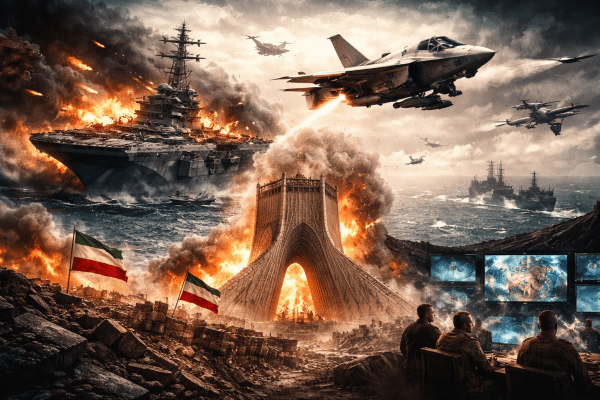
Iran Under Fire, Empire Exposed: The U.S., Israel, and the New York Times’ War Narrative
The New York Times frames imperial vulnerability as logistical inconvenience, masking the political meaning of exposure. The reconstructed facts reveal a war fought across an integrated system of bases, airspace, and energy choke points from Hormuz to Kharg. The deeper contradiction shows an empire that can still project force but can no longer prevent that... Continue Reading →
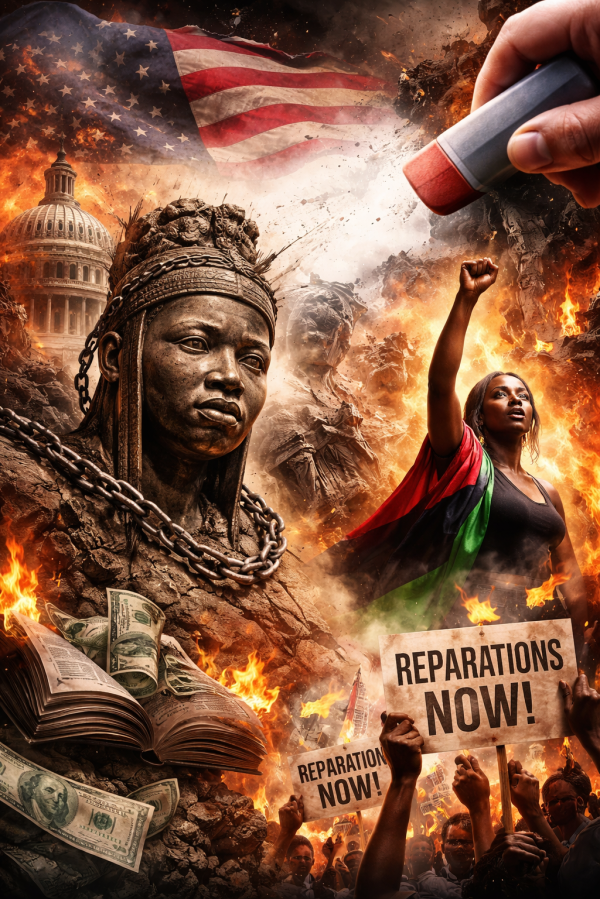
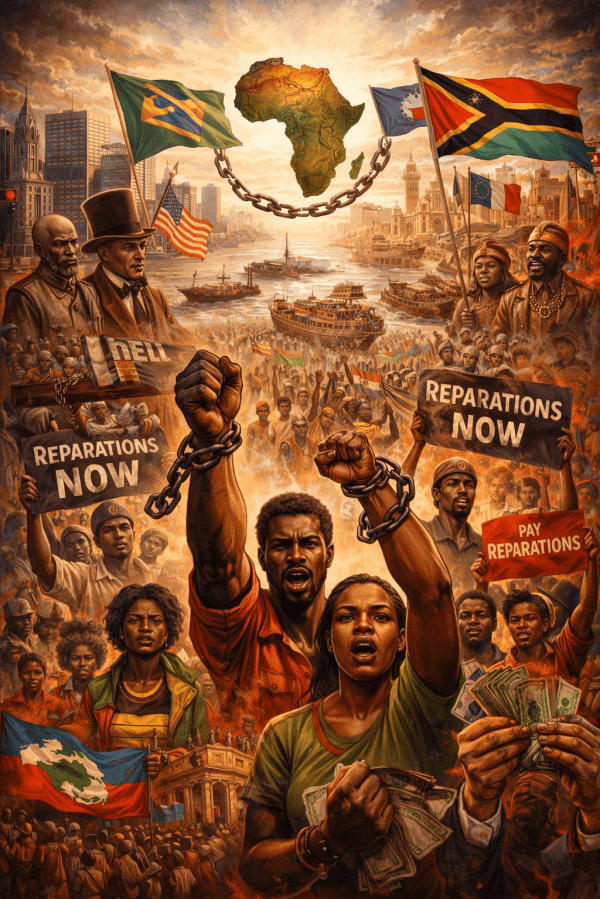
Erase the Crime, Evade the Debt: Black History Under Siege as Reparations Rise
From Reuters’ managed neutrality to Washington’s cultural rollback and Ghana’s UN challenge, the struggle over memory reveals a deeper battle between imperial erasure and a growing global demand for reparatory justice. By Prince Kapone | Weaponized Information | March 27, 2026 The Cropped Memory of Empire “Ghana's president, in New York, says US is ‘normalizing’... Continue Reading →
AP Reports the Crime, Not the Consequence: How Empire Acknowledges Slavery While Defending Its Spoils
The Associated Press presents the UN resolution as a moment of moral recognition, but its reliance on official voices and diplomatic language reveals how power narrates history without disturbing itself. The material record shows that slavery’s wealth still structures the present, and that organized reparations movements—from Africa to the Caribbean to grassroots struggles—are confronting that... Continue Reading →
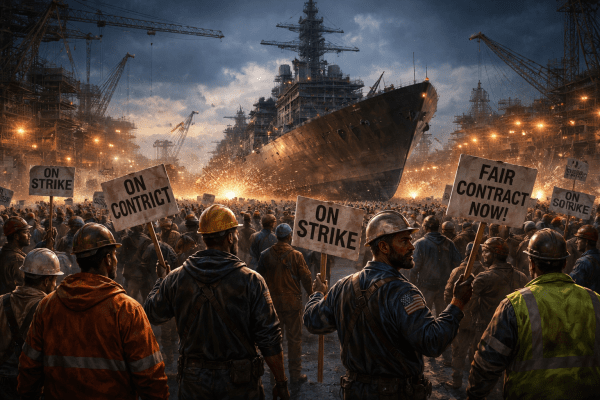
When Labor Strikes Inside the War Machine: AP News, General Dynamics, and Imperial Labor Struggle
A shipyard walkout in Maine exposes a deeper contradiction: workers fighting for survival while producing the instruments of empire—and the political line required to break that alignment. By Prince Kapone | Weaponized Information | March 23, 2026 When the War Yard Gets Reduced to a Payroll Dispute There is a very particular kind of reporting... Continue Reading →
Endless Holocausts, Endless Empire: Excavating the Violent Logic of American Power
This Weaponized Intellects Book Review dismantles the myth of American innocence by tracing a continuous line from settler genocide and racial slavery to industrial exploitation and global war. It argues that these are not separate injustices but interconnected expressions of a single imperial system, one that reproduces itself through organized violence, ideological cover, and the... Continue Reading →
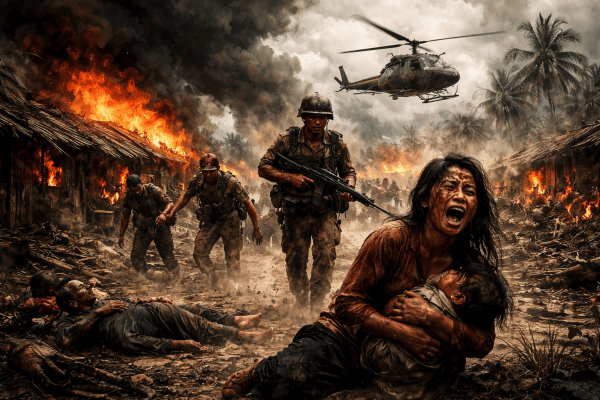
Kill Anything That Moves: Excavating the Hidden Logic of America’s War in Vietnam
This Weaponized Intellects review enters Nick Turse’s investigation as both a historical excavation and a political indictment. It traces how a counterinsurgency war built on body counts transformed the Vietnamese countryside into a laboratory of industrialized violence. It examines the bureaucratic systems that normalized atrocity and the machinery of denial that later buried the evidence.... Continue Reading →
NBC’s Cuba Narrative and the Siege It Refuses to See
NBC’s coverage frames Cuba’s economic adjustment as a dramatic crisis, but a close reading of the article reveals the narrative techniques and framing devices used to construct that impression. Beneath the headline lies a far denser economic terrain shaped by sanctions, energy shortages, inflation, and the long search for productive stability under siege. When these... Continue Reading →