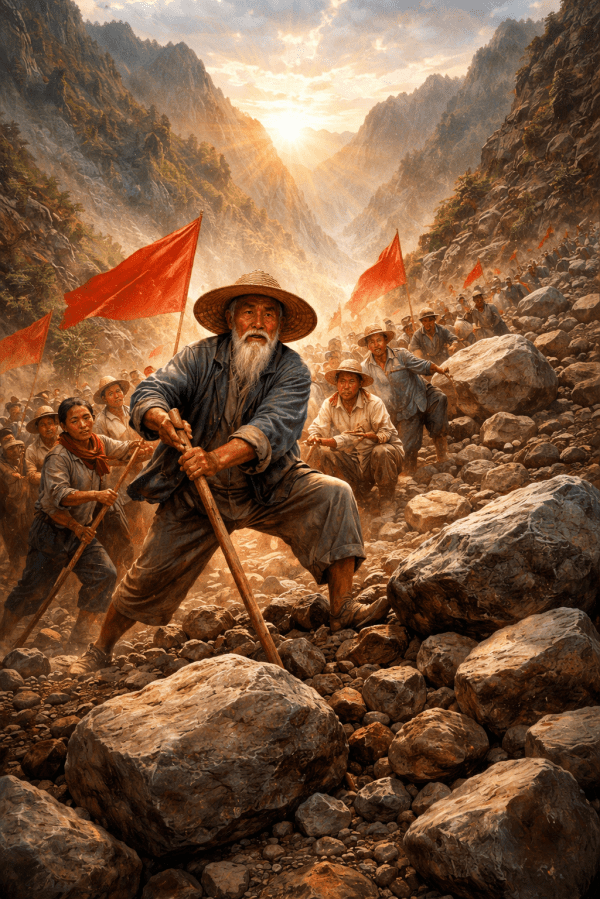
From Mao’s seizure of sovereignty to Xi’s effort to discipline capital, China’s modern history is neither a fall from revolutionary purity nor a smooth ascent into capitalism, but a protracted socialist struggle through contradiction. Each phase of development generated new class forces, new dangers, and new strategic adjustments, as the Party-state sought to preserve political... Continue Reading →
Manufacturing a “Xi Doctrine”: How Imperial Analysis Distorts China’s Development Strategy
A think tank narrative repackages China’s Five-Year Plan as a leader-driven doctrine, masking its institutional and historical character. The actual policy reveals a multi-dimensional strategy shaped by domestic priorities and external pressure. This transition reflects a deeper socialist development process unfolding through contradiction, not confusion. Across multiple fronts, emerging forces are beginning to resist the... Continue Reading →
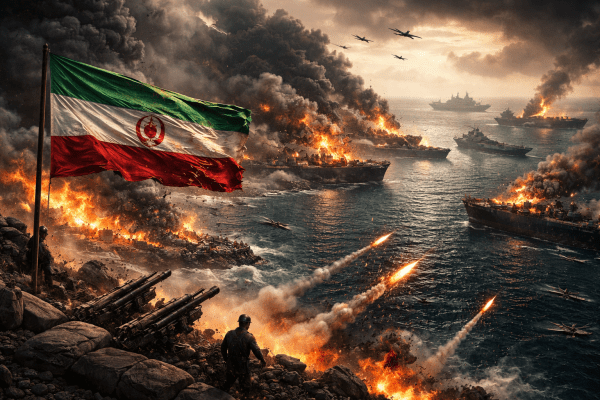
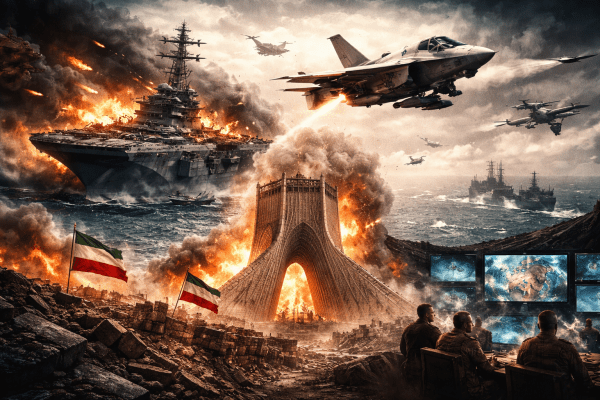
The Eradication of a “Whole Civilization”: Empire’s War on Iran and the Logic of Genocide
The ongoing crisis is no mere conflict but a hyper-imperialist war where the U.S. threatens annihilation to maintain control over global energy chokepoints. Beneath the surface of chaos, the narrative of mutual escalation obscures grim realities: state violence, war crimes, and an empire's desperate bid to stave off a multipolar future, demanding urgent resistance.
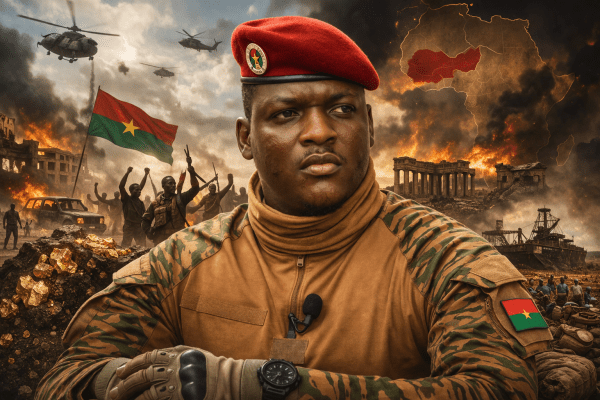
They Killed the State, Then Sold Us “Democracy”: Burkina Faso and the Empire’s Favorite Lie
The BBC frames Burkina Faso as a story of a rogue soldier rejecting democracy, but its narrative quietly assumes the innocence of the very system now being challenged. Beneath the surface lies a region shaped by war, extraction, and foreign control, where democracy functioned less as popular rule than as managed dependency. What appears as... Continue Reading →
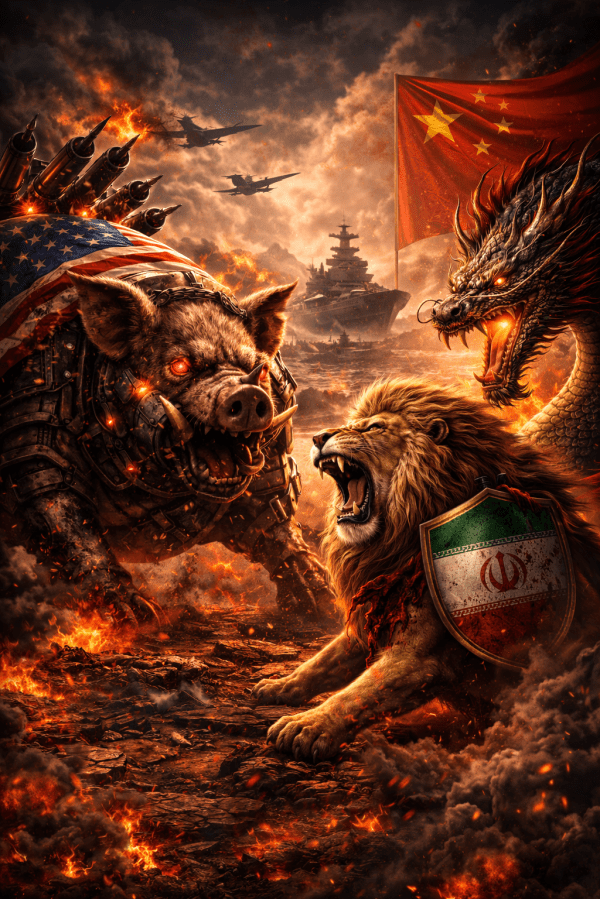
Killing the Lion to Slay the Dragon: Iran, China, and the Architecture of U.S. Power
The bombs falling on Iran did not begin this war—they reveal it. For decades, U.S. strategy has worked to break states, choke economies, and fracture regions in order to control the flow of energy and discipline any path of independent development. What looks like a regional conflict is the tightening of a global vise, aimed... Continue Reading →
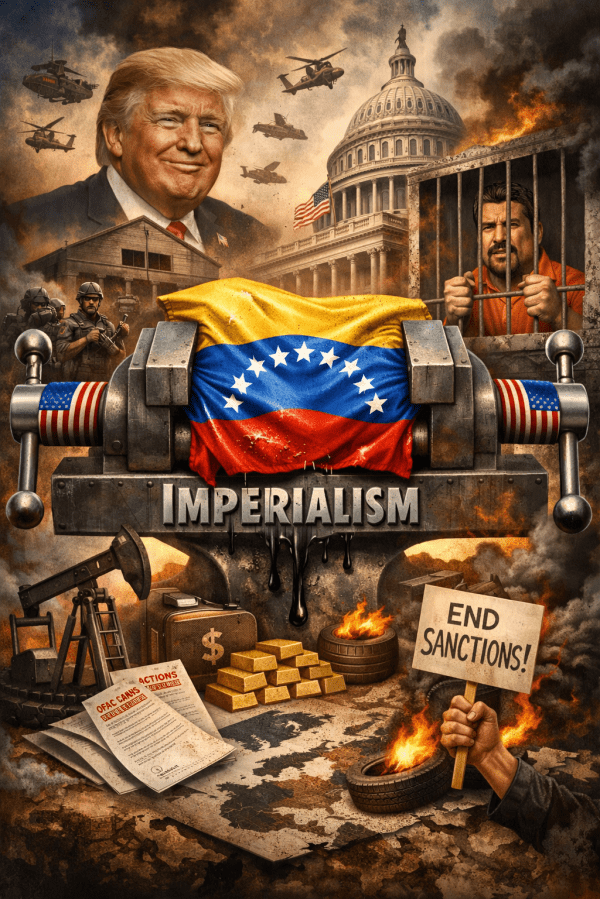
Venezuela in the Imperial Vise: The Intercept, Trump’s “Perfect Scenario,” and the Forced Reconstruction of the Bolivarian State
The Intercept’s account of Trump’s Venezuela “success” exposes colonial features of the new order, but still stops short of naming the imperial body on the table. Beneath the language of reform and normalization lies a forced recalibration: oil, minerals, law, diplomacy, and public finance are being reorganized under duress while the Bolivarian state struggles to... Continue Reading →
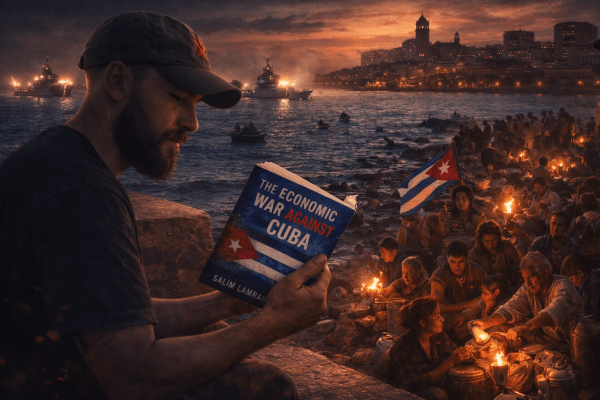
The Gazafication of Cuba: Economic War and the Genocidal Siege on Sovereignty
This review of The Economic War Against Cuba by Salim Lamrani excavates the historical architecture of the U.S. blockade and reinterprets it through the present conjuncture, revealing it not as a failed Cold War relic but as an evolving system of imperial economic warfare. Moving from trade embargo to extraterritorial coercion to full-spectrum energy siege,... Continue Reading →
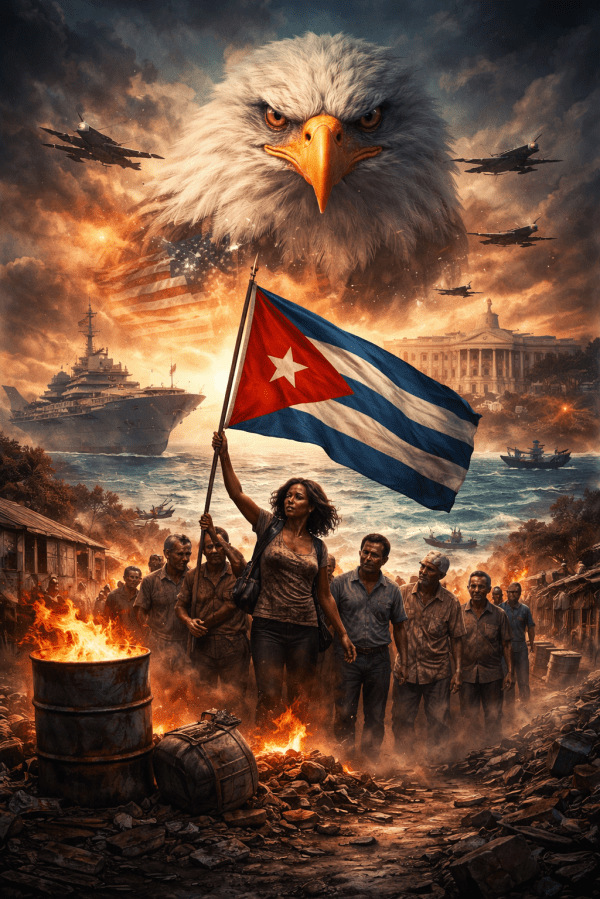
Cuba Will Not Kneel: Trump, The New York Times, and the Contradictions of the American Pole
The New York Times launders U.S. regime-change demands into the language of negotiation, masking domination as diplomacy. Beneath the narrative, a coordinated campaign of economic strangulation—especially through energy chokepoints—reveals deliberate coercion, not Cuban failure. This pressure is part of a broader imperial recalibration: the consolidation of Fortress America as a hemispheric bloc under U.S. control.... Continue Reading →
U.S. Empire, Somaliland, and the Sale of Sovereignty at the Red Sea Chokepoint
A Military.com analysis presents U.S. recognition of Somaliland as pragmatic strategy, disguising a deeper imperial project. The colonial fracture between British and Italian Somaliland, combined with postcolonial crisis, has been repurposed into an opening for external intervention. What appears as diplomacy is in fact the conversion of territory into infrastructure—Berbera as port, base, and extractive... Continue Reading →
Iran Under Fire, Empire Exposed: The U.S., Israel, and the New York Times’ War Narrative
The New York Times frames imperial vulnerability as logistical inconvenience, masking the political meaning of exposure. The reconstructed facts reveal a war fought across an integrated system of bases, airspace, and energy choke points from Hormuz to Kharg. The deeper contradiction shows an empire that can still project force but can no longer prevent that... Continue Reading →