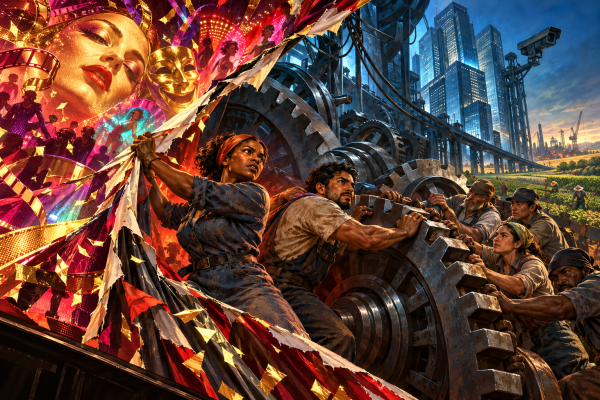
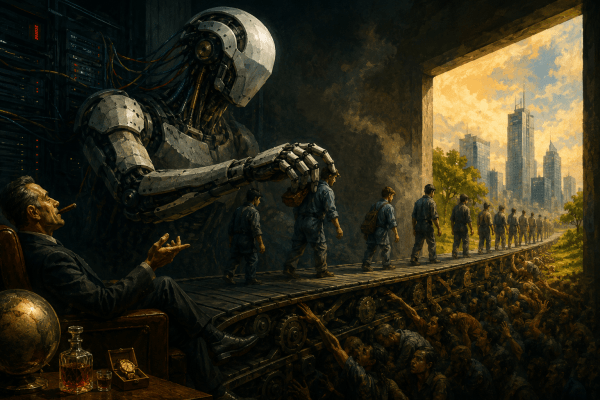
Chris Hedges's "Empire of Illusion" tears apart a society that transforms pain into spectacle and subjugates human connection for profit. But rather than merely lamenting a lost America of democratic ideals, Hedges obscures the necessary power to instigate change. This review ignites crucial questions about the ability of the oppressed—workers, peasants, and colonized peoples—to reclaim agency over their lives. The corporate machinery thrives on exploiting unmet needs while convincing subjects to embrace responsibility for their plight. In this world, true solidarity can’t be given away to capital's whims; it must be reclaimed and repurposed to dismantle oppressive structures.
The Empire Doesn’t Need You, Stupid: Chris Hedges and the Limits of Knowing Better