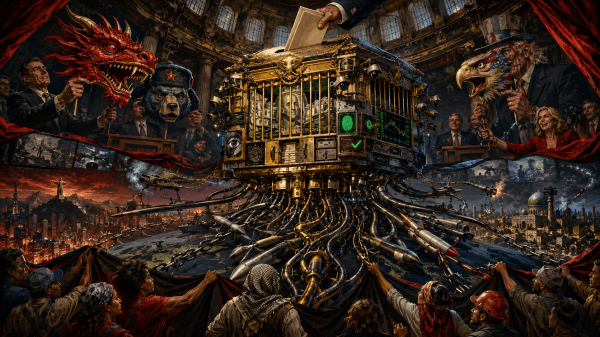
David Corn's resurrection of Russiagate in response to Trump's accusations of Chinagate exposes the absurdity of electoral politics in a billionaire-dominated America. By framing the discourse as a conflict between foreign adversaries—Russia or China—Corn obscures the true culprits: a corrupt ruling class manipulating the political system to protect its interests. Both narratives serve to distract the populace from the reality of a plutocracy masquerading as democracy. The ongoing chaos is but a struggle within the elite, each side reinforcing the structures of oppression while preventing real power from reaching the working class. True resistance demands unity against this imperial façade.
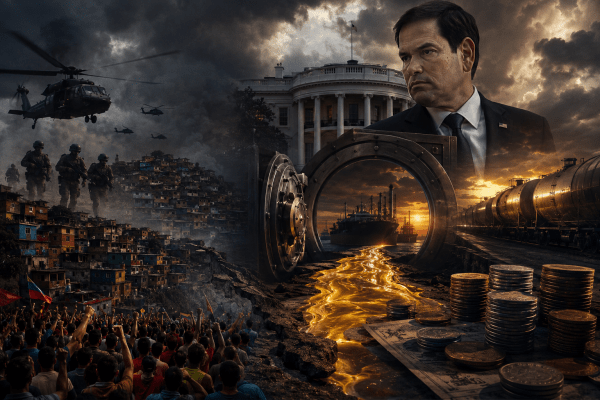
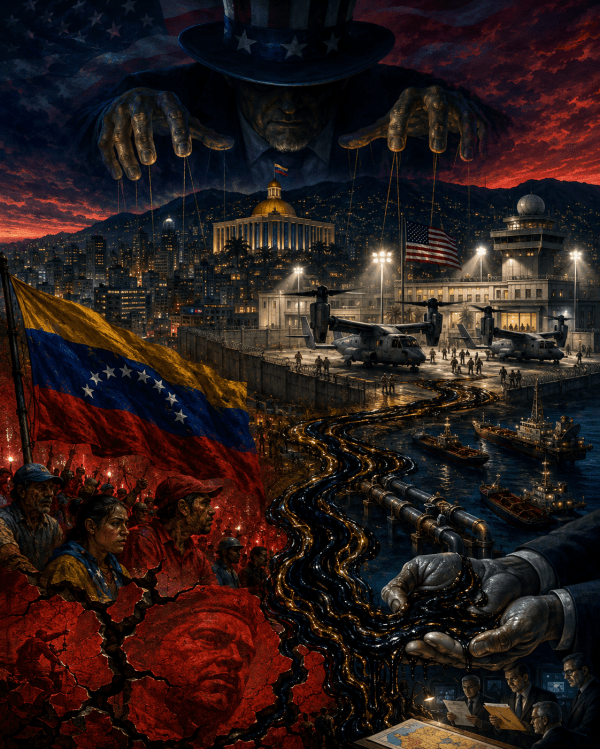
The Viceroy’s Ledger: How Washington Seized Venezuela’s Present and Mortgaged Its Future
The New York Times paints Marco Rubio as Venezuela's imperial viceroy, wielding control over its government through military force, financial manipulation, and a façade of diplomacy. This orchestrated colonial domination, disguised as governance, reveals a grotesque power dynamic where a nation’s sovereignty is traded for political tapestries spun by Washington. While Rubio's grip tightens, the real resistance lies among Venezuelans and anti-imperialist allies in the U.S. They must dismantle U.S.-imposed sanctions and return Venezuela’s wealth to its people. The struggle against colonial rule continues, as the masses can't be merely passive subjects in the rewriting of their national story.
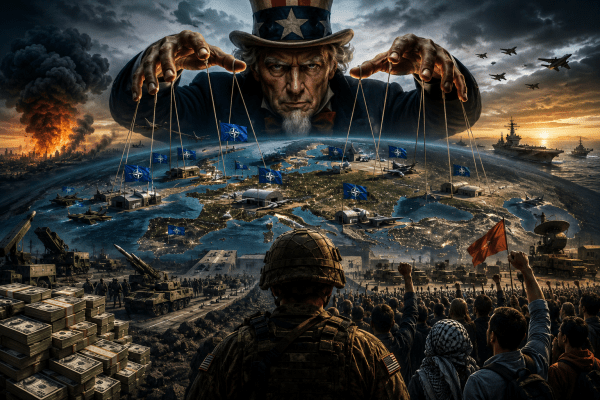
The Mercy Department: How USAID Laundered Empire Through the NGO-Industrial Complex
USAID did not simply deliver humanitarian aid—it institutionalized a model of empire that fused relief, civil society, media, governance, and development into the machinery of U.S. foreign policy. Excavating an NPR interview with former USAID Administrator Samantha Power, this essay exposes how liberal narratives of compassion obscure the agency's role inside the broader NGO-industrial complex. Drawing on anti-imperialist scholarship and Global South perspectives, it argues that the real choice is not between aid and no aid, but between imperial dependency and sovereign development. The struggle ahead is to defend the people harmed by aid cuts while dismantling the donor architecture that transforms solidarity into supervision.
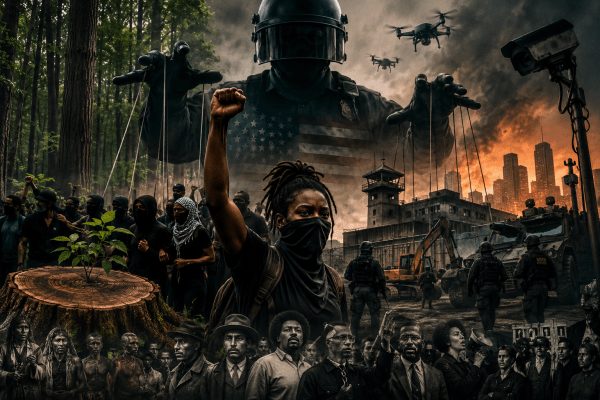
Cop City Is the Counterinsurgency Campus: How “Antifa” Became the New Name for the Old Domestic Enemy
The Guardian's coverage of Trump's "antifa" prosecutions highlights a covert escalation of systemic repression rather than the emergence of a new threat. While it depicts the federal indictment against Cop City protesters as a shocking maneuver, this is merely the latest play in a long history of state-sponsored violence rooted in colonialism, slavery, and counterinsurgency tactics. The narrative frames Trump as the villain while obscuring the entrenched architecture of oppression that transcends his administration. The real battle lies in organizing effective resistance, connecting various social justice movements, and building robust defense mechanisms amidst a climate poised for increasing militarization and legislative warfare against dissent.
The Empire’s Cheapest Deputies: How Liberal Media Turns White-Worker Disillusionment Into Political Defeat
The Guardian correctly rejects the liberal fantasy that MAGA is merely “economic anxiety,” but it turns a crack in the settler bargain into a locked door. Trump 2.0 is not the grassroots program of white workers but the ruling-class recalibration of labor discipline, border terror, tariff nationalism, and imperial decline. The racial wage remains real,... Continue Reading →
The Embassy Government: How AP Turns Venezuela’s Capture Into a Chavista Crack-Up
The Associated Press spins Venezuela’s crisis as a mere internal drama of political division, subtly masking the U.S. military’s pivotal role in toppling Maduro. Behind the façade of Chavismo's weakening loyalties lies imperial coercion—an acting government subservient to Washington. The narrative portrays disarray but downplays U.S. oversight of oil sales and military drills, normalizing foreign occupation while disguising it as internal strife. By framing this as a crisis of governance, the AP shifts attention from the imperial machinery at work, thereby sidestepping critical questions of sovereignty and resistance. The real story is not betrayal; it's exploitation under the guise of reform.
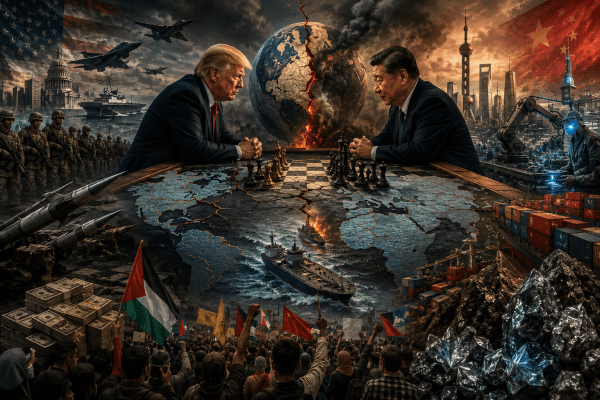
Empire at the Table: Trump, Xi, and the Crisis of Unipolar Power
The Beijing summit is not merely a high-stakes poker game between Trump and Xi; it’s a façade hiding an imperial crisis where U.S. dominance falters amid technological decay and geopolitical strife. France 24’s framing turns complex geopolitical tensions into trivial personal confrontations, ignoring the deeper struggles over resources and sovereignty that threaten global order. As globalization erodes, emerging anti-imperialist movements ripple through nations, rejecting the casino logic of empire. The real question isn’t who holds the cards, but whether an imperial system so reliant on exploitation and coercion can adapt to a world increasingly seeking self-determination and resistance.
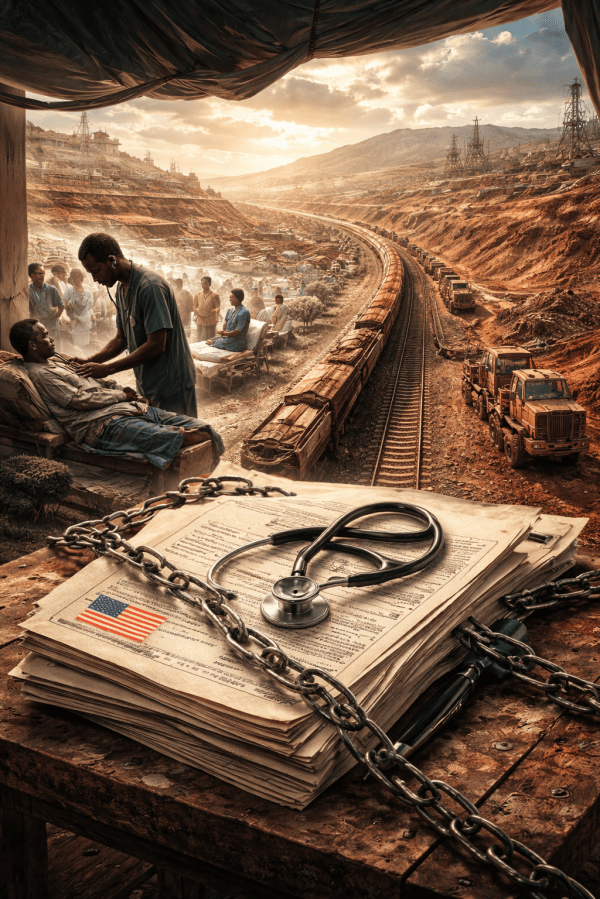
The Guardian’s “Raw Deal” and Washington’s Fine Print: Zambia, Health Aid, and the Politics of Conditional Care
A liberal alarm rings in the pages of The Guardian, exposing troubling terms while leaving the aid architecture itself intact. The material terrain reveals how debt-shaped constraints narrow Zambia’s choices before any negotiation begins. The agreement fuses life-sustaining health systems with mineral governance and long-term informational commitments. Across the Global South, emerging refusals and alternative... Continue Reading →
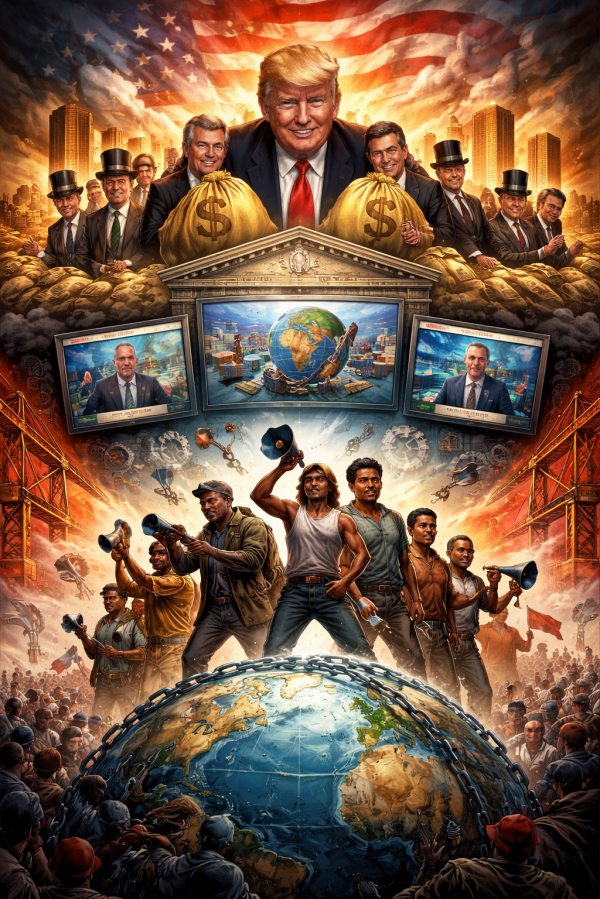
Trump, ABC, and the Monopoly Class: Tariffs, Tax Cuts, and the Crisis of Imperial Political Economy
Corporate media frames tariffs as a consumer morality tale while shielding monopoly power. The data reveals regressive burdens, profit expansion, and geopolitical escalation beneath the headline numbers. Trade warfare emerges as imperial recalibration in a fading unipolar order. Labor, colonized nations, and multipolar movements must organize where the contradictions already burn.By Prince Kapone | Weaponized... Continue Reading →
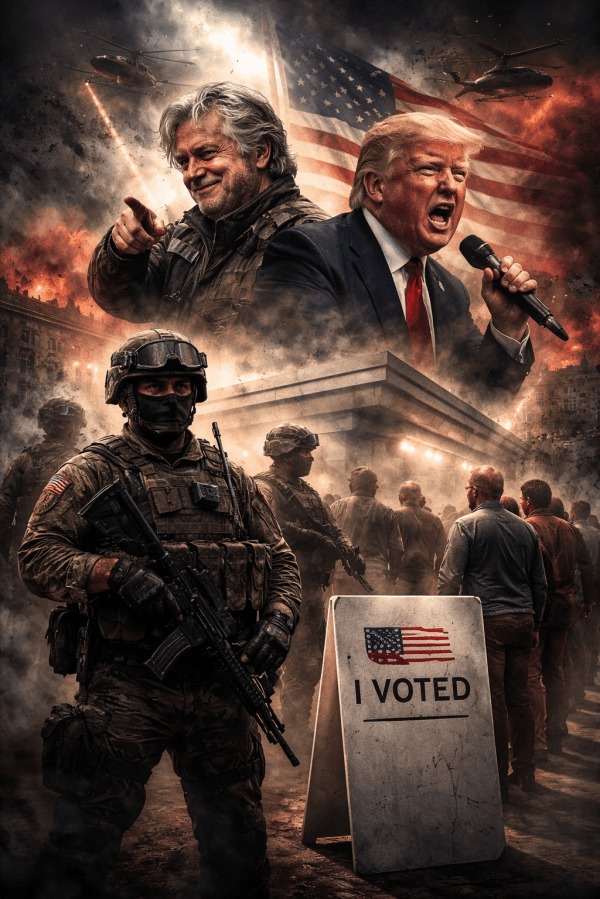
Trump, Bannon, and the Quiet Militarization of the Ballot
A media spectacle reframes intimidation as mere rhetoric. Administrative power is already reorganizing elections from above. Imperial crisis turns participation into a security problem. Political space is defended only through organization from below. By: Prince Kapone | Weaponized Information | February 6, 2026How the Press Turns a Threat Into “Just Talk” The article under excavation,... Continue Reading →