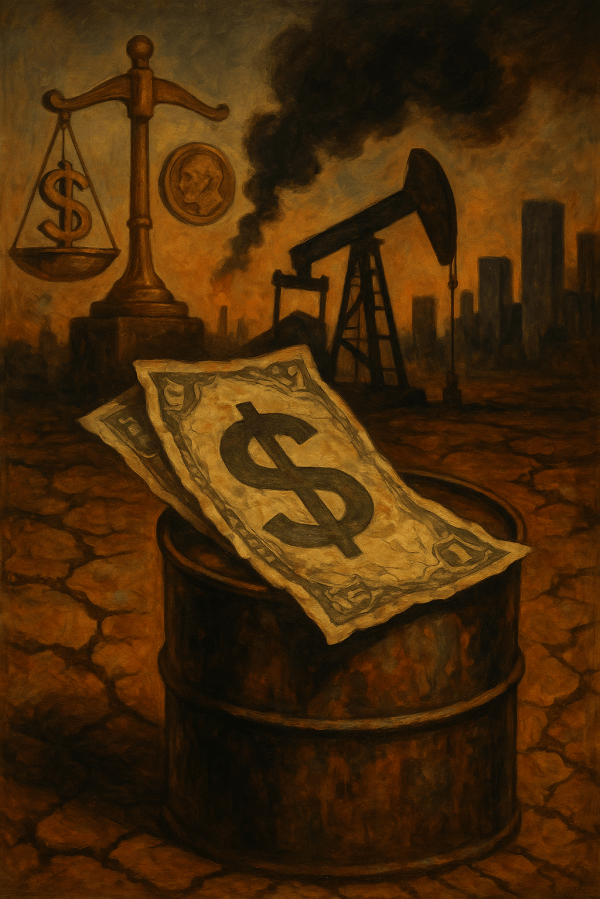
NBC presents falling stocks, rising Treasury yields and volatile oil as separate market reactions to war. Put the pieces back together and a deeper political economy appears. The struggle over Hormuz is raising the cost of energy and global circulation while Washington is already refinancing enormous debts under sharply higher real yields. Those pressures don’t fall evenly: workers, indebted households and vulnerable importing countries absorb higher costs while energy producers and concentrated technology capital occupy very different positions. What looks like market turbulence is really a struggle over the rising material and financial cost of American command—and who gets forced to pay the bill.
Japan Can Shake the Dollar, but It Can’t Set the Rules: The Yen Inside the Dollar Machine
Reuters treats the yen’s violent swings as a market mystery, but the real story runs through the machinery of dollar-centered finance. Japan is a wealthy imperial-core creditor with enormous reserves and U.S. assets, yet its monetary choices remain constrained by U.S. rates, Treasury markets, imported energy, public debt, and capital flows. That dependence is reciprocal but unequal: Japanese instability can hurt Washington even as Tokyo adjusts inside a system it doesn’t command. And the costs travel downward. Workers win raises, then war-driven oil shocks, currency weakness, and inflation threaten to eat them away—turning monetary sovereignty into a class struggle over who pays.
Bessent’s Dollar War: Iran, Imperial Recalibration, and the Rising Cost of American Command
Scott Bessent’s Operation Economic Outcast exposes the machinery beneath U.S. financial power. Washington is not merely sanctioning Iran; it is pressuring governments, banks, ports, airlines, and corporations across the world to enforce American policy or risk exclusion from the dollar system. The campaign reveals a deeper process of Imperialist Recalibration: as U.S. command becomes harder to reproduce, inherited financial and military advantages are wielded more openly and coercively. Yet every act of compulsion also strengthens the incentive for sovereign alternatives. The struggle is over who controls the infrastructure of global economic life—and who gets to say no.
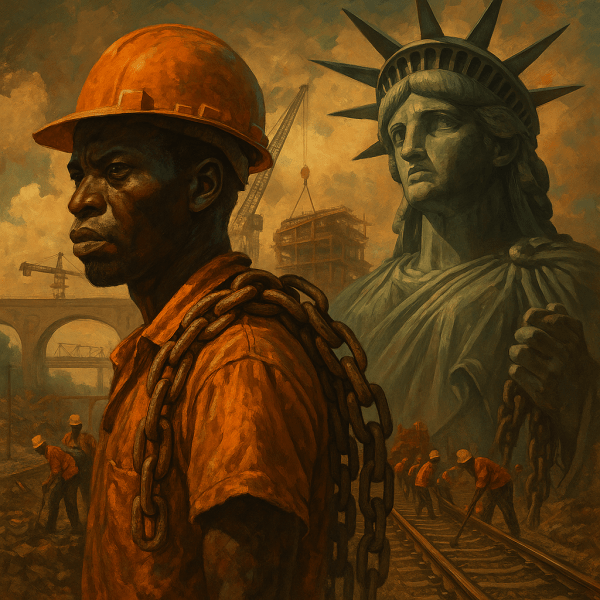
Factories for the Fortress, Austerity for the People: America’s Imperial Reconstruction
The so-called manufacturing rebound lauded by CNBC is a deceptive mirage masking an imperial crisis. Beneath flashy growth numbers lie the ruins of a deindustrialized America, where financial extraction and reliance on foreign inputs have left vital sectors like semiconductors and military production at risk. Tariffs inflate costs, wars disrupt essential supply chains, and the resulting economic strain is shifted onto workers and marginalized communities. Capital demands industry without meaningful investment in labor or infrastructure, turning factories into fortresses of control rather than engines of prosperity. This isn't a renaissance; it's an imperial scramble desperately attempting to reclaim dominance amid its own financial decay.
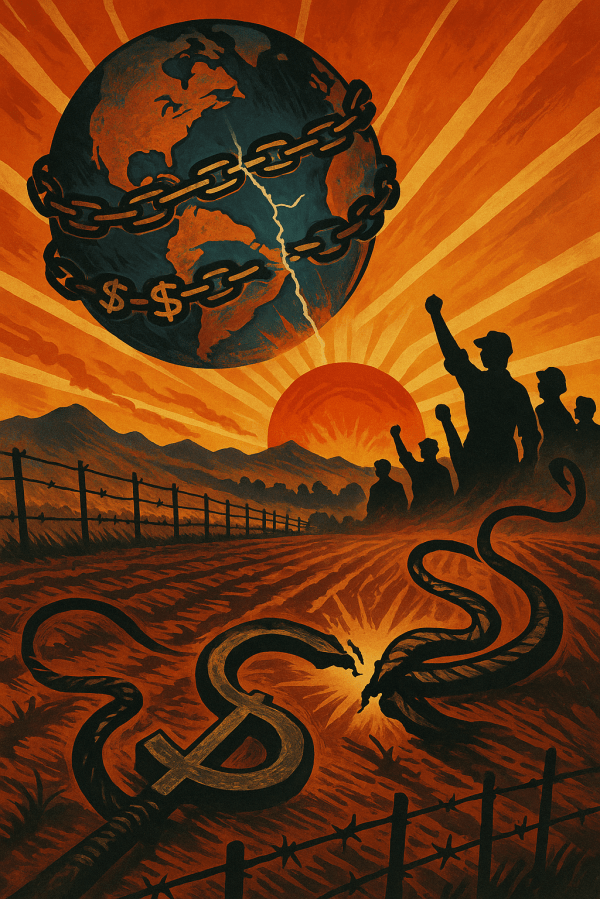
The Whip and the Breaker: How the Yuan Challenges the Dollar’s Global Plantation
Empire built the dollar into a weapon and called it “the world economy.” Now, as China pries open new monetary space, the colonized world smells oxygen—and the old order smells smoke. By Prince Kapone | Weaponized Information | October 2025 The Article, the Illusion, and the Quiet Violence of “Neutral” Language On October 17, 2025,... Continue Reading →
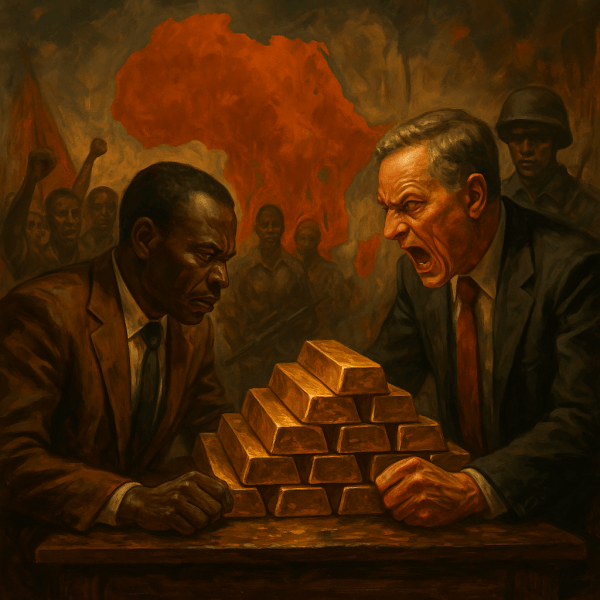
When Gold Glitters Too Loud: The Propaganda War Against African Monetary Sovereignty
Kitco’s reporting cloaks imperial fear in financial jargon while casting African strategy as recklessness. Our excavation exposes the gold rush for what it really is: a sovereign response to centuries of extraction. Gold accumulation and mine nationalization are steps toward regional counterpower, not economic suicide. Revolutionaries in the imperial core must act—where the vaults are... Continue Reading →
Empire’s Empty Wallet: The Rise and Fall of Dollar Hegemony in the Multipolar Age
From Bretton Woods to BRICS+, how imperial finance built a global trap—and why the world is breaking free By Prince Kapone | Weaponized Information | July 10, 2025 The Dollar Didn’t Rise—It Was Forced on the World You ever notice how they always say the U.S. dollar “rose to power”? Like it was elected. Like... Continue Reading →
Empire by Spreadsheet: U.S. Command Restructure and the Bureaucracy of War
Debt. Doctrine. Domination. How the U.S.–Japan alliance became a logistics chain for empire. By Prince Kapone | Weaponized Information | July 1, 2025 Empire by Spreadsheet: The Paperwork of War On June 30, 2025, Stars and Stripes published a piece that reads like a memo passed between Pentagon functionaries: “U.S. Restructures Pacific Command—Containment Gets... Continue Reading →
Debt, Development, and Delinking in Zambia: China vs. the Empire
What the West calls “debt-trap diplomacy” is often a lifeline to sovereignty. The real debt trap was built in Washington—and it’s still claiming victims. Zambia shows us the difference between a loan that builds infrastructure and one that builds a prison.By Prince Kapone | Weaponized Information | June 27, 2025 I. Introduction: Zambia at the... Continue Reading →
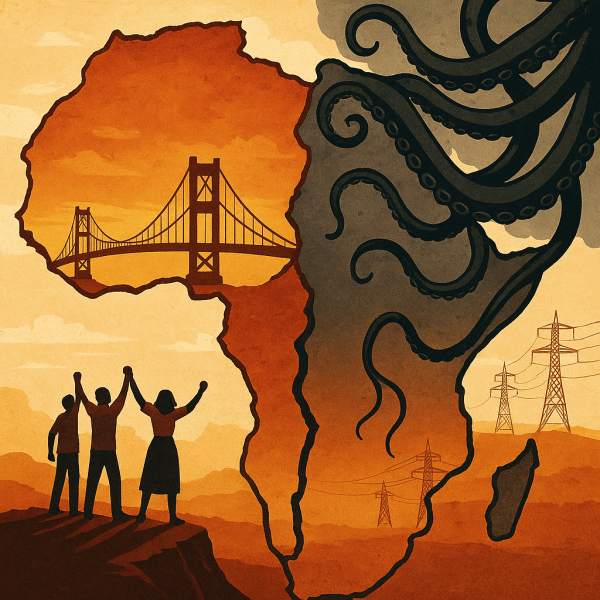
Bridges Not Borders: AfCFTA, the AES, and the Two Roads of African Integration
As imperial technocrats celebrate elite-led intra-African trade under AfCFTA, a deeper integration is rising from below— led by the workers and peasants of the Sahel. This is not just a trade debate. It’s a class war for the soul of the continent— and a call to build concrete bridges of solidarity with the multipolar world.... Continue Reading →