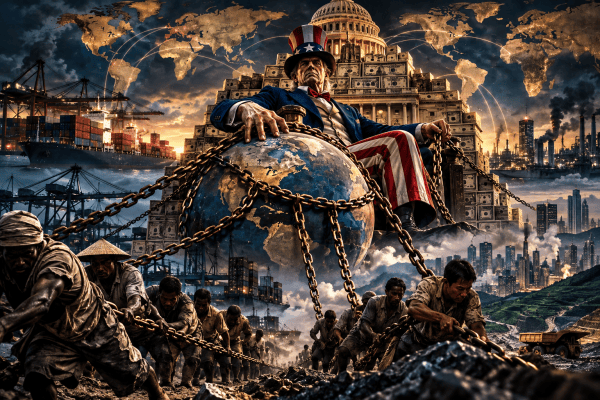
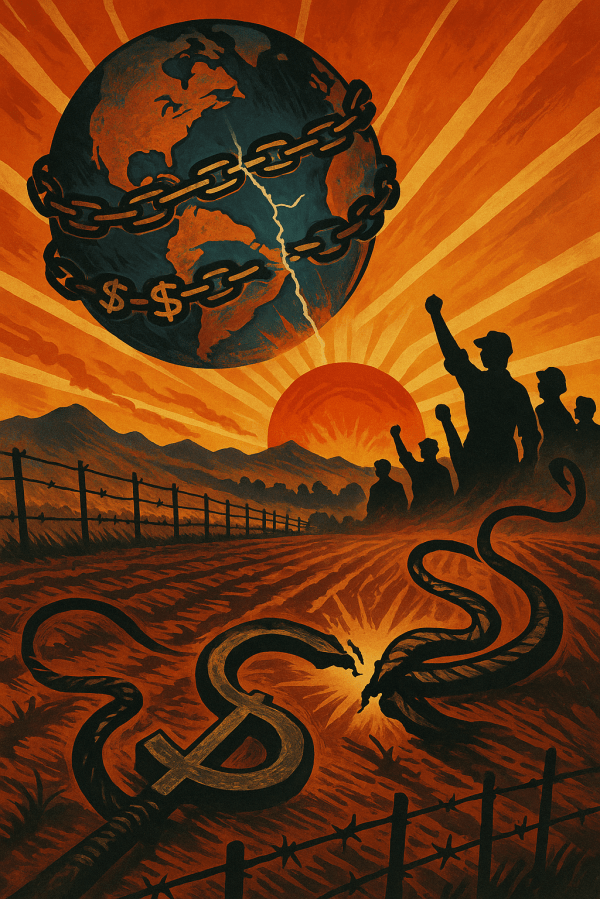
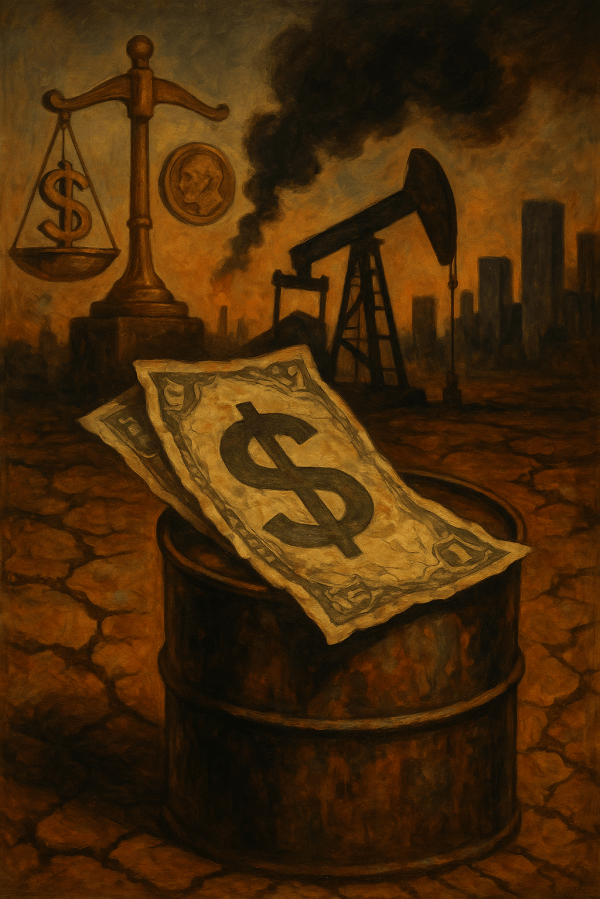
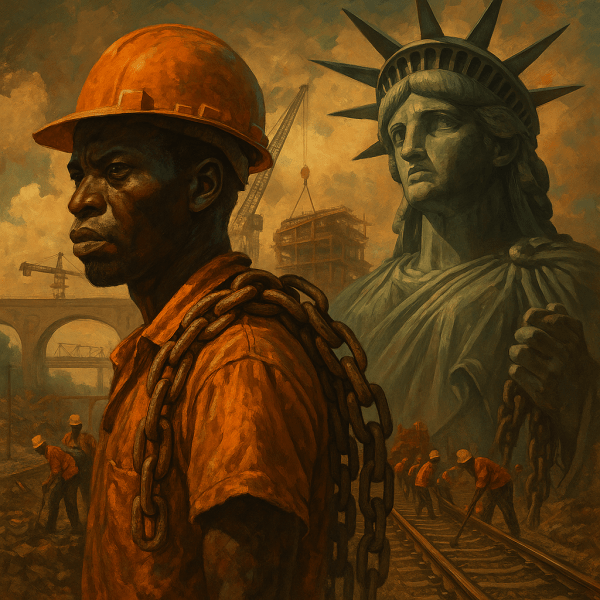
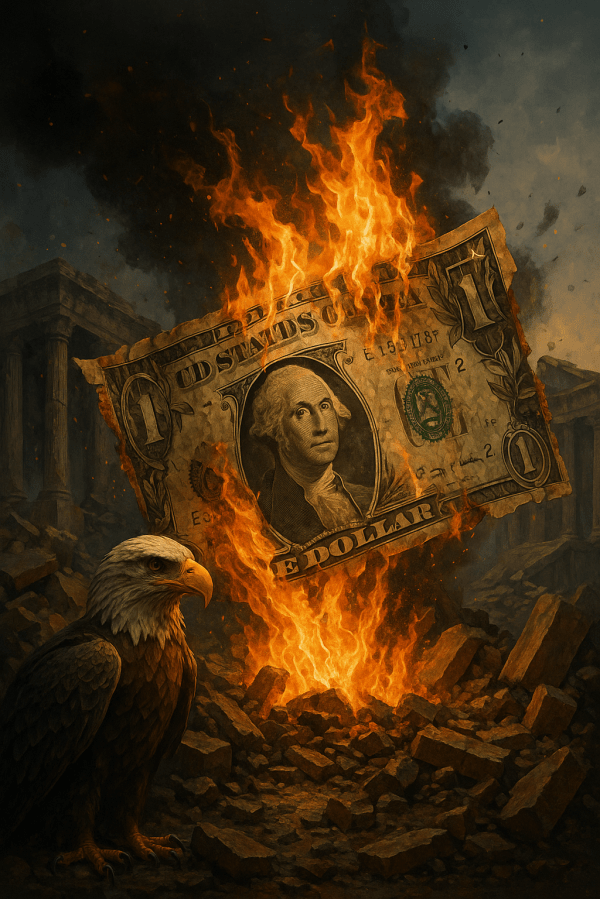
Michael Hudson's "Super Imperialism" reveals capitalism's peculiar twist: the U.S. transitioned from a great creditor to a dominant debtor, utilizing its debts as leverage in a world where power dynamics are shifting. Post-World War I, American financial institutions crafted a system that exploited other nations through debt, claiming to promote development while actually enforcing dependency. The contradiction lies in the U.S. controlling the world's currency even as its productive supremacy fades. As the global landscape evolves, the implications of dollar dominance become increasingly tenuous, demanding us to confront a crucial question—who ultimately commands the productive forces that money can influence but not generate?
Japan Can Shake the Dollar, but It Can’t Set the Rules: The Yen Inside the Dollar Machine
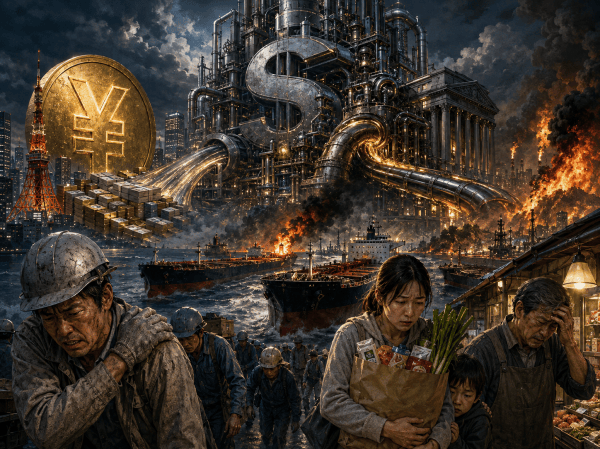
Reuters treats the yen’s violent swings as a market mystery, but the real story runs through the machinery of dollar-centered finance. Japan is a wealthy imperial-core creditor with enormous reserves and U.S. assets, yet its monetary choices remain constrained by U.S. rates, Treasury markets, imported energy, public debt, and capital flows. That dependence is reciprocal but unequal: Japanese instability can hurt Washington even as Tokyo adjusts inside a system it doesn’t command. And the costs travel downward. Workers win raises, then war-driven oil shocks, currency weakness, and inflation threaten to eat them away—turning monetary sovereignty into a class struggle over who pays.
The Collateral of Empire: Debt, Power, and the Future
America's staggering $81.9 trillion debt is more than just a number; it's a complex web of financial claims overshadowing the real economic landscape. The nation's ability to issue dollars grants it a unique power, allowing it to leverage future incomes to accommodate debt—while the average worker grapples with mortgages, credit cards, and student loans. This contradictory system—where public power fuels private finance—disguises the inequality at play. As lenders profit, households struggle, further entrenching societal divides. The U.S. isn’t just a massive debtor; it’s a realm where debt serves as both a lifeline and a constraint, revealing the capitalist dance between ownership and obligation.
The Whip and the Breaker: How the Yuan Challenges the Dollar’s Global Plantation
Empire built the dollar into a weapon and called it “the world economy.” Now, as China pries open new monetary space, the colonized world smells oxygen—and the old order smells smoke. By Prince Kapone | Weaponized Information | October 2025 The Article, the Illusion, and the Quiet Violence of “Neutral” Language On October 17, 2025,... Continue Reading →
Empire’s Empty Wallet: The Rise and Fall of Dollar Hegemony in the Multipolar Age
From Bretton Woods to BRICS+, how imperial finance built a global trap—and why the world is breaking free By Prince Kapone | Weaponized Information | July 10, 2025 The Dollar Didn’t Rise—It Was Forced on the World You ever notice how they always say the U.S. dollar “rose to power”? Like it was elected. Like... Continue Reading →
Brazil and Nigeria’s $1B Agro Deal: South–South Maneuver or Machinery of Capital?
A billion-dollar agreement to mechanize Nigerian agriculture may sidestep Western finance—but not capitalist extraction. The South is moving, negotiating, and resisting. The question is: who holds the tools, and who gets fed? By Prince Kapone | Weaponized Information | June 29, 2025 Development Without Context, Empire Without Name The Reuters piece titled "Nigeria and Brazil... Continue Reading →
Debt, Development, and Delinking in Zambia: China vs. the Empire
What the West calls “debt-trap diplomacy” is often a lifeline to sovereignty. The real debt trap was built in Washington—and it’s still claiming victims. Zambia shows us the difference between a loan that builds infrastructure and one that builds a prison.By Prince Kapone | Weaponized Information | June 27, 2025 I. Introduction: Zambia at the... Continue Reading →
Chains of Reform: How the IMF Turned Senegal’s Crisis into a Weapon
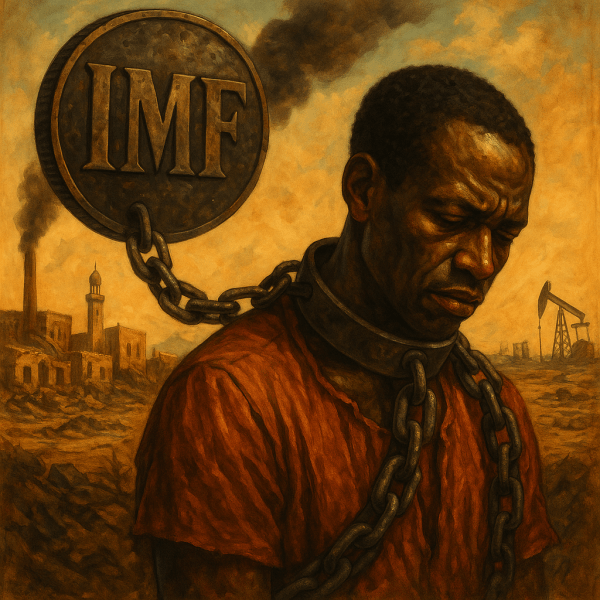
What they call “debt sustainability” is imperial sabotage by spreadsheet—colonial extraction repackaged as fiscal responsibility, and enforced through technofascist obedience.By Prince Kapone | Weaponized Information | June 25, 2025Polite Chains and Quiet Crimes: How Financial Journalism Launders Empire “Senegal’s Debt Burden Reaches Critical Threshold” isn’t just a report—it’s a weapon. Dressed up as economic commentary,... Continue Reading →
African Banks Join CIPS: Welding the Bars of Empire’s Financial Cage Shut From Within
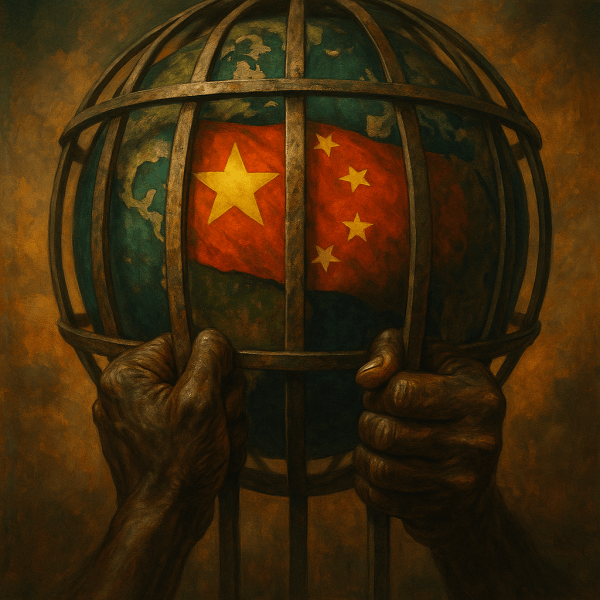
China’s payment network isn’t mimicking dollar supremacy—it’s rerouting the Global South’s escape from it. By Prine Kapone | Weaponized Information | June 23, 2025 The Exit Wound in the Dollar’s Armor The article under excavation, “China closes gap with U.S. as African countries, others join yuan payment system”, was published on June 22, 2025 by... Continue Reading →
Asia Is Breaking the Dollar’s Chains—And the Empire Is Losing Its Grip
De-dollarization isn’t a financial glitch—it’s a global revolt against empire’s economic leash. From Malaysia to China, the Global South is building the scaffolding of sovereignty while Wall Street watches its power bleed out. By Prince Kapone | Weaponized Information | June 12, 2025 I. The Dollar’s Funeral and the Media’s Panic On June 11, 2025,... Continue Reading →