A Weaponized Intellects Book Review of Robert W. Thurston’s Life and Terror in Stalin’s Russia, 1934–1941By Prince Kapone | Weaponized Intellects Book Review - October Revolution Series | November 22, 2025Entering the Battlefield of Soviet HistoryLet’s begin with a simple truth that Western academia has spent a century trying to bury: the meaning of the... Continue Reading →
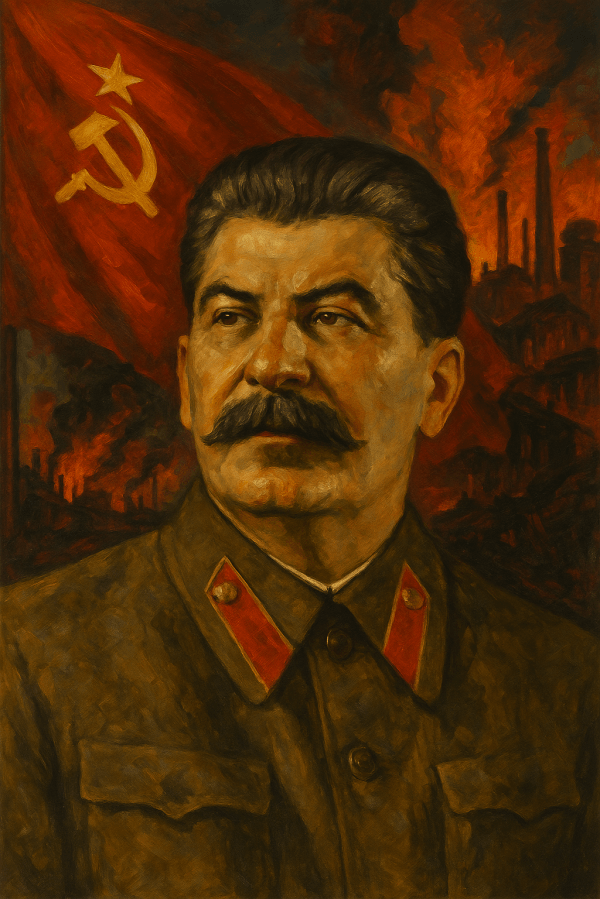
The Political Thought of Joseph Stalin: Europe’s Last Revolutionary or the First Post-Western Marxist?
A Weaponized Intellects review of Erik van Ree'sThe Political Thought of Joseph Stalin: A Study in Twentieth-Century Revolutionary Patriotism — exploring how van Ree’s attempt to reclaim Stalin for the Western tradition instead exposes the end of Europe’s monopoly on Marxism and the birth of a global, anti-imperialist modernity. By Prince Kapone | Weaponized Intellects... Continue Reading →
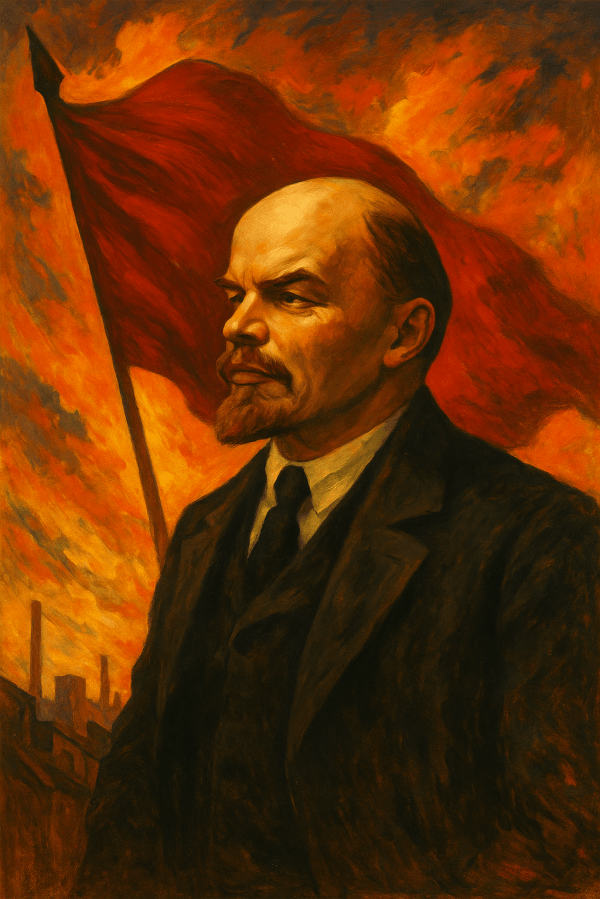
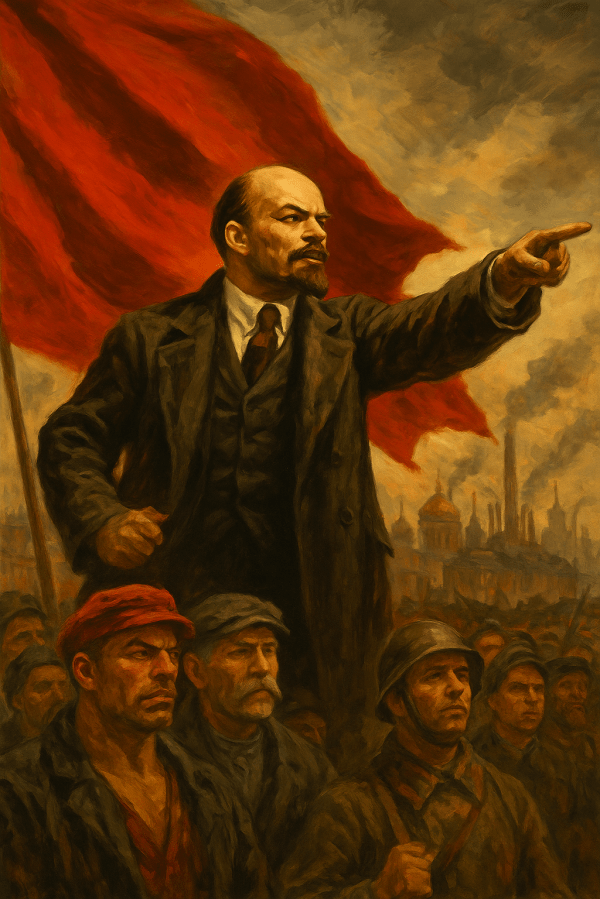
Lenin: The Immortal Science of Liberation
A revolutionary critique of David Shub’s Lenin: A Biography — exposing how even a hostile witness cannot conceal the brilliance of Lenin’s dialectical mind, his transformation of Marxism into a living science of revolution, and the continuity of his legacy through the socialist construction of the Soviet state. By Prince Kapone | Weaponized Intellects Book... Continue Reading →
October 1917: A Century Later — Samir Amin and the Return of the World Revolution
Samir Amin’s October 1917: Revolution, A Century Later is both a commemoration and a battle cry — a lucid Marxist-Leninist reflection on the world-historic rupture of 1917 and the unfinished struggle it ignited. Written in the twilight of the neoliberal era, the book reasserts the global and anti-imperialist meaning of the October Revolution, reminding us... Continue Reading →
The October Revolution: A Third World Reading by Walter Rodney
“Revisiting October through Walter Rodney’s Third World lens, this review dismantles Western Marxist fatalism and reclaims the Revolution as the weapon of the oppressed.” By Prince Kapone | Weaponized Information | Weaponized Intellects Book Review: October Revolution Series | October 25, 2025 October Is Not a Memory, It’s a MethodOne hundred and eight years after... Continue Reading →
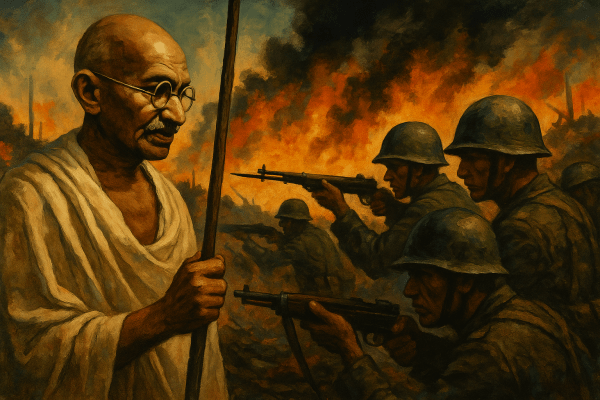
Pacifism and Power: Losurdo’s Dialectic of Non-Violence and Empire
How the gospel of peace became the moral language of empire—and why revolution must reclaim it from liberal hands. By Prince Kapone | Weaponized Intellects Book Review | October 2025 The Saints of Surrender They tell us that peace is sacred, that if we just bow our heads and love our enemies, the world will... Continue Reading →
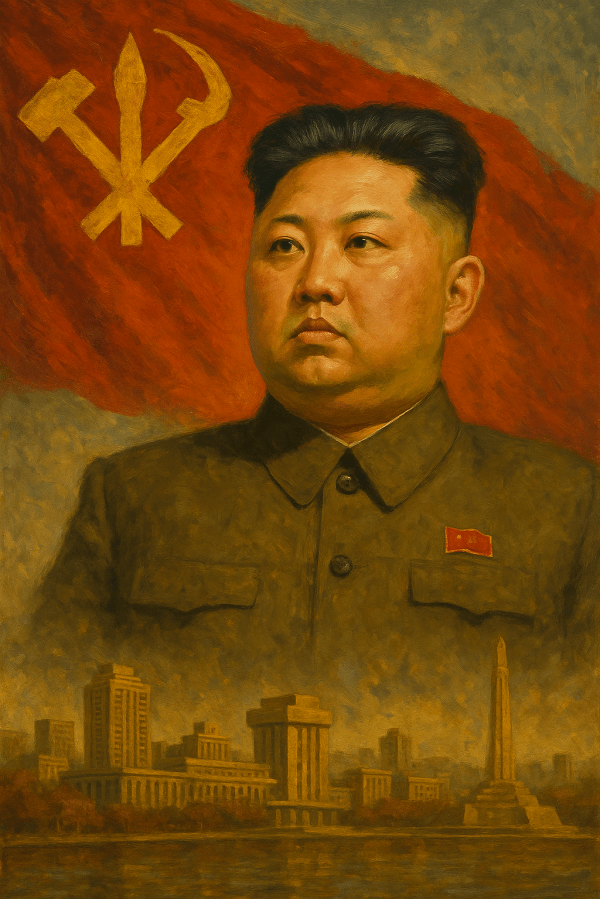
The Party That Wouldn’t Break: Kim Jong Un and the Dialectic of Socialist Permanence
At the 80th anniversary of the Workers’ Party of Korea, Kim Jong Un reasserts the moral and political grammar of a revolution that endures by self-correction, unity, and defiance—transforming siege into pedagogy, hardship into method, and permanence into proof of socialism’s vitality.By Prince Kapone | Weaponized Information | October 11, 2025Pyongyang, October 10 — The... Continue Reading →
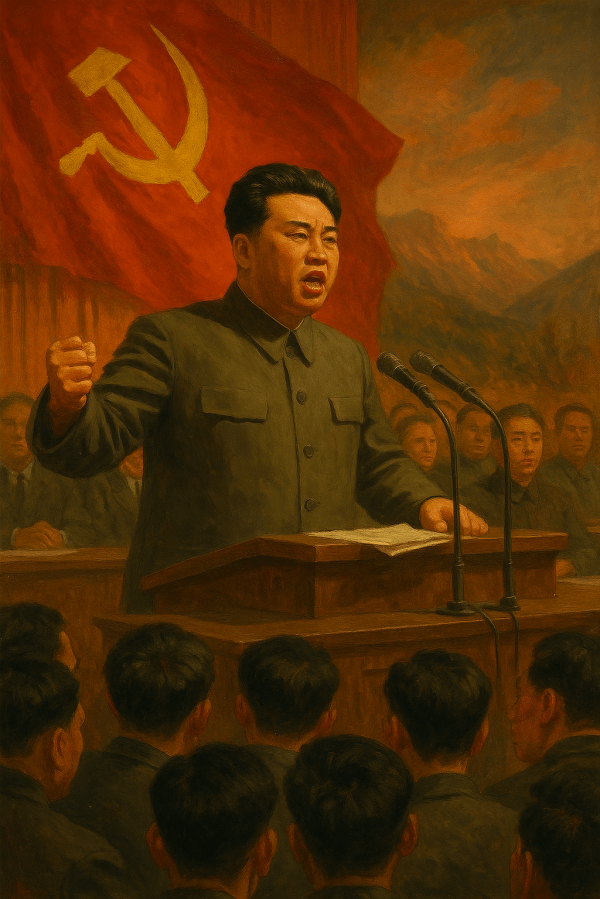
Revolution Is Not an Import: Kim Il Sung and the Struggle to Establish Juche
Weaponized Statesman Series | Kim Il Sung at Pyongyang, December 1955 In 1955, Kim Il Sung confronted a Party adrift in imitation. This was not a call for isolation, but a demand to root revolution in the lived experience of the Korean people. Juche, he argued, was not a slogan—it was a method of survival.... Continue Reading →
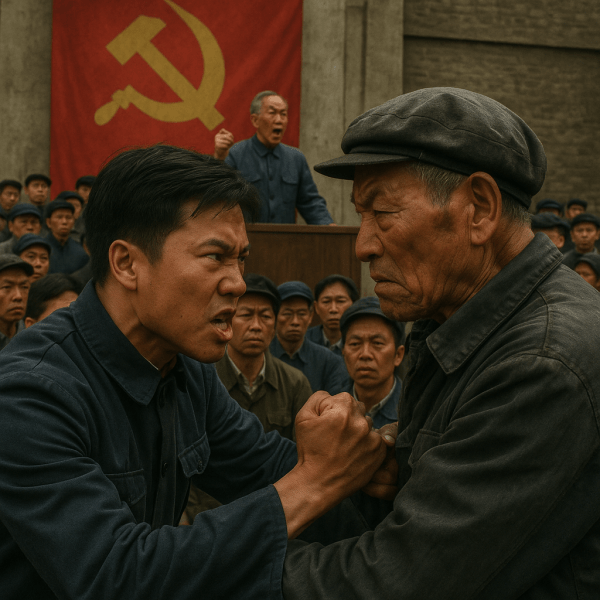
Revolution After Victory: Mao’s Sixty Points and the Struggle to Stay Red
In the wake of socialist victory, Mao sounded the alarm: triumph breeds complacency, and revolution demands method. His 1958 “Sixty Points” was not a plan—it was a weapon. A lesson in how to keep the revolution alive by transforming leadership, confronting contradiction, and placing politics in command. Weaponized Statesman Series | Mao in Nanning, 1958... Continue Reading →
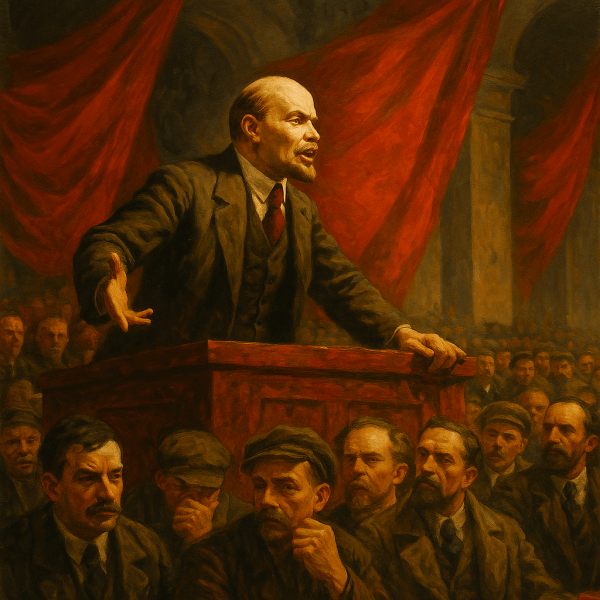
Credit Is Not Eternal: Lenin, the Peasant, and the Test of Revolutionary State Power
In 1922, with the fires of civil war fading and the hardships of famine and bureaucratic decay sharpening into focus, Lenin stood before the Eleventh Party Congress not to celebrate victory, but to sound an alarm. In his most unsparing speech, he turned the full force of revolutionary critique inward—against incompetence, against illusion, and against... Continue Reading →