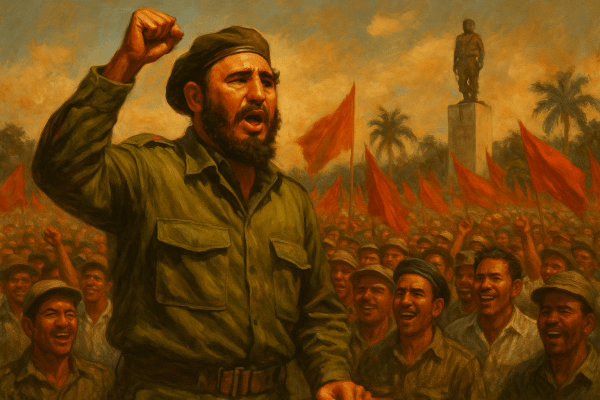
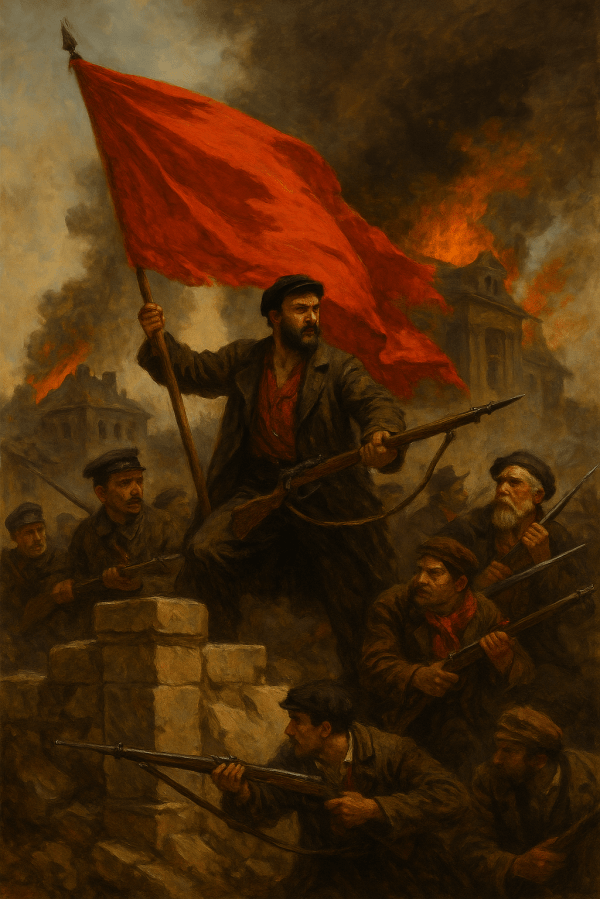
Weaponized Statecraft Series | In Commemoration of Fidel Castro's BirthdayBy Prince Kapone | Weaponized Information | August 13, 2025Revolution is Not a Spectacle—It is a Verdict“There is something that is not seen in cement or lumber or in stone, and that is what is built among the people, the education received by the people, the... Continue Reading →
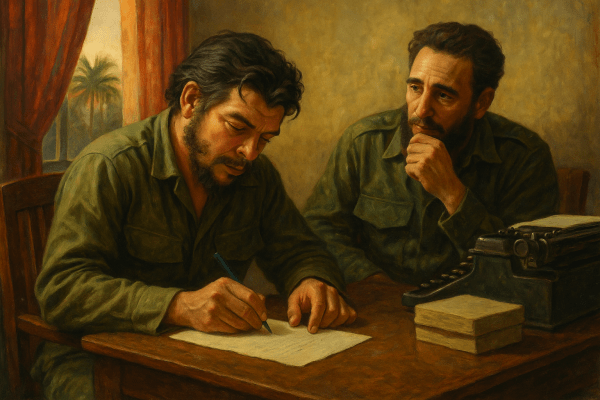
Che’s Other Farewell: Revolutionary Clarity in a Time of Transition
Weaponized Statesman Series | Che Guevara to Fidel Castro, Havana 1965Written in the crucible of revolutionary governance, Che Guevara’s March 1965 farewell letter to Fidel Castro is not a sentimental departure—it is a political intervention. In it, Che offers a piercing critique of Cuba’s early socialist development, grapples openly with the contradictions of economic planning... Continue Reading →
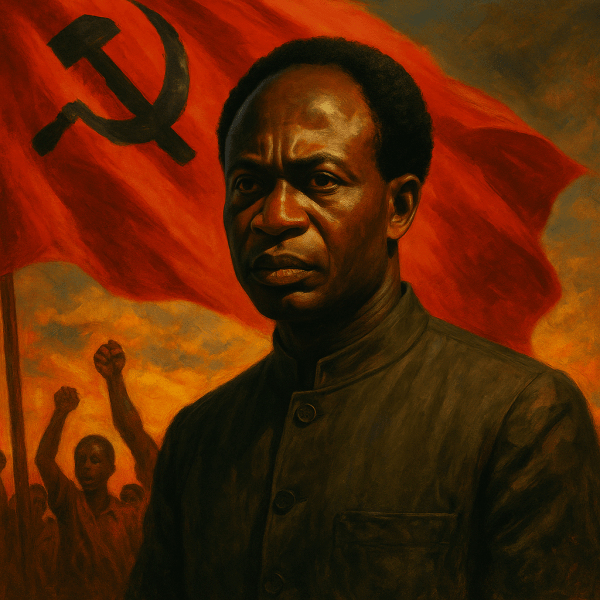
Unite or Perish: Kwame Nkrumah’s Final Warning to a Fragmented Africa
Weaponized Statesman Series | Kwame Nkrumah at Addis Ababa, 1963Only African unity—political, economic, and military—can overthrow the neocolonial regime. Nkrumah saw the future. The question is whether we’re ready to fight for it.By Prince Kapone | Weaponized Information | July 25, 2025Unite or Perish: The Mandate of a Revolutionary Moment“No sporadic act nor pious resolution... Continue Reading →
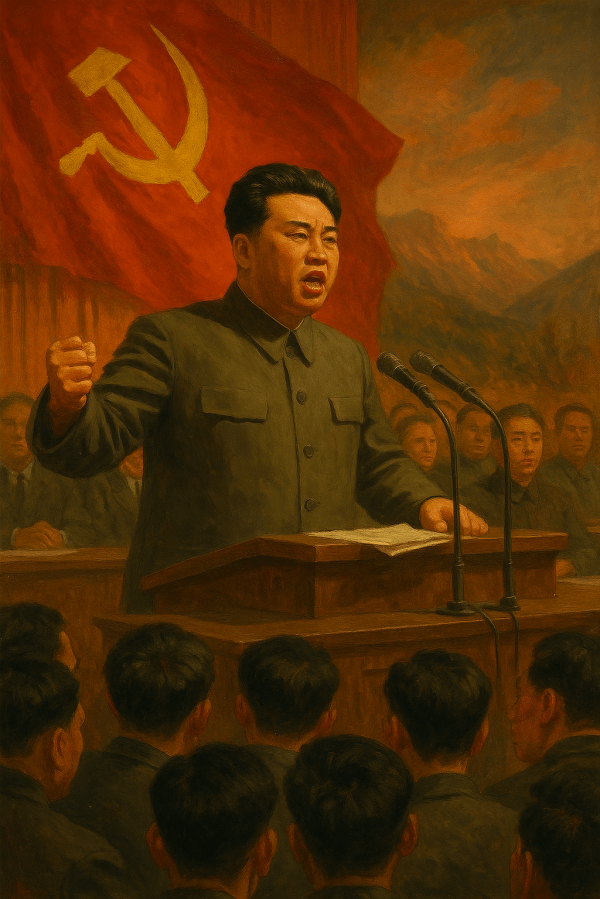
Revolution Is Not an Import: Kim Il Sung and the Struggle to Establish Juche
Weaponized Statesman Series | Kim Il Sung at Pyongyang, December 1955 In 1955, Kim Il Sung confronted a Party adrift in imitation. This was not a call for isolation, but a demand to root revolution in the lived experience of the Korean people. Juche, he argued, was not a slogan—it was a method of survival.... Continue Reading →
Revolution After Victory: Mao’s Sixty Points and the Struggle to Stay Red
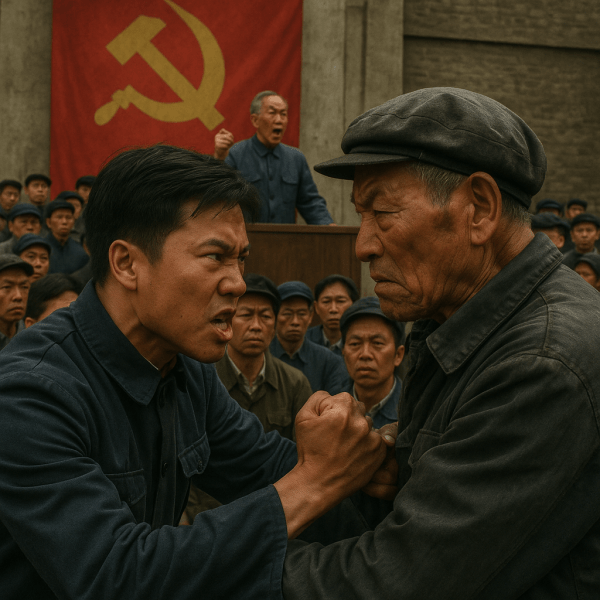
In the wake of socialist victory, Mao sounded the alarm: triumph breeds complacency, and revolution demands method. His 1958 “Sixty Points” was not a plan—it was a weapon. A lesson in how to keep the revolution alive by transforming leadership, confronting contradiction, and placing politics in command. Weaponized Statesman Series | Mao in Nanning, 1958... Continue Reading →
Discipline in the Ashes: Stalin, Famine, and the First Breath of Socialist Construction
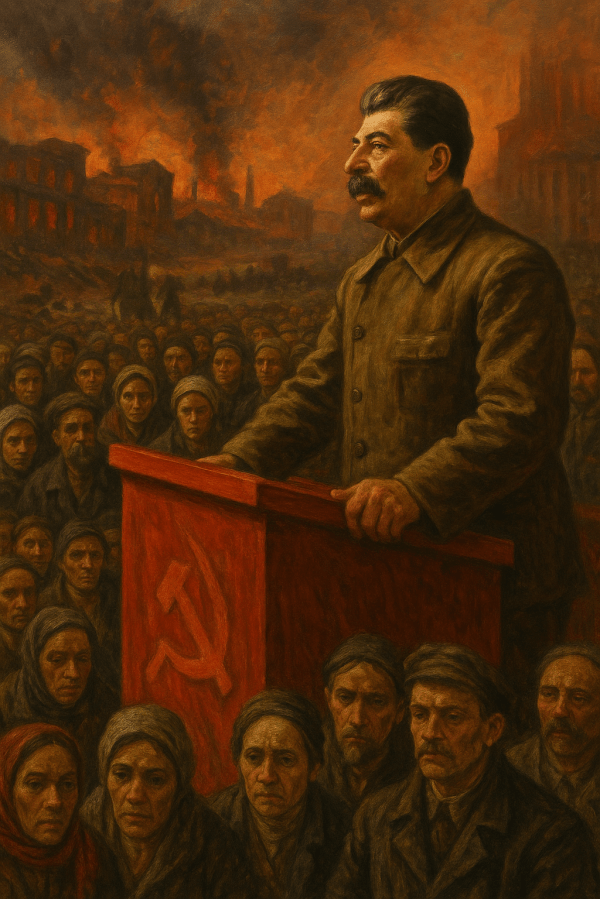
🟥 Discipline in the Ashes: Stalin, Famine, and the First Breath of Socialist Construction In the aftermath of imperialist invasion and civil war, Stalin’s address to the Eleventh Congress in 1922 was not a celebration of victory, but a warning against illusion. Standing amid starvation, disillusionment, and creeping bureaucratism, he issued a challenge to the... Continue Reading →
Credit Is Not Eternal: Lenin, the Peasant, and the Test of Revolutionary State Power
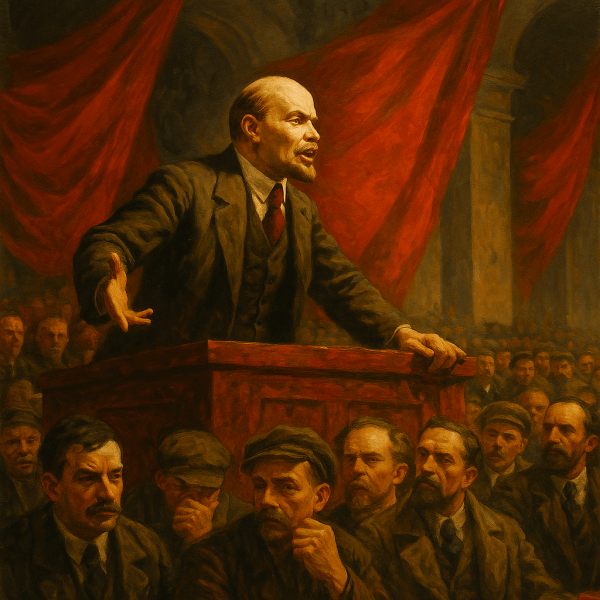
In 1922, with the fires of civil war fading and the hardships of famine and bureaucratic decay sharpening into focus, Lenin stood before the Eleventh Party Congress not to celebrate victory, but to sound an alarm. In his most unsparing speech, he turned the full force of revolutionary critique inward—against incompetence, against illusion, and against... Continue Reading →
Pick Up The Rifle: Engels, the Commune, and the Unforgiving Science of Revolution
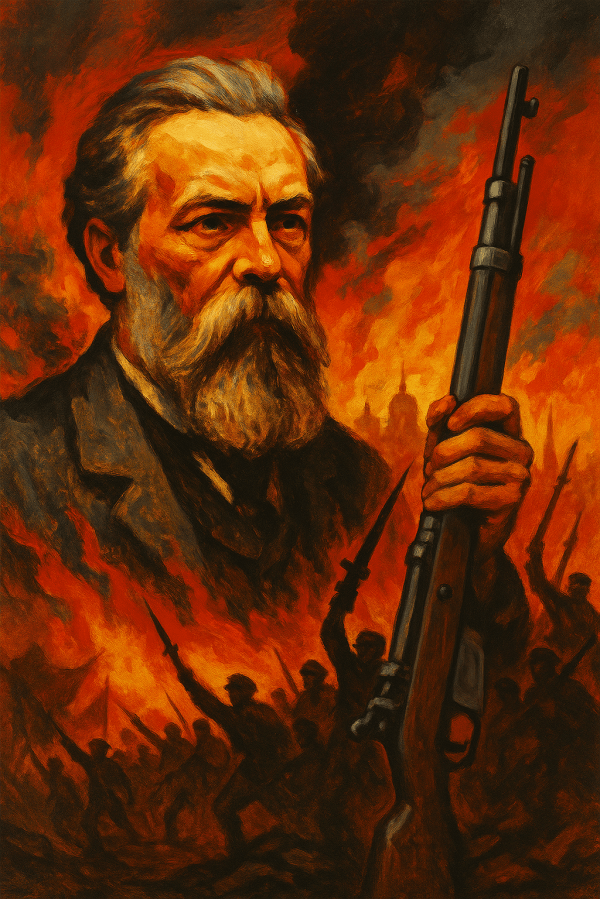
In his 1891 Introduction to The Civil War in France, Frederick Engels reloaded the most dangerous weapon the working class has ever forged: the truth that the state must be smashed, not reformed. Drawing on the blood-soaked memory of the Paris Commune, Engels warned that the dictatorship of the proletariat is not a slogan but... Continue Reading →
Storming Heaven: Karl Marx, the Paris Commune, and the Birth of Proletarian Statecraft
In The Civil War in France, Karl Marx did not romanticize revolution—he studied it, dissected it, and returned its lessons to the working class as weapons. From the smashing of the bourgeois state to the early contours of the dictatorship of the proletariat, the Paris Commune revealed the shape of worker power in embryo. This... Continue Reading →