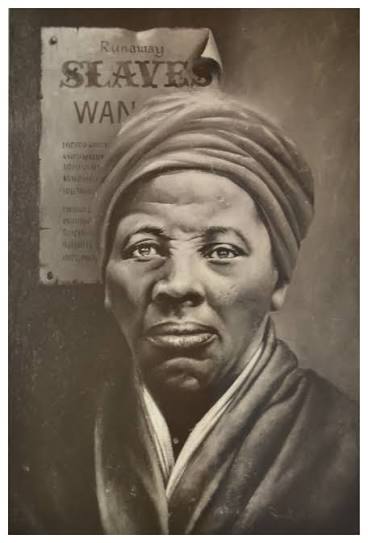
Harriet Tubman did not merely flee bondage; she attacked the economic foundations of slavery by organizing collective escape, disrupting the immobilization of Black labor, and later striking directly at Confederate infrastructure in war. Emerging from a regime that depended on the total control of Black women’s bodies, she transformed from exploited worker into disciplined strategist,... Continue Reading →
Growth Without Development: How Capitalism Produces Abundance, Manufactures Poverty, and Calls It Progress
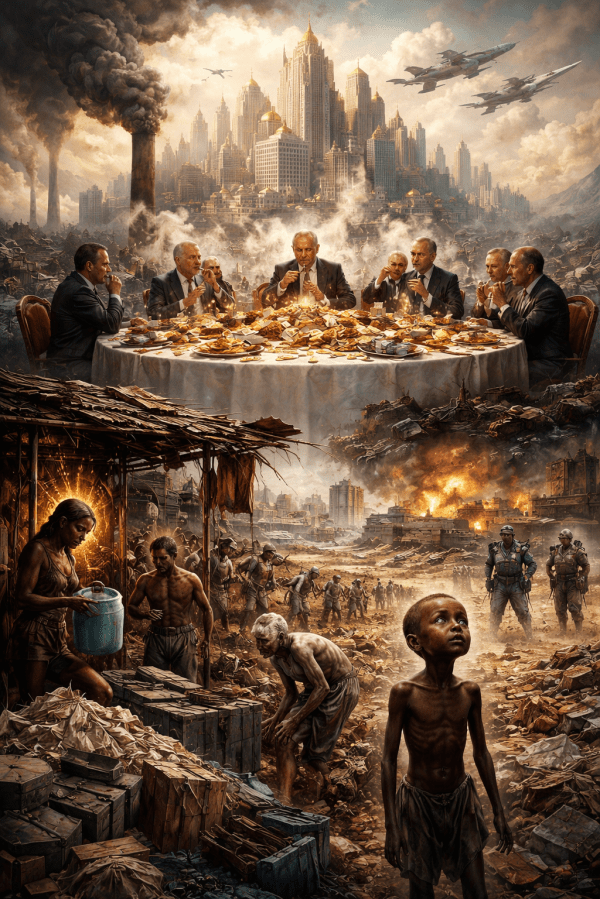
In The Political Economy of Growth, Paul A. Baran dismantles the myth that growth is neutral or benevolent, exposing it as a class project rooted in surplus extraction and imperial power. He shows how monopoly capitalism turns productivity into waste and development into stagnation, both at home and across the colonized world. Against liberal economics... Continue Reading →
Fred Hampton and the Revolutionary Meaning of Solidarity
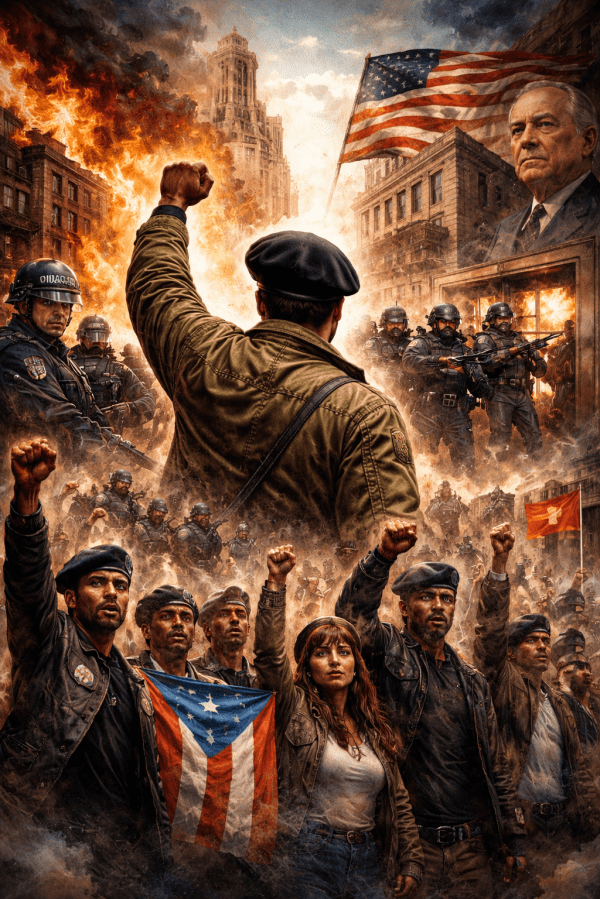
Chicago is shown here not as a northern refuge of progress, but as what it actually was and remains: an internal colony where segregation, poverty, and police occupation shaped Fred Hampton into a revolutionary Marxist with no illusions about the system he was up against. From those conditions came a politics willing to go where... Continue Reading →
Trump, Bannon, and the Quiet Militarization of the Ballot
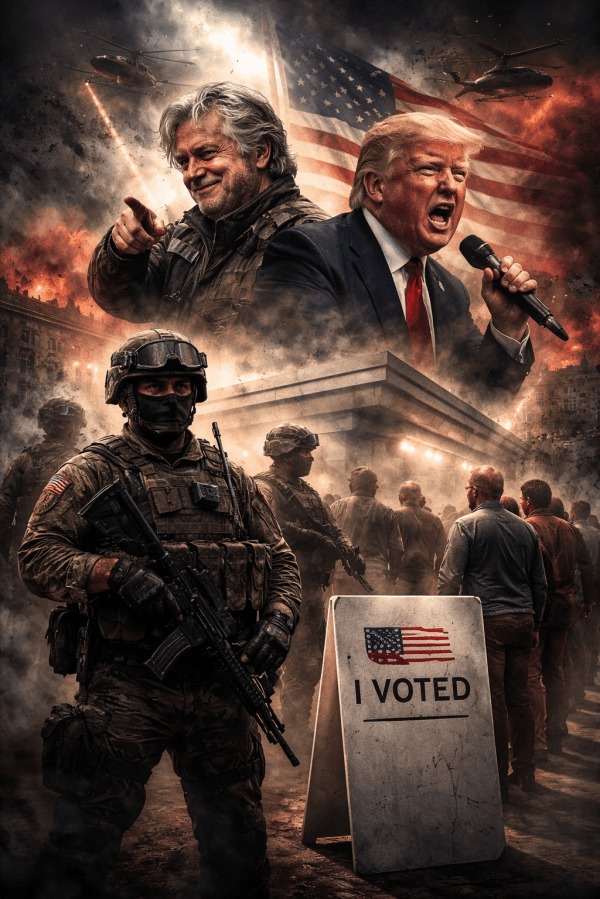
A media spectacle reframes intimidation as mere rhetoric. Administrative power is already reorganizing elections from above. Imperial crisis turns participation into a security problem. Political space is defended only through organization from below. By: Prince Kapone | Weaponized Information | February 6, 2026How the Press Turns a Threat Into “Just Talk” The article under excavation,... Continue Reading →
Mutulu Shakur and the Crime of Healing Under Empire
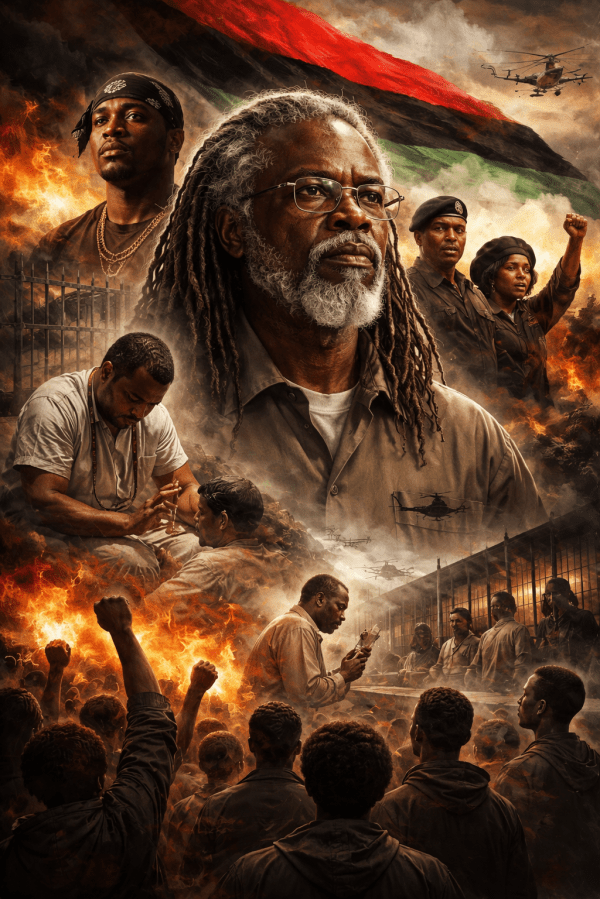
A New Afrikan revolutionary whose life fused care with struggle. A political prisoner held not for what he did, but for what he represented. A case study in how the U.S. state disciplines liberation through time, cages, and memory. His legacy forces a question the system cannot answer: what happens when the oppressed organize to... Continue Reading →
Tunis Campbell and the Black Republic That White Power Destroyed
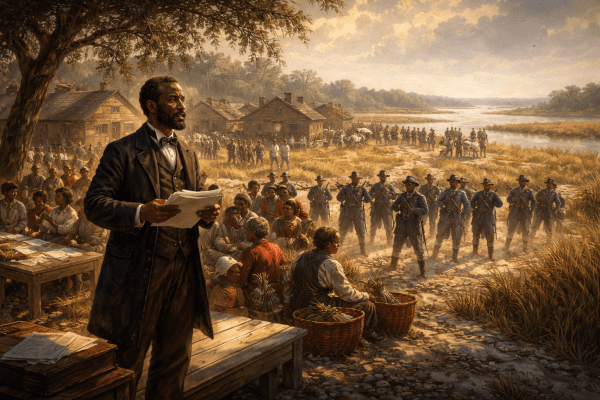
Born free in a slave republic, Campbell became an architect of Black self-rule after emancipation. On Georgia’s Sea Islands, freedpeople built land-based democracy before federal power restored white property. Rising to state leadership, he was criminalized as Reconstruction turned into counterrevolution. His life reveals Reconstruction as an unfinished revolution over land, labor, and power. Prince... Continue Reading →
Washington Calls It “Partnership” While Vietnam Calls It Survival: How Empire Pathologizes the Memory of War
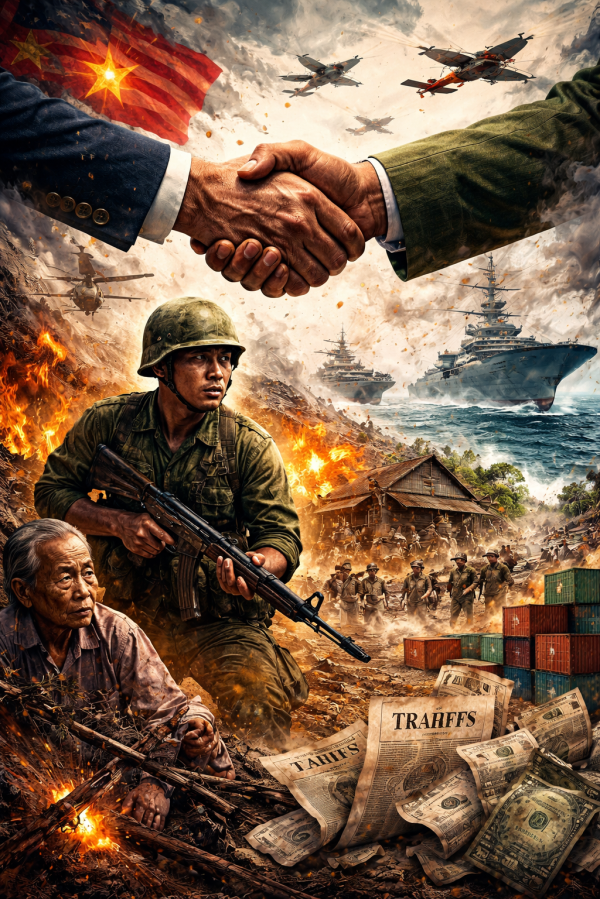
Corporate media reframes a nation’s hard-earned vigilance as psychological insecurity, quietly teaching readers to distrust the survival instincts of a people who have already endured invasion and annihilation. The buried history of bombardment, chemical warfare, and economic leverage resurfaces to show that Hanoi’s caution grows from lived material reality, not ideological stubbornness. Behind the language... Continue Reading →
Callie House and the First Mass Reparations Movement in U.S. History
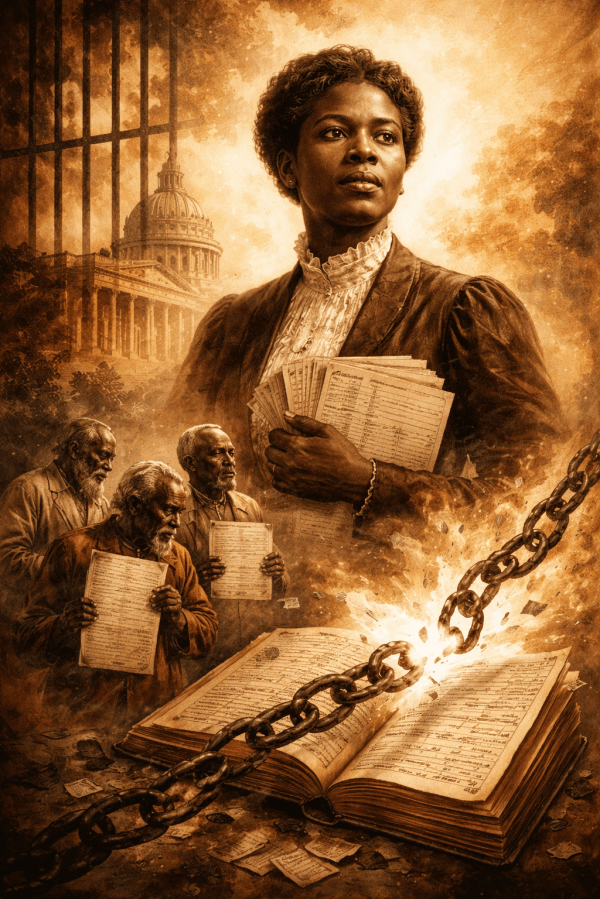
A formerly enslaved woman who helped turn memory of bondage into a national economic claim. Her movement proved reparations was a working-class demand for stolen labor, not a plea for charity. The federal government criminalized her because compensation threatened the racial economic order. Her legacy links Black liberation to the broader struggle over wealth, power,... Continue Reading →
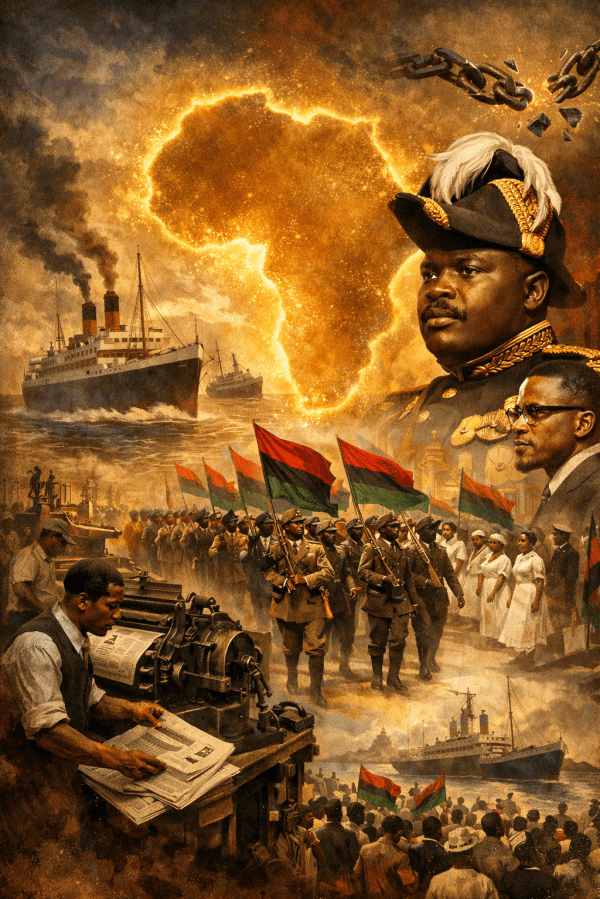
Marcus Garvey and the First Global Black Mass Movement
He turned a scattered people into a political community with a shared destiny. He transformed Black pride from sentiment into organized power. His movement terrified empire because it operated beyond white control. His legacy still shapes Black radical and internationalist struggle today. Prince Kapone | Weaponized Information | Black History Matters Series | February 2,... Continue Reading →
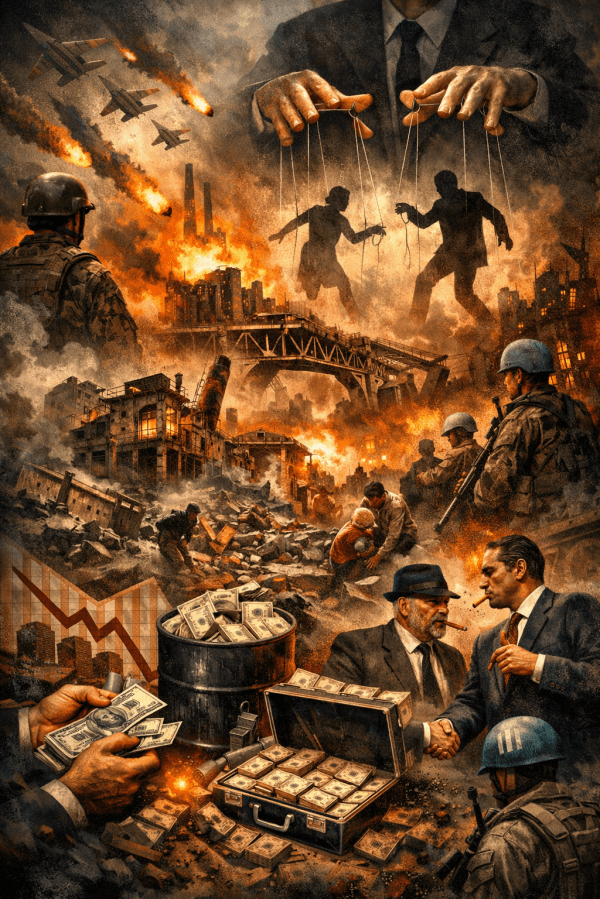
How to Kill a Nation: Michael Parenti and the Imperial Instruction Manual — Humanitarian War, Economic Siege, and the Machinery of Regime Destruction
This review reads Michael Parenti’s To Kill a Nation as a field manual for modern empire, tracing how Yugoslavia was destroyed not by accident or ancient hatred but through a disciplined sequence of epistemological warfare, economic siege, political fragmentation, demonization, humanitarian pretext, and infrastructural annihilation, culminating in privatization, permanent dependency, and historical amnesia. By following... Continue Reading →