✝️ From the Cross to the Throne: A Weaponized Information Series
How empire hijacked a gospel of the poor—and how the oppressed kept it alive. Explore the full series below:
The Pauline Intervention – From Revolutionary Memory to Theological Empire
By Weaponized Information
The Man Who Repackaged the Revolution
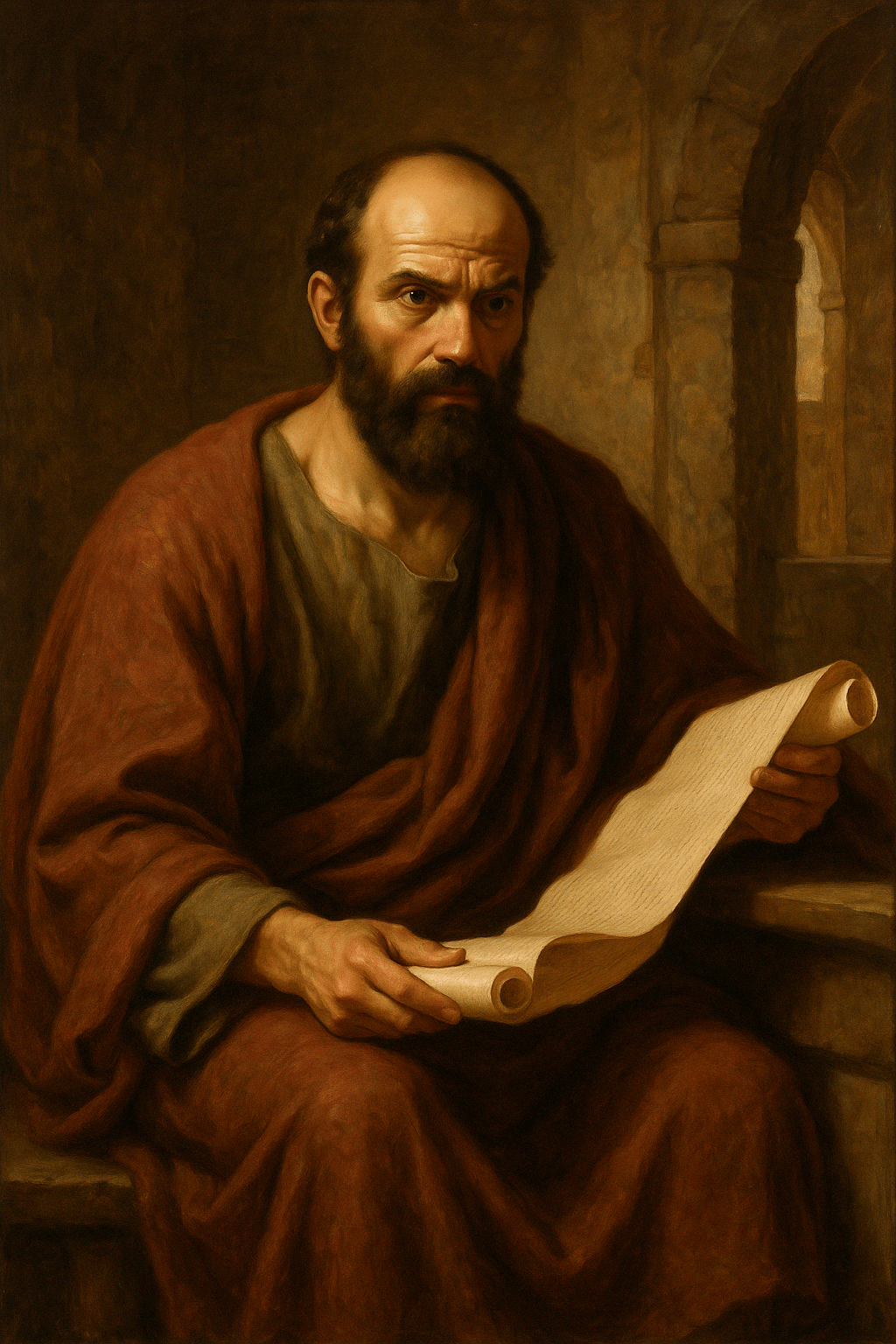
Paul didn’t walk with Jesus. He wasn’t there when the bread was broken, when the temple was flipped, or when the nails went in. He came later—after the dust had settled, after the state had murdered the rebel and the poor had scattered. Paul didn’t inherit the movement. He reinvented it.
And what he built—brilliant, strategic, expansive—was not the same as what Jesus lived and died for. It was something new. Something the empire could learn to tolerate.
This is the story of how Paul helped turn a revolutionary memory into a theological machine.
I. Paul the Outsider: From Roman Enforcer to Gospel Architect
Saul of Tarsus wasn’t just some guy on the margins. He was a Roman citizen. A Pharisee. Educated. Elite. He started his career hunting down Jesus’ followers like dogs. Then, according to legend, he got knocked off his high horse on the road to Damascus and came back preaching the gospel of the very man his people had helped kill.
To many, this was a miracle. To others, it was the beginning of a detour.
Paul never met Jesus in the flesh. His only vision was metaphysical. And it showed. His Jesus was no longer the poor man from Nazareth calling for the redistribution of wealth. Paul’s Christ was cosmic, abstract—a divine figure who saved souls, not societies.
II. From Bread to Belief: How Paul Reframed the Gospel
Where Jesus said “sell what you have and give to the poor,” Paul said “believe in your heart and you will be saved” (Romans 10:9). Where the early church shared everything in common (Acts 4:32–35), Paul urged order, doctrine, and endurance under existing authorities (Romans 13:1).
Paul didn’t dismantle empire. He gave people a way to survive within it.
His gospel was faith over works. Spirit over flesh. Heaven over history.
That made it portable. It made it flexible. It also made it safe. Because a gospel that requires no material redistribution, no confrontation with power, no overturning of tables—is a gospel the rich can live with.
III. Trouble in the Ranks: Paul vs. the Jerusalem Church
The original apostles—James, Peter, and the rest—had a different vision. They knew Jesus personally. They built the first church in Jerusalem around solidarity, not salvation. They still kept Jewish customs, they lived communally, and they broke bread like it meant something.
Paul shows up preaching a different gospel. Gentiles don’t need to follow Jewish law, he says. Circumcision? Outdated. Dietary codes? Optional. What matters is grace, not practice.
This caused a rupture. In Galatians 2, Paul admits to confronting Peter to his face. It wasn’t just about theology—it was about control. Paul was building a new movement that no longer needed the community that birthed it.
He didn’t just spread the gospel. He rebranded it.
IV. Laying the Foundation for Clerical Power
Paul didn’t stop at theology. He laid out the infrastructure of what would become the institutional church.
He appointed elders, instructed churches on discipline, and laid the groundwork for authority systems. His letters introduced early prototypes of bishops, deacons, and pastoral hierarchies (Titus 1, 1 Timothy 3).
Where the Jerusalem Church was horizontal, Paul introduced verticality. Where Jesus washed feet, Paul drew lines of obedience.
He didn’t build the cathedral. But he drew the blueprints.
V. Submission as Strategy: Paul’s Ethics of Empire
Paul knew how to survive empire—and that meant compromise. In his letters we see something Jesus never preached: submission to existing power.
“Let every person be subject to the governing authorities.”
—Romans 13:1
“Slaves, obey your masters.”
—Ephesians 6:5
“Wives, submit to your husbands.”
—Colossians 3:18
This isn’t liberation theology. This is adaptation theology. Paul taught people how to live under the boot. Jesus taught them how to take the boot off.
Paul’s ethics made Christianity legible to Roman patriarchy. It could now enter households, blend into customs, coexist with the state. The radical became respectable. The memory became manageable.
VI. Paul’s Legacy: Between Resistance and Empire
Let’s be clear. Paul was no Constantine. He didn’t baptize empire. But he did take the raw, dangerous gospel of Jesus and render it into a theological system that could be exported, institutionalized, and—eventually—weaponized.
He helped Christianity survive. But survival came at a cost.
The emphasis on belief over practice, the shift from collective economics to personal morality, the tolerance of hierarchy—these were not neutral evolutions. They were strategic adjustments under pressure. But they cracked open the door for what came next.
Because Constantine didn’t invent Christian empire. He inherited the scaffolding.
The Cross Becomes a System
Paul was a builder. He built bridges across cultures. He built churches across continents. But he also built the bridge between Jesus and Caesar.
And that’s the contradiction we must sit with: Paul kept the gospel alive, but in doing so, made it something Jesus might not have recognized.
If Jesus flipped tables, Paul folded napkins. If Jesus said “blessed are the poor,” Paul said “be content with your station.” If Jesus broke bread to build a movement, Paul blessed wine to build a theology.
The Pauline intervention was not the end of the gospel—but it was the beginning of the church’s long journey from resistance to religion.
 Weaponized Information
Leave a comment