✝️ From the Cross to the Throne: A Weaponized Information Series
How empire hijacked a gospel of the poor—and how the oppressed kept it alive. Explore the full series below:
Beneath the Cross, Behind the Throne: How Empire Hijacked a Revolution
By Prince Kapone, Weaponized Information
Christianity Was Never Meant to Be This
The Christianity we know today—with its gold-plated crosses, tax-exempt cathedrals, and clergy rubbing shoulders with presidents—didn’t fall from heaven. It was built. And like most things built under empire, it was stolen, rebranded, and sold back to the very people it was meant to liberate.
Before the bishops and bank accounts, Christianity was a revolutionary movement of the poor. It was birthed in the ghettos of Roman-occupied Palestine, in fishing villages and leper colonies, among the debtors, prisoners, and prostitutes. But the gospel that emerged there—a gospel of shared bread, overturned tables, and solidarity with the wretched—was too dangerous to be left alone. So the empire baptized it in blood and law, and turned it into what we now call a religion.
I. Jesus vs. Empire: The Real Gospel
Jesus of Nazareth wasn’t a seminarian dreaming up doctrine. He was a poor man organizing the poor. He preached in the streets, healed without charge, and refused to legitimize the authorities who tried to trap him. His message was blunt: the kingdom of God belongs to the poor. The rich will be sent away empty. The mighty will fall.
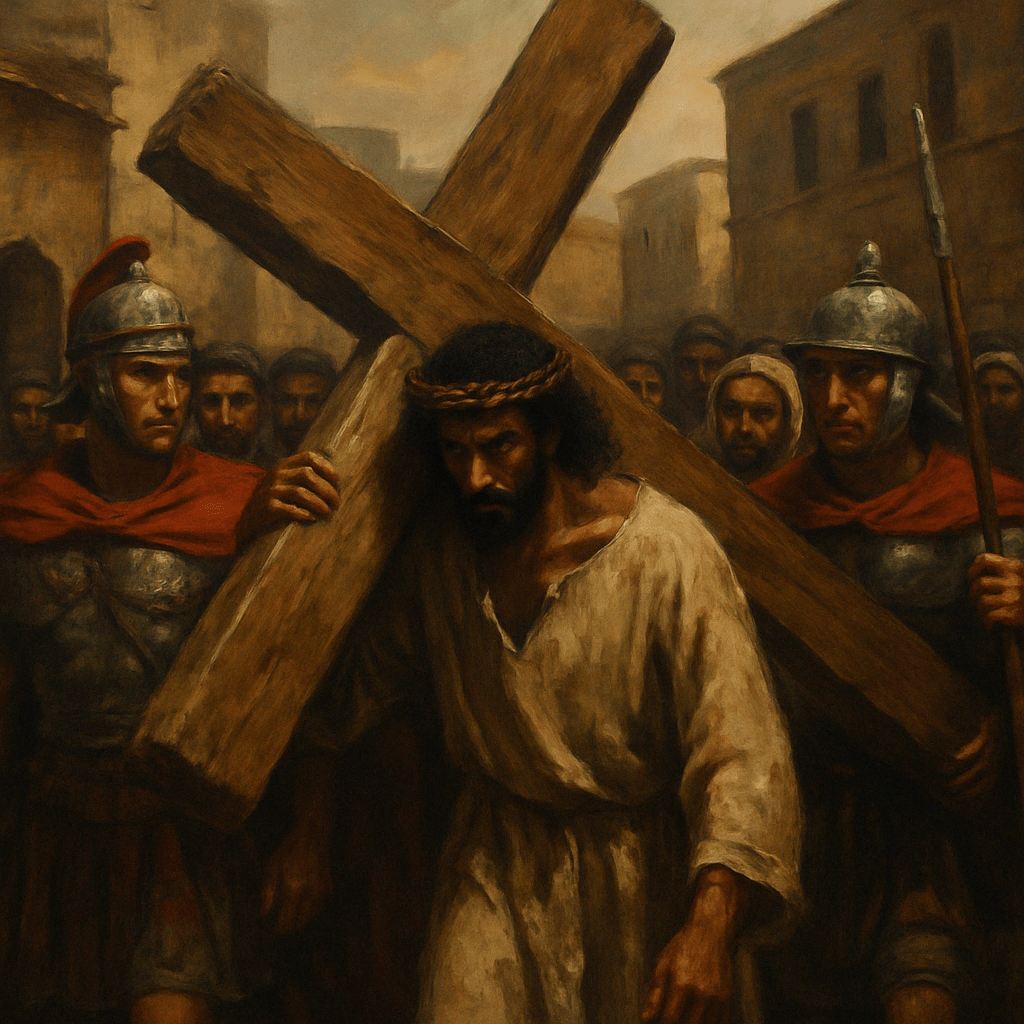
He wasn’t executed for metaphysical claims. He was executed because he disrupted the logic of empire. The Romans didn’t crucify people for being nice. They crucified rebels, organizers, threats. The cross was not a symbol of salvation—it was state-sponsored terror.
“The Spirit of the Lord is upon me… he has anointed me to proclaim good news to the poor… to set the oppressed free.”
—Luke 4:18
That wasn’t a metaphor. That was an indictment. And it’s why they killed him.
II. How the Gospel Survived—And Got Repackaged
After Jesus was executed, his movement should have died with him. But it didn’t. The people kept it alive—especially the women and the poor who had followed him the whole way. They gathered in homes, broke bread in his memory, and built a community around shared life, not dogma.
But survival under empire always comes at a price. As the movement grew, it faced new pressures: persecution, cooptation, and the slow creep of compromise. Enter Paul. Paul expanded the reach of the movement, but also reoriented its message. He moved the emphasis from how Jesus lived to what his death meant. From practice to belief. From material solidarity to spiritual salvation.
The gospel that once threatened empire now began to be palatable to it. Paul didn’t sell out the revolution, but he made it easier for others to do so later.
III. Constantine: When the Empire Got Baptized
In 313 CE, Emperor Constantine made Christianity legal. Not because he found Jesus—but because Christianity had become too big to kill and too useful to ignore. A state in crisis needs legitimacy. And nothing grants legitimacy like divine sanction.
The Council of Nicaea didn’t just define doctrine—it silenced dissent. The bishops became imperial administrators. The cross—once a warning to rebels—became a badge of conquest. Jesus the radical was replaced with Christ the emperor’s mascot.
The poor man from Galilee who flipped tables was now depicted on golden coins, blessing warlords and blessing empire. The church, once a refuge for the dispossessed, became an extension of the throne.
IV. Two Churches: The Official and the Forgotten
From Constantine on, there were two Christianities. One was official: sanctioned, hierarchical, and aligned with state power. This version blessed armies, crowned monarchs, and colonized continents in the name of the Prince of Peace.
The other church lived underground. In slave quarters. In resistance camps. Among the colonized and the hungry. It remembered the old gospel—the one with broken bread and broken chains. The one that didn’t bless Caesar, but buried him.
Next: The Church Before Christianity
In Part 2, we go back to the roots—to the first church that rose up after Jesus’ death. Before Paul’s letters. Before Constantine’s sword. Before doctrine and empire turned revolution into religion. We ask: what did the early community actually believe? How did they live? And why has their memory been buried beneath gold and incense?
This isn’t just history. It’s an act of recovery. The gospel isn’t dead—it’s just been buried. Let’s dig it up.
 Weaponized Information
Leave a comment