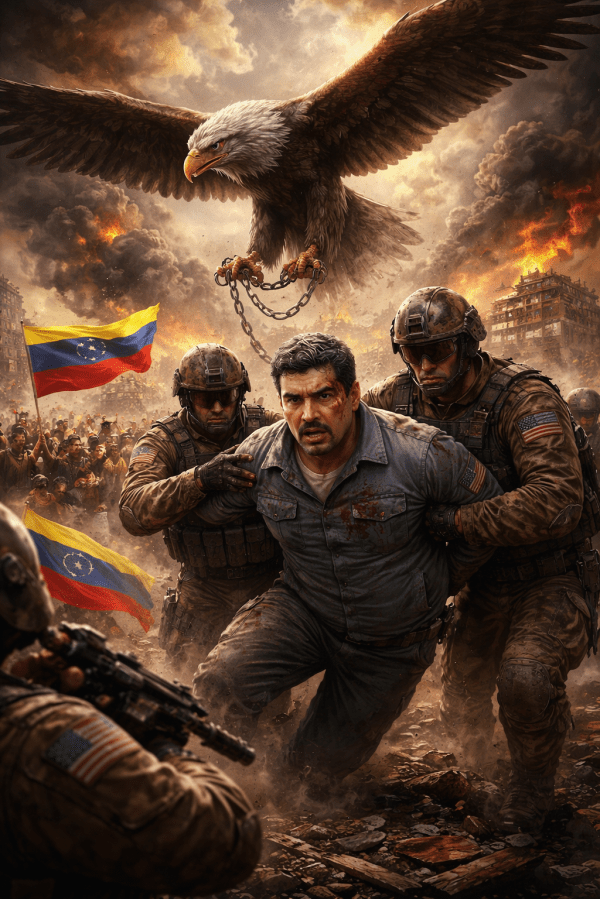
In his January 6, 2026 article in Socialist Worker, Alex Callinicos condemns the U.S. seizure of Venezuela’s president as a brutal assertion of hemispheric dominance, while simultaneously advancing a line that blames the Bolivarian process itself for its vulnerability. This essay takes Callinicos’ argument seriously—and then dismantles it—showing how a rhetoric of anti-imperialism can reproduce... Continue Reading →
Socialism Under Siege: Civil War, Degeneration, and the Fight to Keep Power in the Hands of the Masses
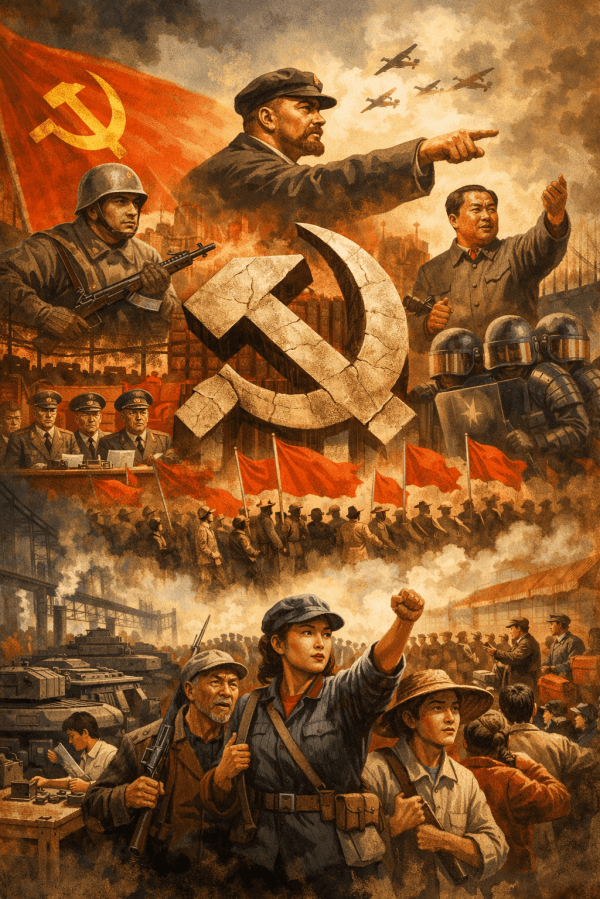
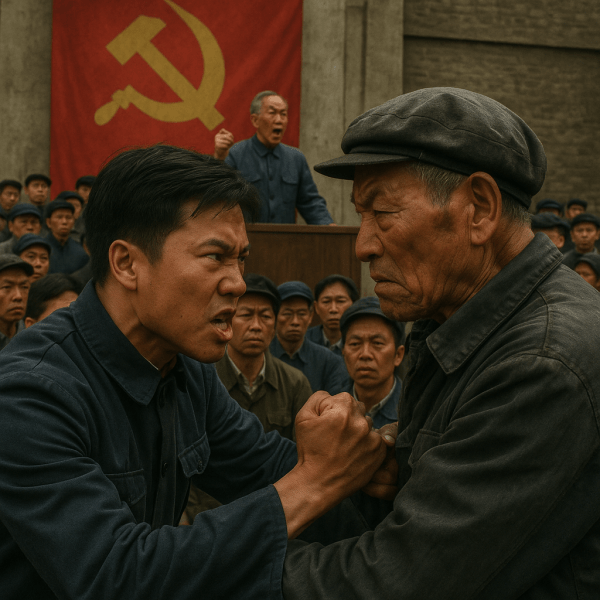
Socialism has never developed in peace. Forced to build under permanent imperial encirclement, every revolution has faced the same central contradiction: how to defend power without allowing administration to replace politics and coercion to substitute for mass legitimacy. Tracing this struggle from 1917 through Mao and into post-Mao China, this essay argues that siege is... Continue Reading →
Hold the Line: Listen Hard, Rectify Fast, Stay Red
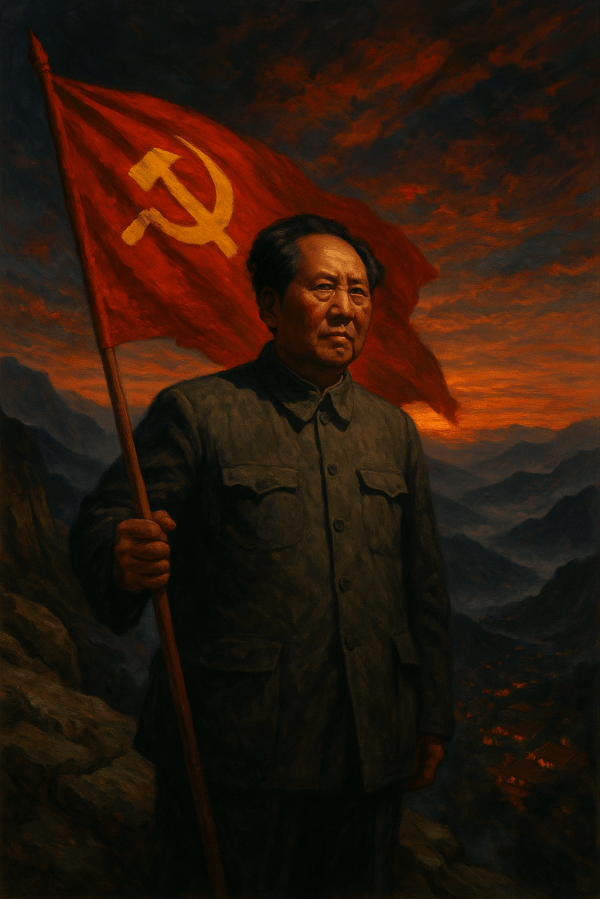
Weaponized Statecraft Series | Mao at Lushan, 1959 In the storm of the Great Leap’s setbacks, Mao did not fold—he listened. At Lushan he turned mistakes into lessons, errors into curriculum, and criticism into a method of survival. He named two illnesses—touchiness and wavering—and prescribed two remedies: endurance and rectification. He defended the communes, corrected... Continue Reading →
Mao at Chengtu: Fighting Brain Rot, Forging Creative Revolution
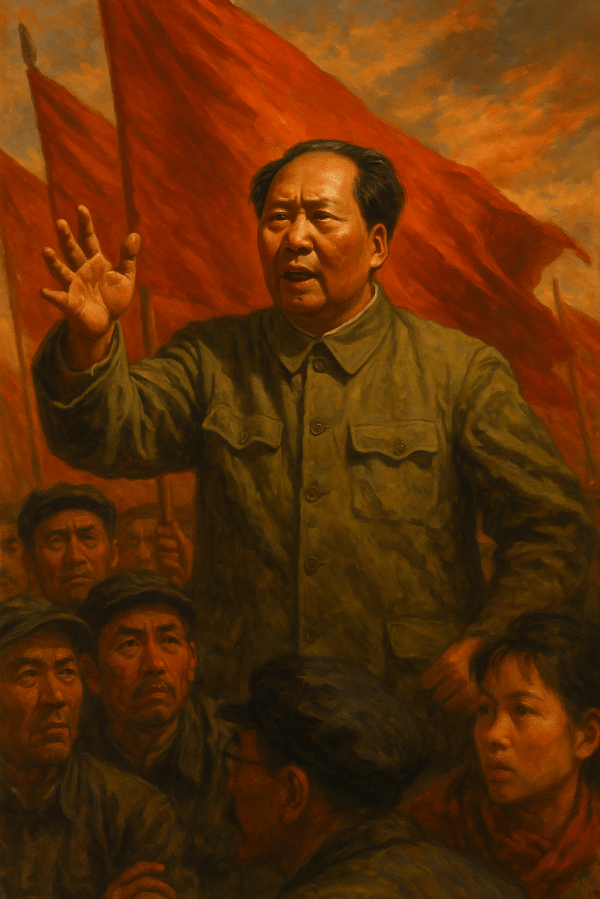
In March 1958, weeks after issuing his Sixty Points on Working Methods in Nanning, Mao gathered Party leaders at Chengtu. If Nanning warned against bureaucratic drift in the wake of victory, Chengtu waged ideological war against dogmatism, empty boasting, and the paralysis of thought. Here Mao demanded investigation over imitation, mass critique over silence, and... Continue Reading →
Revolution After Victory: Mao’s Sixty Points and the Struggle to Stay Red
In the wake of socialist victory, Mao sounded the alarm: triumph breeds complacency, and revolution demands method. His 1958 “Sixty Points” was not a plan—it was a weapon. A lesson in how to keep the revolution alive by transforming leadership, confronting contradiction, and placing politics in command. Weaponized Statesman Series | Mao in Nanning, 1958... Continue Reading →