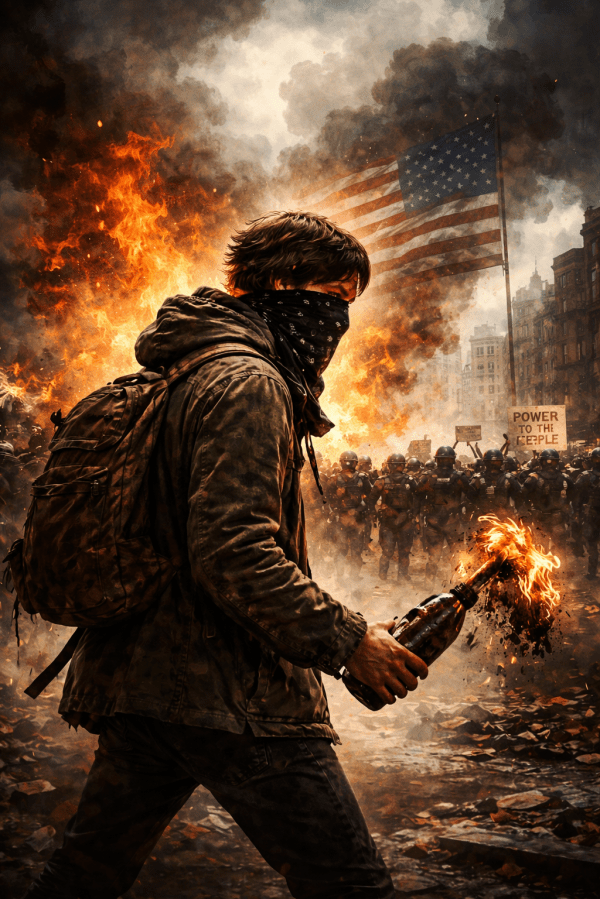
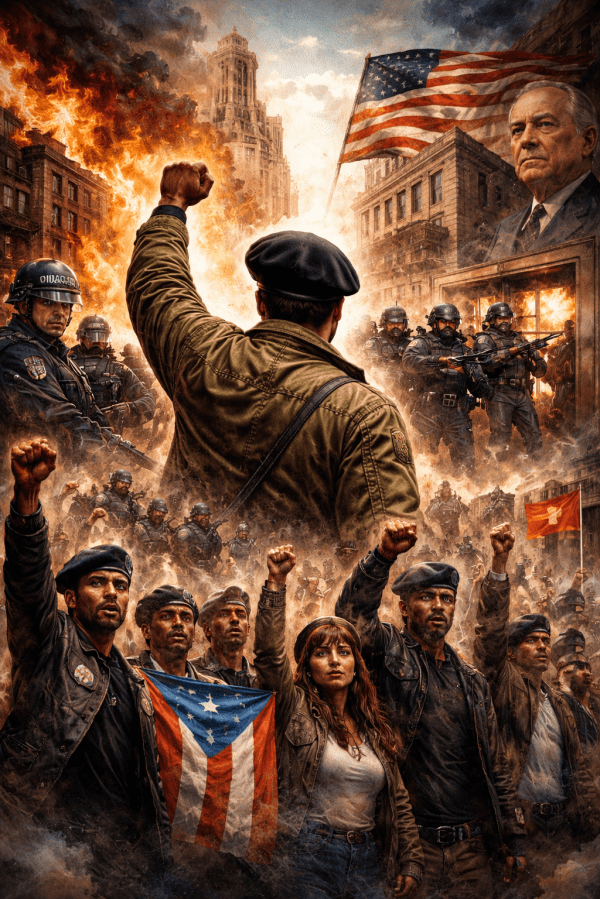
A liberal memoir transforms a history of anti-imperialist rebellion into a story of family inheritance, masking the structural realities of empire and repression. Beneath that narrative lies a system defined by imperial war abroad and counterinsurgency at home, where dissent is managed, surveilled, and neutralized. The Weather Underground emerged from this contradiction, but its turn... Continue Reading →
The Colonial Architecture of Class: How Race Was Engineered to Divide Labor and Stabilize Empire
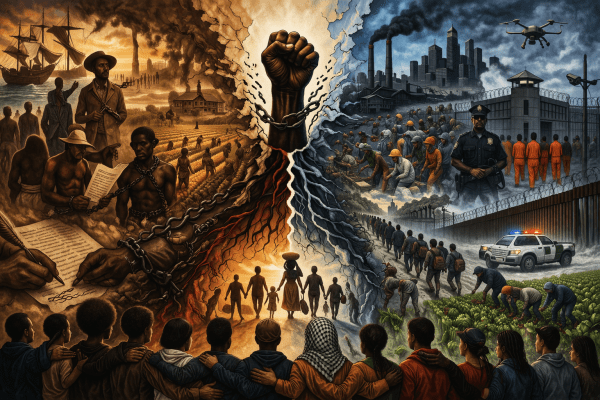
What masquerades as a race-class conflict in America is merely the internal workings of empire. By tracing the evolution of labor relations, it becomes clear that racial divisions are structural, not superficial nuisances. This overlapping oppression demands a unified, revolutionary response, dispelling false dichotomies to reveal a singular system demanding collective action.
AP Reports the Crime, Not the Consequence: How Empire Acknowledges Slavery While Defending Its Spoils
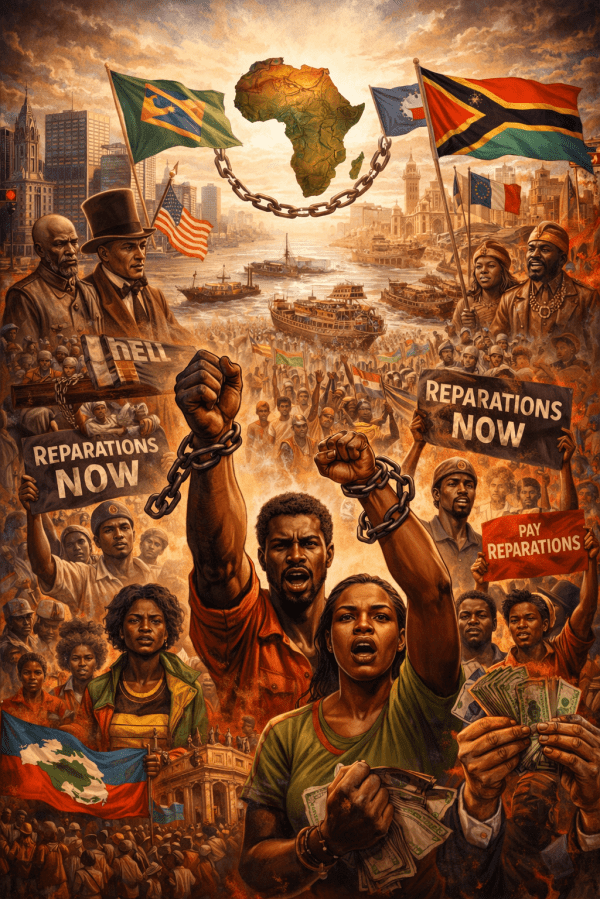
The Associated Press presents the UN resolution as a moment of moral recognition, but its reliance on official voices and diplomatic language reveals how power narrates history without disturbing itself. The material record shows that slavery’s wealth still structures the present, and that organized reparations movements—from Africa to the Caribbean to grassroots struggles—are confronting that... Continue Reading →
Bernal vs. The Aryan Machine: How European Empire Whitened Greece and Called It Civilization
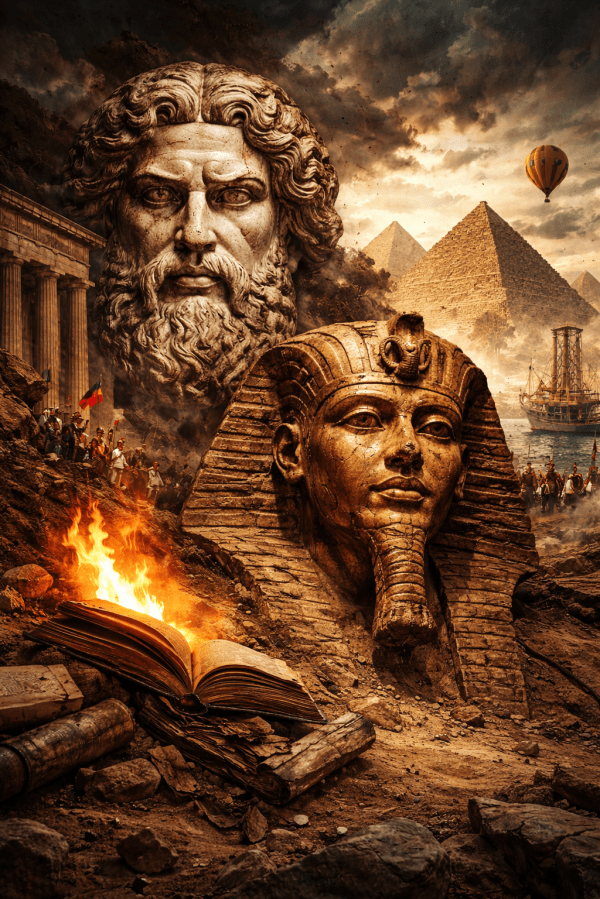
In this Weaponized Intellects book review of Black Athena (Vol. 1), we follow Martin Bernal’s argument that Greece was cut off from its Afroasiatic roots at the very moment Europe was rising to imperial power. We trace how the Ancient Model of Mediterranean entanglement was pushed aside and replaced by the Aryan Model, then cemented... Continue Reading →
White Guilt or White Pride? The False Choice That Preserves Empire
“White guilt” shrinks a global system of power into a private mood. Liberal confession mourns history while preserving the machinery of dominance. Reactionary pride weaponizes heritage to harden bloc discipline under multipolar pressure. Beyond shame and nostalgia lies defection from empire and alignment with global liberation.By Prince Kapone | Weaponized Information | February 20, 2026History... Continue Reading →
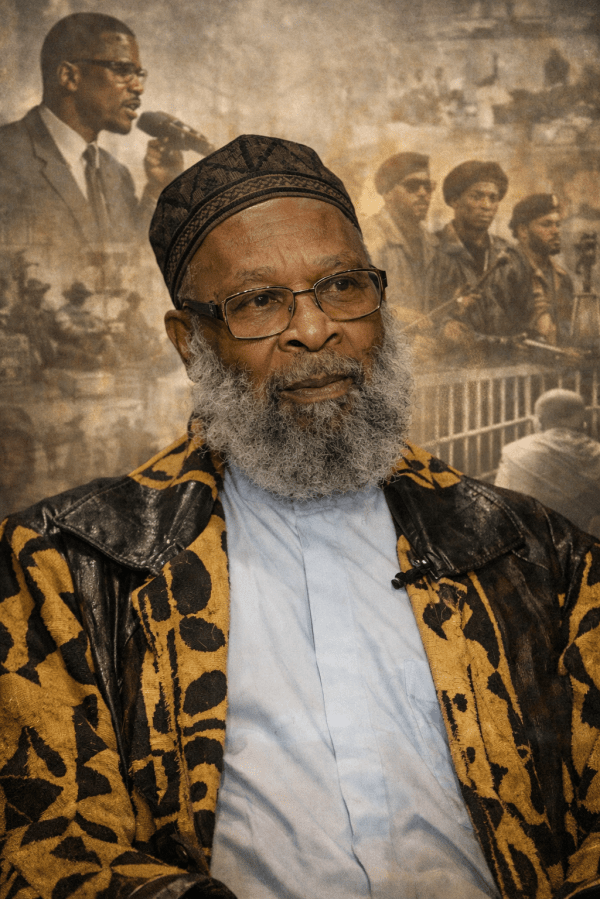
Empire vs. Sekou Odinga: Counterinsurgency, Community Power, and the War for Black Liberation (1944–2024)
Jamaica, Queens forged a revolutionary in the shadow of Malcolm X. The Black Panther Party built dual power — and the state answered with disruption. Underground struggle met federal conspiracy and thirty-three years of captivity. Elderhood returned him to a new generation still facing the same empire. By Prince Kapone | Weaponized Information | Black... Continue Reading →
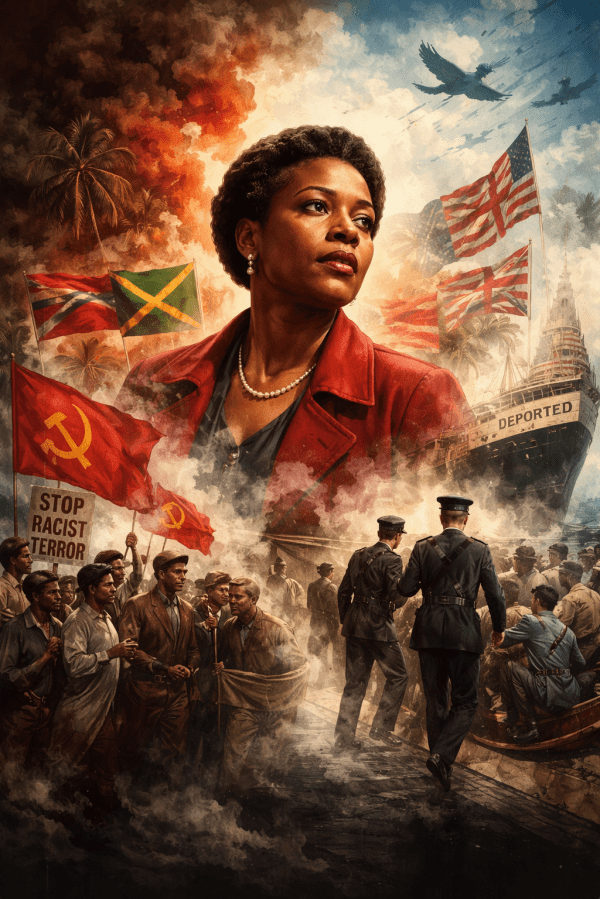
Claudia Jones vs. Empire: Black Communism, White Supremacy, and the War on the Most Exploited
The daughter of Caribbean labor radicalism enters the furnace of U.S. racial capitalism. The Communist Party becomes a battlefield over race, class, and the super-exploitation of Black women. McCarthyism criminalizes Black internationalism and deports a revolutionary. Exile in Britain transforms repression into new insurgent possibility. By Prince Kapone | Weaponized Information | Black History Matters... Continue Reading →
Fred Hampton and the Revolutionary Meaning of Solidarity
Chicago is shown here not as a northern refuge of progress, but as what it actually was and remains: an internal colony where segregation, poverty, and police occupation shaped Fred Hampton into a revolutionary Marxist with no illusions about the system he was up against. From those conditions came a politics willing to go where... Continue Reading →
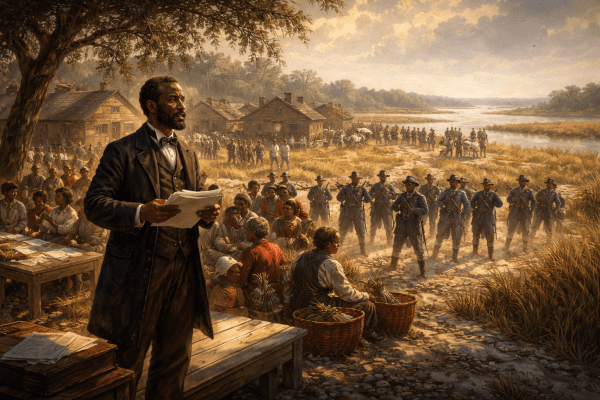
Tunis Campbell and the Black Republic That White Power Destroyed
Born free in a slave republic, Campbell became an architect of Black self-rule after emancipation. On Georgia’s Sea Islands, freedpeople built land-based democracy before federal power restored white property. Rising to state leadership, he was criminalized as Reconstruction turned into counterrevolution. His life reveals Reconstruction as an unfinished revolution over land, labor, and power. Prince... Continue Reading →
Callie House and the First Mass Reparations Movement in U.S. History
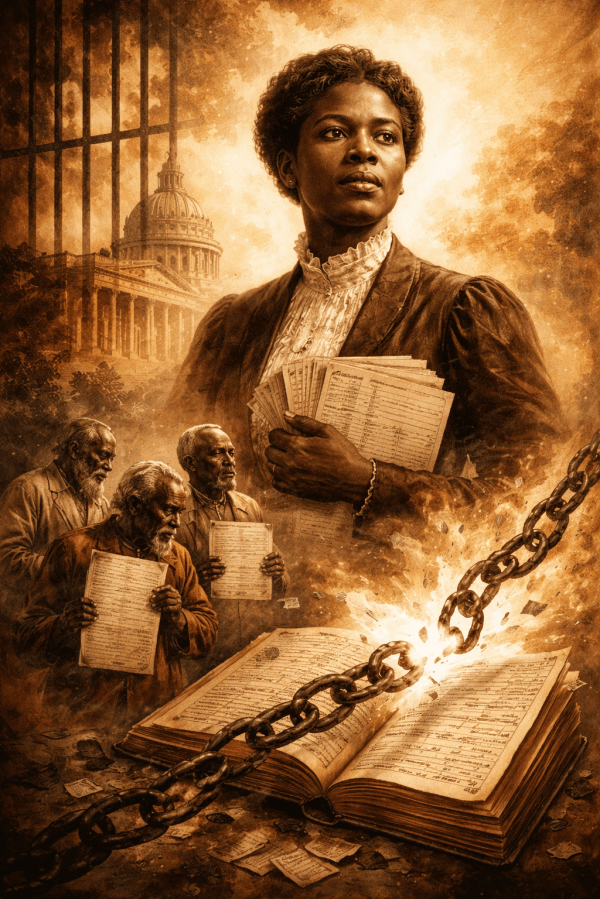
A formerly enslaved woman who helped turn memory of bondage into a national economic claim. Her movement proved reparations was a working-class demand for stolen labor, not a plea for charity. The federal government criminalized her because compensation threatened the racial economic order. Her legacy links Black liberation to the broader struggle over wealth, power,... Continue Reading →