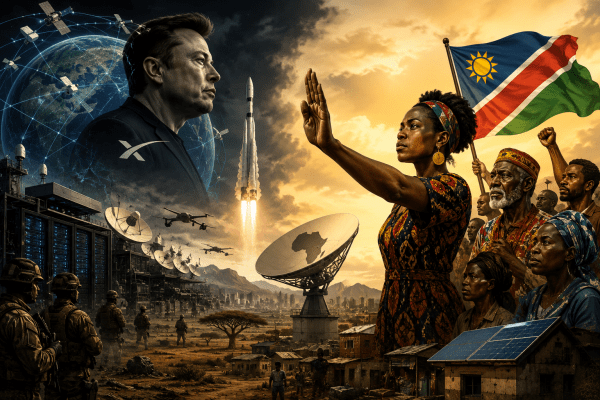
Elon Musk's Starlink faces a serious blow from Namibia as the nation's defense of local ownership laws clashes with corporate expansionism framed as progress. The business press conveniently portrays Namibia's regulations as hurdles to innovation, sidelining the crucial narrative of African sovereignty. This conflict is not merely about internet access but about resisting a new wave of digital colonialism preying on postcolonial nations' rights. As Namibia asserts its regulatory authority in telecommunications, the stakes rise: will Africa's digital future be owned by outsiders or harnessed for the continent's empowerment? The struggle embodies a fundamental question—who controls the gateways to communication and sovereignty?
The Sky Is Not for Sale: Namibia, Starlink, and the New Colonial Scramble for Digital Sovereignty