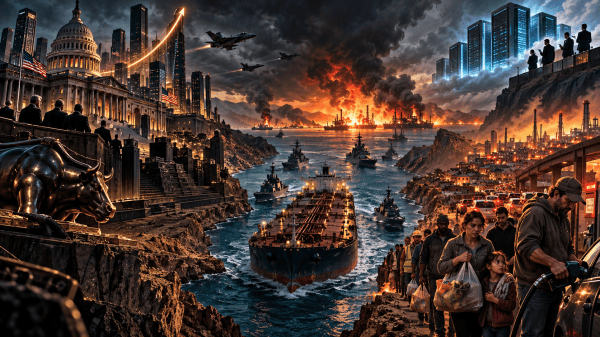
NBC presents falling stocks, rising Treasury yields and volatile oil as separate market reactions to war. Put the pieces back together and a deeper political economy appears. The struggle over Hormuz is raising the cost of energy and global circulation while Washington is already refinancing enormous debts under sharply higher real yields. Those pressures don’t fall evenly: workers, indebted households and vulnerable importing countries absorb higher costs while energy producers and concentrated technology capital occupy very different positions. What looks like market turbulence is really a struggle over the rising material and financial cost of American command—and who gets forced to pay the bill.
Japan Can Shake the Dollar, but It Can’t Set the Rules: The Yen Inside the Dollar Machine
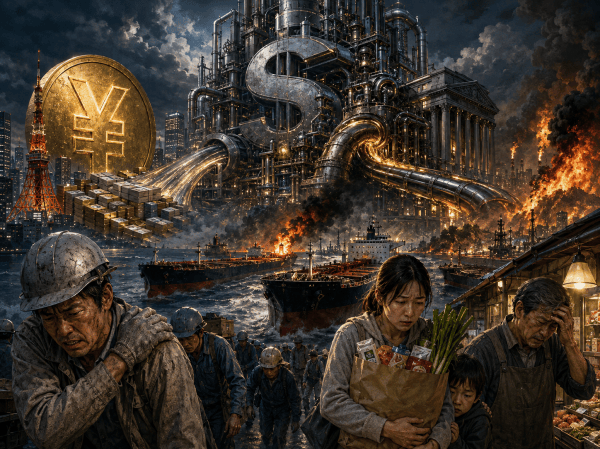
Reuters treats the yen’s violent swings as a market mystery, but the real story runs through the machinery of dollar-centered finance. Japan is a wealthy imperial-core creditor with enormous reserves and U.S. assets, yet its monetary choices remain constrained by U.S. rates, Treasury markets, imported energy, public debt, and capital flows. That dependence is reciprocal but unequal: Japanese instability can hurt Washington even as Tokyo adjusts inside a system it doesn’t command. And the costs travel downward. Workers win raises, then war-driven oil shocks, currency weakness, and inflation threaten to eat them away—turning monetary sovereignty into a class struggle over who pays.
The Collateral of Empire: Debt, Power, and the Future
America's staggering $81.9 trillion debt is more than just a number; it's a complex web of financial claims overshadowing the real economic landscape. The nation's ability to issue dollars grants it a unique power, allowing it to leverage future incomes to accommodate debt—while the average worker grapples with mortgages, credit cards, and student loans. This contradictory system—where public power fuels private finance—disguises the inequality at play. As lenders profit, households struggle, further entrenching societal divides. The U.S. isn’t just a massive debtor; it’s a realm where debt serves as both a lifeline and a constraint, revealing the capitalist dance between ownership and obligation.