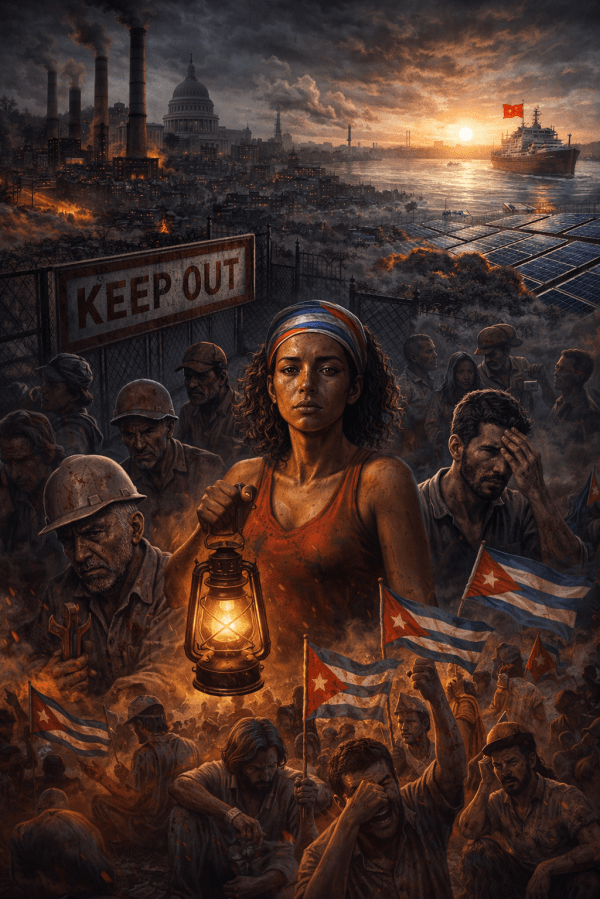
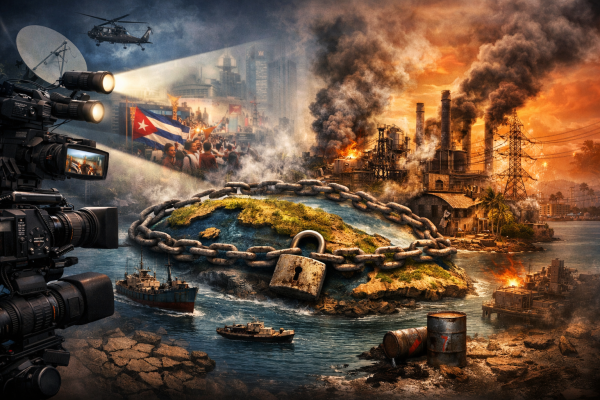
As U.S. imperialism tightens its grip on the hemisphere through economic warfare, Cuba stands at the front line—where the struggle between domination and sovereign development, between imperial command and emerging multipolar possibility, is being fought in real time. By Prince Kapone | Weaponized Information | March 17, 2026 When a Siege Learns to Speak the... Continue Reading →
The Birth of Weaponized Information: How the Empire Lost Its Monopoly Over Truth
For a generation the American empire dominated not only the battlefield but the global narrative. Corporate media framed wars, justified sanctions, and explained imperial power to the world. But leaks, whistleblowers, digital networks, and rival media systems shattered that monopoly over reality. This essay traces the historical collapse of the imperial information order and the... Continue Reading →
NBC’s Cuba Narrative and the Siege It Refuses to See
NBC’s coverage frames Cuba’s economic adjustment as a dramatic crisis, but a close reading of the article reveals the narrative techniques and framing devices used to construct that impression. Beneath the headline lies a far denser economic terrain shaped by sanctions, energy shortages, inflation, and the long search for productive stability under siege. When these... Continue Reading →
Axis of Empire: The Coup, the Shah, and the War Against Iranian Sovereignty
Afshin Matin-Asgari’s history exposes how U.S.–Iran relations were forged not through partnership but through intervention, oil politics, and the overthrow of democratic sovereignty. This review excavates the buried architecture of empire behind the 1953 CIA coup and the construction of the Shah’s authoritarian client state. It follows how the Iranian Revolution shattered that imperial arrangement... Continue Reading →
From COSCO to BlackRock: The Hidden Struggle Over the Panama Canal Chokepoint
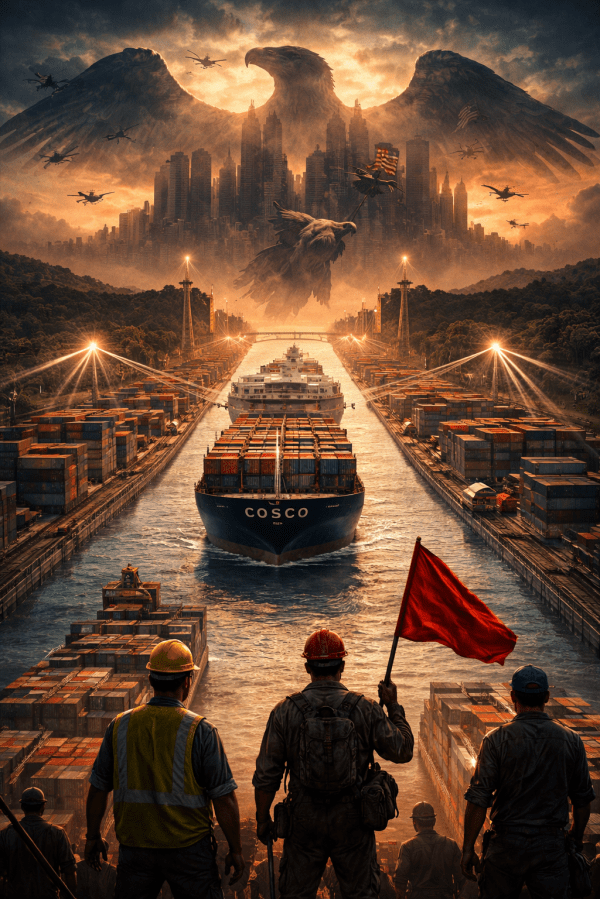
A logistics trade report tells us COSCO left Panama’s Balboa terminal because of a tidy legal dispute, the sort of story written from the boardroom side of the dock. Look closer and the facts show something rougher: U.S. pressure, ports changing hands, and global finance capital circling one of the narrow passages through which the... Continue Reading →
The United States of America, or the United Empire of Earth?
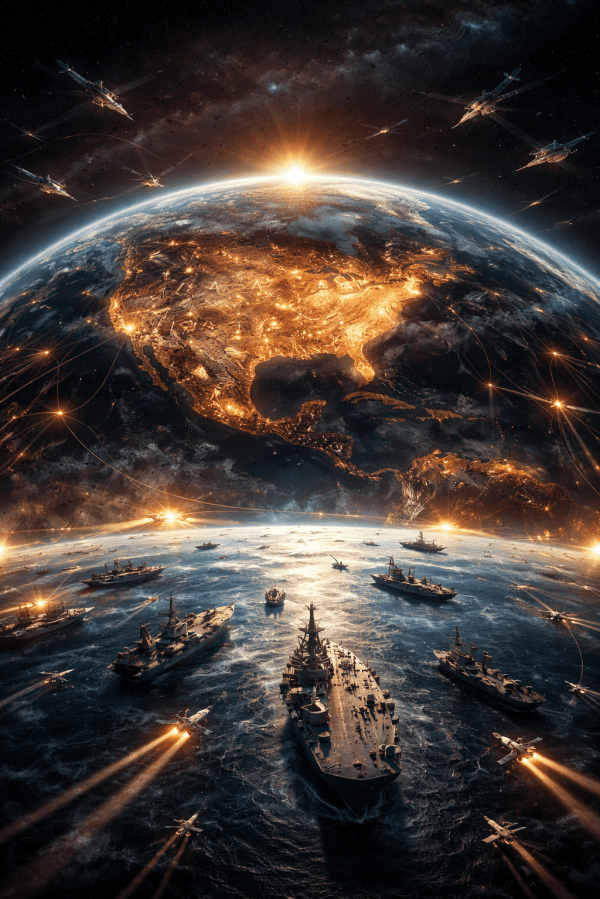
From settler conquest on the North American continent to a planetary lattice of bases, fleets, satellites, and command zones, the United States has constructed the most extensive military infrastructure in human history. Beneath the language of alliances, deterrence, and security lies a global machine designed to police the colonial world economy. But the very scale... Continue Reading →
Empire’s Last Illusion: When the Colonizers Can No Longer Colonize
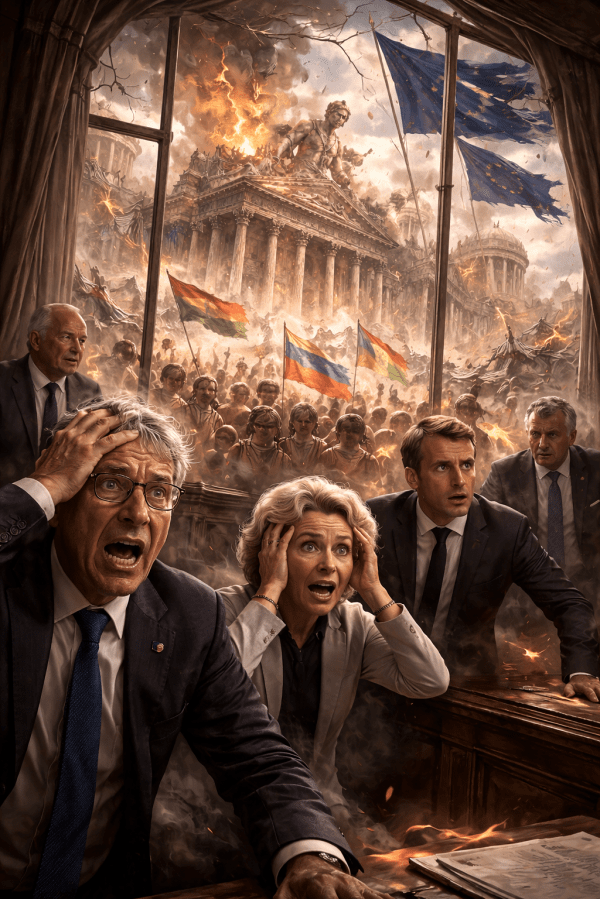
The language of “chaos” now coming from European leaders reveals something deeper than geopolitical instability. It reflects the growing panic of a ruling class confronting the limits of a world order built through colonial domination and sustained by imperial power.By Prince Kapone | Weaponized Information | March 11, 2026When Power Begins to Speak in the... Continue Reading →
The Lithium Frontier: Empire, Oligarchs, and the Struggle for the Salt Flats of the Andes
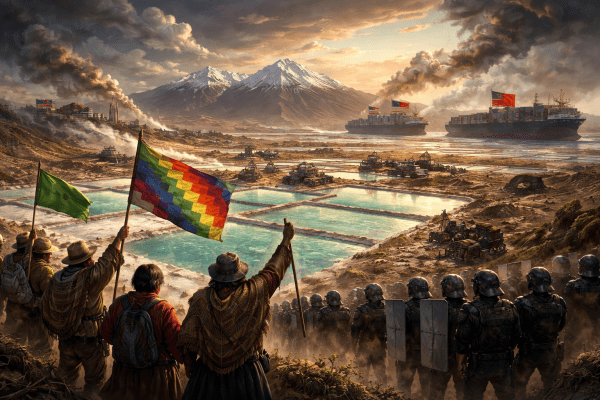
Beneath the investor narratives of strategic minerals and geopolitical competition lies a deeper struggle over land, labor, and sovereignty. As the global economy reorganizes itself around electrification and battery technology, the salt flats of the Andes have become a new frontier in the long history of resource extraction in Latin America — where communities, states,... Continue Reading →
The Architects of Empire: How the Anglo-American Establishment Built the Modern World Order
From Cecil Rhodes’ imperial secret society to the trilateral system that governs global capitalism today, the modern world order did not emerge by accident. It was constructed—patiently, institutionally, and across generations—by networks of bankers, strategists, policymakers, and imperial planners determined to organize power on a planetary scale. By Prince Kapone | Weaponized Information | Weaponized... Continue Reading →
The Guardian’s “Raw Deal” and Washington’s Fine Print: Zambia, Health Aid, and the Politics of Conditional Care
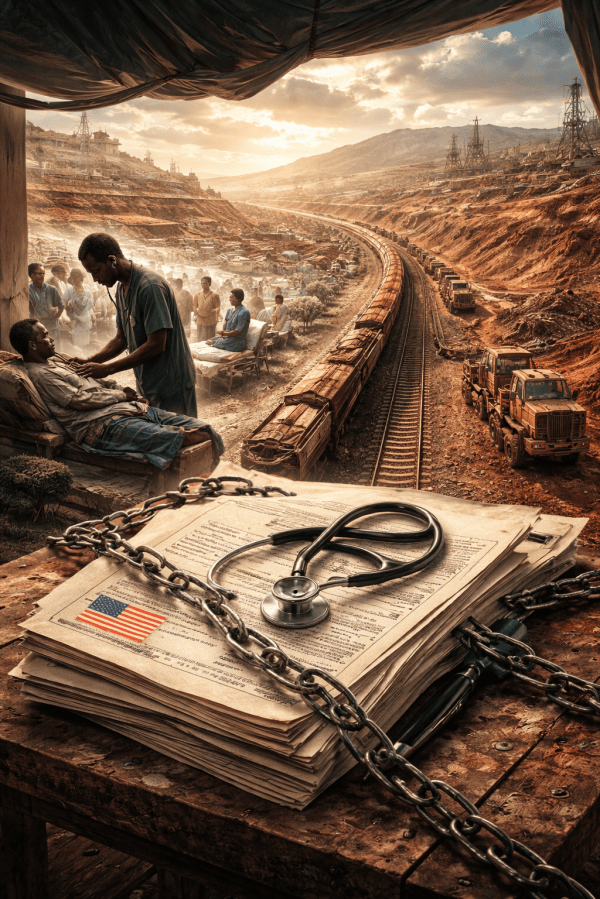
A liberal alarm rings in the pages of The Guardian, exposing troubling terms while leaving the aid architecture itself intact. The material terrain reveals how debt-shaped constraints narrow Zambia’s choices before any negotiation begins. The agreement fuses life-sustaining health systems with mineral governance and long-term informational commitments. Across the Global South, emerging refusals and alternative... Continue Reading →