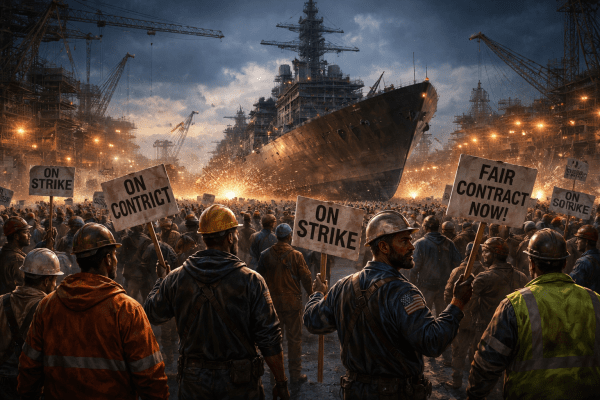
A shipyard walkout in Maine exposes a deeper contradiction: workers fighting for survival while producing the instruments of empire—and the political line required to break that alignment. By Prince Kapone | Weaponized Information | March 23, 2026 When the War Yard Gets Reduced to a Payroll Dispute There is a very particular kind of reporting... Continue Reading →
Kill Anything That Moves: Excavating the Hidden Logic of America’s War in Vietnam
This Weaponized Intellects review enters Nick Turse’s investigation as both a historical excavation and a political indictment. It traces how a counterinsurgency war built on body counts transformed the Vietnamese countryside into a laboratory of industrialized violence. It examines the bureaucratic systems that normalized atrocity and the machinery of denial that later buried the evidence.... Continue Reading →
The Guardian’s “Raw Deal” and Washington’s Fine Print: Zambia, Health Aid, and the Politics of Conditional Care
A liberal alarm rings in the pages of The Guardian, exposing troubling terms while leaving the aid architecture itself intact. The material terrain reveals how debt-shaped constraints narrow Zambia’s choices before any negotiation begins. The agreement fuses life-sustaining health systems with mineral governance and long-term informational commitments. Across the Global South, emerging refusals and alternative... Continue Reading →
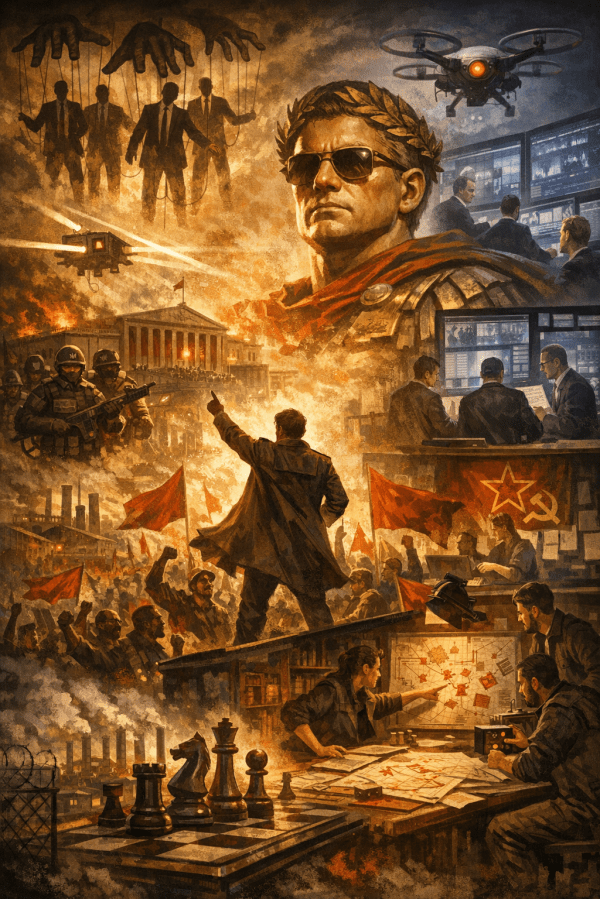
The Prince Without a Crown: Gramsci’s Blueprint for Power in the Age of Managed Dissent
This review excavates “The Modern Prince” as Gramsci’s prison-forged answer to the West’s revolutionary stall: why fortified capitalism survives crisis through consent, institutions, and “common sense.” It reconstructs his core strategic arsenal—collective will, hegemony, war of position, and the party as the organized brain of the oppressed—against the fantasies of spontaneity and the dead-end of... Continue Reading →
Booming Balance Sheets, Breaking Backs: CNBC, Monopoly Capital, and the “Boomcession” Lie
Booming Balance Sheets, Breaking Backs: CNBC, Monopoly Capital, and the “Boomcession” LieSubhead:Corporate media reframes structural exploitation as a quirky economic paradox.The data reveal a class regime where profits surge while labor absorbs risk.Debt, housing, and hiring slowdowns expose how growth is captured upward and insecurity pushed downward.From tenant unions to debtors’ assemblies, working people are... Continue Reading →
Empire vs. Sekou Odinga: Counterinsurgency, Community Power, and the War for Black Liberation (1944–2024)
Jamaica, Queens forged a revolutionary in the shadow of Malcolm X. The Black Panther Party built dual power — and the state answered with disruption. Underground struggle met federal conspiracy and thirty-three years of captivity. Elderhood returned him to a new generation still facing the same empire. By Prince Kapone | Weaponized Information | Black... Continue Reading →
The K They Drew, The System They Hid: Confidence, Concentration, and the Architecture of a Split Economy
Wall Street calls it sentiment. Corporate media calls it divergence. But beneath the alphabet metaphors lies a decades-long transfer of wealth, power, and sovereignty from labor to capital. The numbers do not describe a mood swing. They describe a system working exactly as designed. By Prince Kapone | Weaponized Information | February 11, 2026 When... Continue Reading →
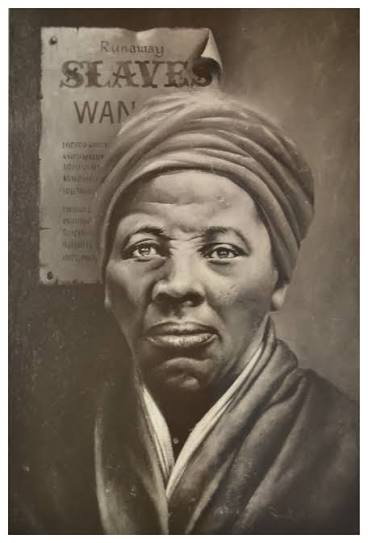
Harriet Tubman and the Science of Escape: Maroon Strategy, Labor Rebellion, and the Black Woman Who Turned Slavery Against Itself
Harriet Tubman did not merely flee bondage; she attacked the economic foundations of slavery by organizing collective escape, disrupting the immobilization of Black labor, and later striking directly at Confederate infrastructure in war. Emerging from a regime that depended on the total control of Black women’s bodies, she transformed from exploited worker into disciplined strategist,... Continue Reading →
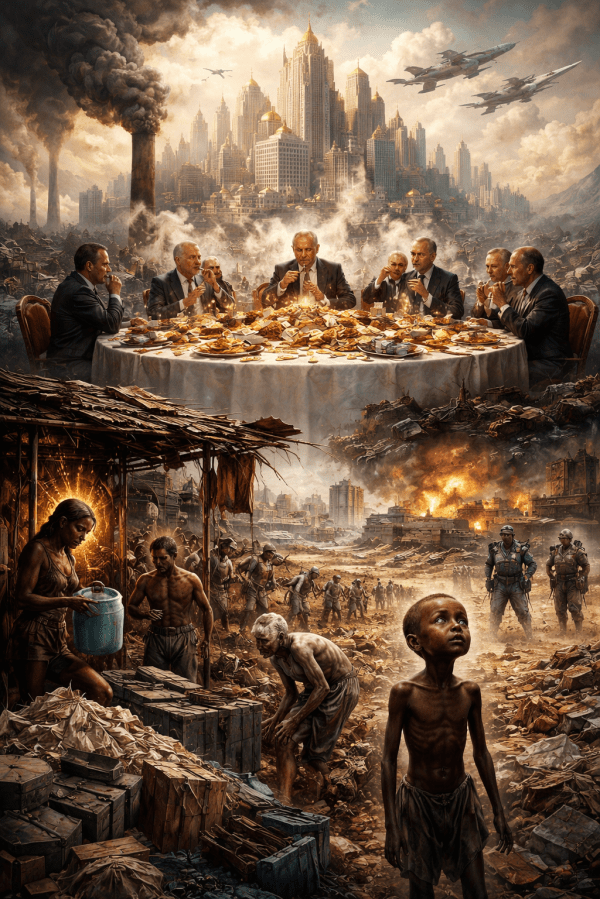
Growth Without Development: How Capitalism Produces Abundance, Manufactures Poverty, and Calls It Progress
In The Political Economy of Growth, Paul A. Baran dismantles the myth that growth is neutral or benevolent, exposing it as a class project rooted in surplus extraction and imperial power. He shows how monopoly capitalism turns productivity into waste and development into stagnation, both at home and across the colonized world. Against liberal economics... Continue Reading →
Fred Hampton and the Revolutionary Meaning of Solidarity
Chicago is shown here not as a northern refuge of progress, but as what it actually was and remains: an internal colony where segregation, poverty, and police occupation shaped Fred Hampton into a revolutionary Marxist with no illusions about the system he was up against. From those conditions came a politics willing to go where... Continue Reading →