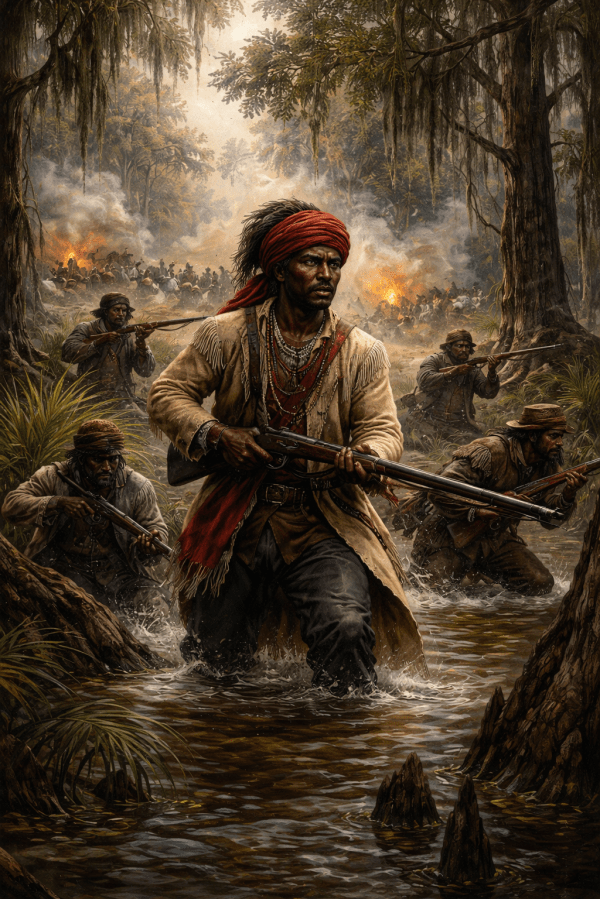
Long before emancipation was declared from Washington, enslaved Africans and Indigenous Seminoles built an armed republic in the Florida swamps. Their alliance waged the longest and most successful slave insurgency in U.S. history. The United States responded with invasion, removal, and counterrevolution. John Horse’s life exposes empire not as destiny, but as a structure contested... Continue Reading →
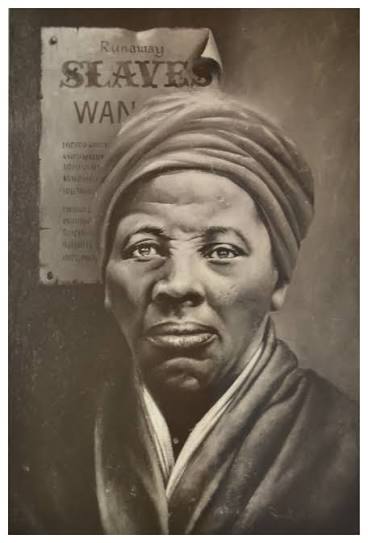
Harriet Tubman and the Science of Escape: Maroon Strategy, Labor Rebellion, and the Black Woman Who Turned Slavery Against Itself
Harriet Tubman did not merely flee bondage; she attacked the economic foundations of slavery by organizing collective escape, disrupting the immobilization of Black labor, and later striking directly at Confederate infrastructure in war. Emerging from a regime that depended on the total control of Black women’s bodies, she transformed from exploited worker into disciplined strategist,... Continue Reading →
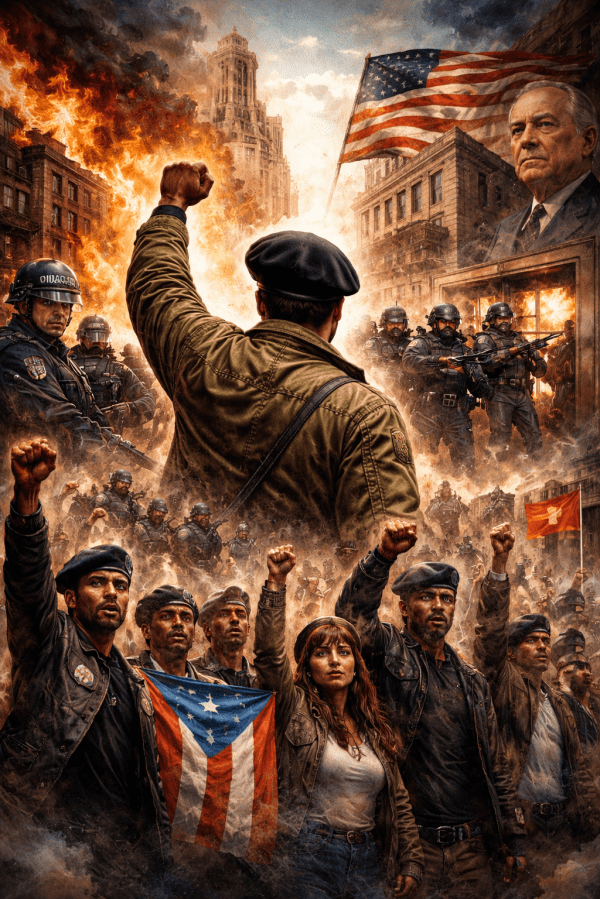
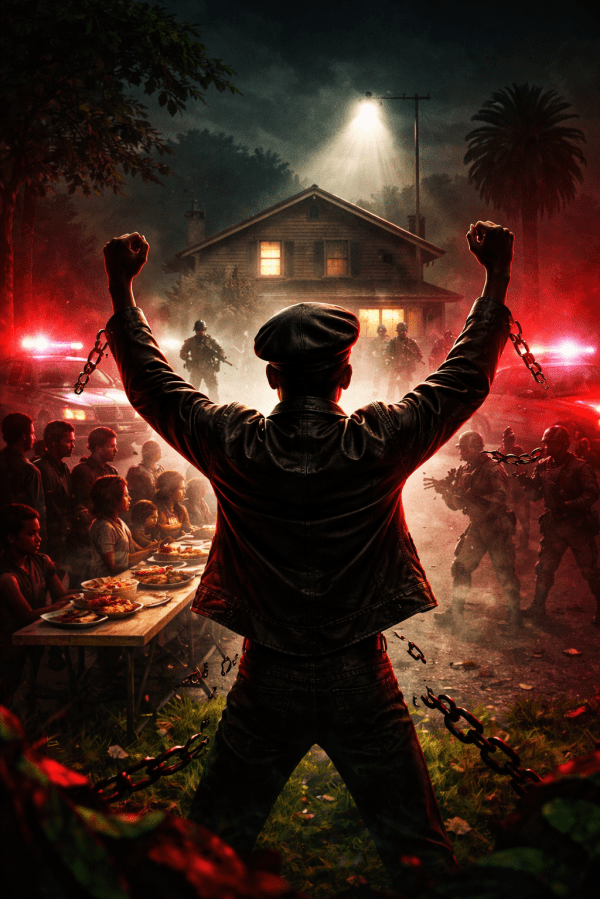
Fred Hampton and the Revolutionary Meaning of Solidarity
Chicago is shown here not as a northern refuge of progress, but as what it actually was and remains: an internal colony where segregation, poverty, and police occupation shaped Fred Hampton into a revolutionary Marxist with no illusions about the system he was up against. From those conditions came a politics willing to go where... Continue Reading →
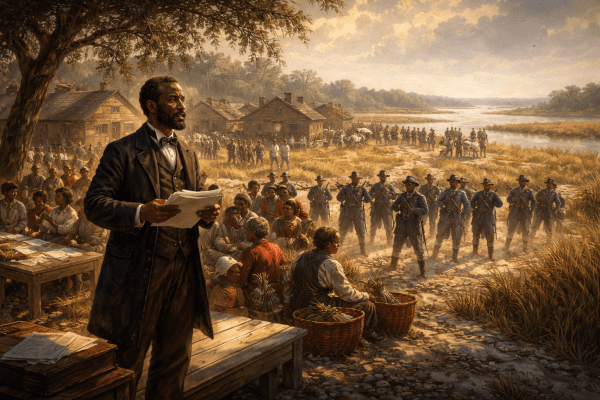
Tunis Campbell and the Black Republic That White Power Destroyed
Born free in a slave republic, Campbell became an architect of Black self-rule after emancipation. On Georgia’s Sea Islands, freedpeople built land-based democracy before federal power restored white property. Rising to state leadership, he was criminalized as Reconstruction turned into counterrevolution. His life reveals Reconstruction as an unfinished revolution over land, labor, and power. Prince... Continue Reading →
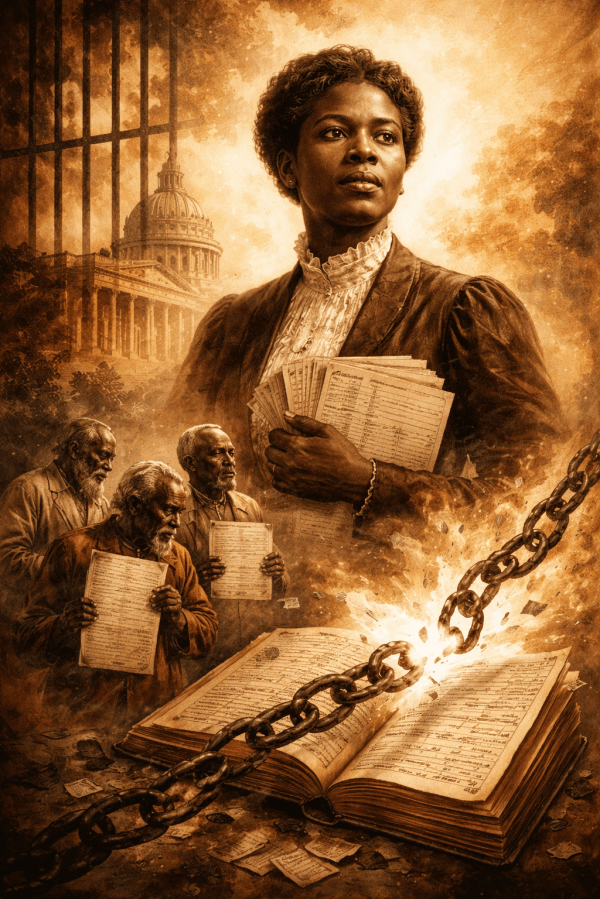
Callie House and the First Mass Reparations Movement in U.S. History
A formerly enslaved woman who helped turn memory of bondage into a national economic claim. Her movement proved reparations was a working-class demand for stolen labor, not a plea for charity. The federal government criminalized her because compensation threatened the racial economic order. Her legacy links Black liberation to the broader struggle over wealth, power,... Continue Reading →
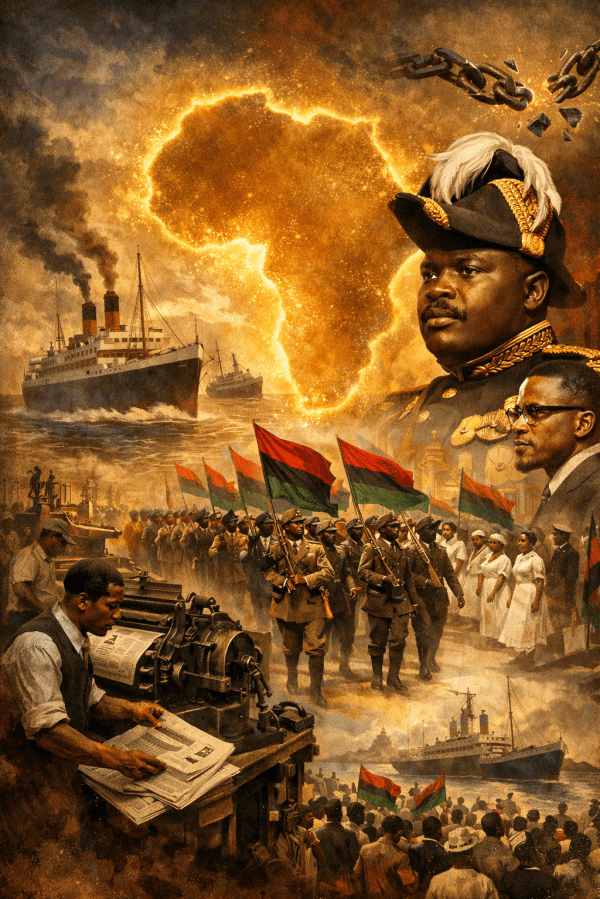
Marcus Garvey and the First Global Black Mass Movement
He turned a scattered people into a political community with a shared destiny. He transformed Black pride from sentiment into organized power. His movement terrified empire because it operated beyond white control. His legacy still shapes Black radical and internationalist struggle today. Prince Kapone | Weaponized Information | Black History Matters Series | February 2,... Continue Reading →
Lil’ Bobby Hutton and the Generation That Refused to Beg
A teenage Panther whose life exposed the colonial reality inside the United States. His political awakening marked the rise of organized Black revolutionary youth. His killing revealed how the state responds when the oppressed build power.His memory remains a lesson in struggle, organization, and historical continuity. Prince Kapone | Weaponized Information | Black History Matters... Continue Reading →
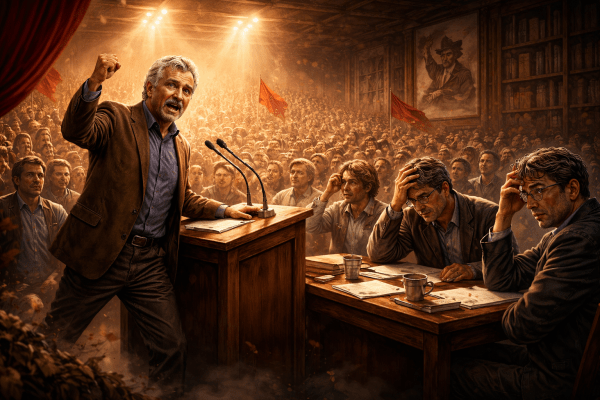
The Great Lecture Hall and the Small Seminar Room: Michael Parenti Vs. Western Marxism
A tribute to Michael Parenti that situates his life’s work as a living challenge to the academic drift and political retreat of Western Marxism. This essay traces Parenti’s unified analysis of class power, empire, media, ideology, and anti-communism, arguing that his legacy is not a memory to be curated but a method to be used... Continue Reading →
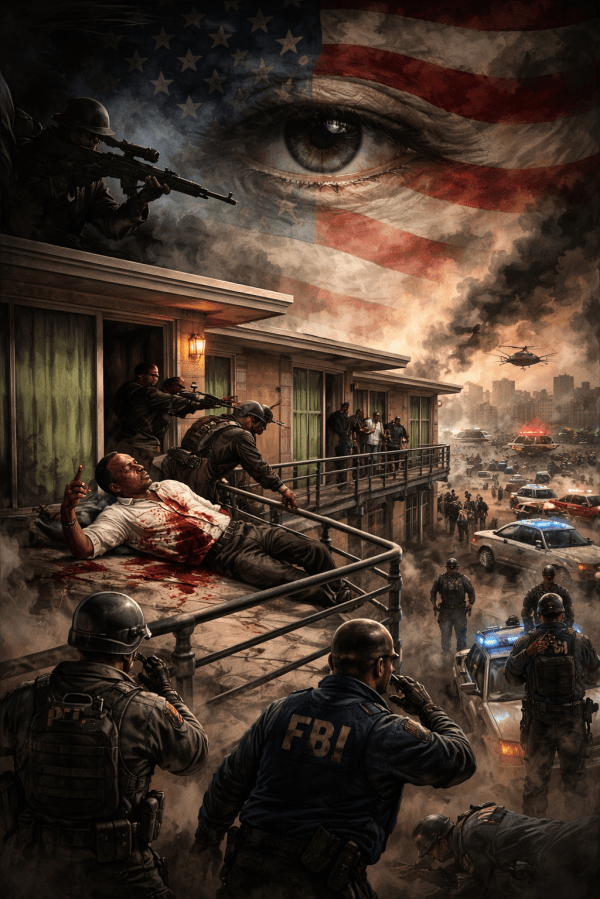
An Act of State: Martin Luther King Jr., Political Assassination, and the Crime of Empire
William F. Pepper’s An Act of State dismantles the myth of a tragic killing and exposes the assassination of Martin Luther King Jr. as a deliberate act of governance—carried out to halt a revolutionary convergence of anti-imperialism, class struggle, and mass organization inside the United States. This MLK Day intervention refuses memorialization and restores King... Continue Reading →
The Mandate of Heaven: Empire, Civilization, and the War Over History’s Future
The ancient Chinese concept of the Mandate of Heaven was never superstition — it was a theory of political legitimacy rooted in material life, popular welfare, and historical judgment. This essay revives that framework as a weapon of analysis, comparing a United States empire that rules through coercion, sanctions, and decline management with a Chinese... Continue Reading →