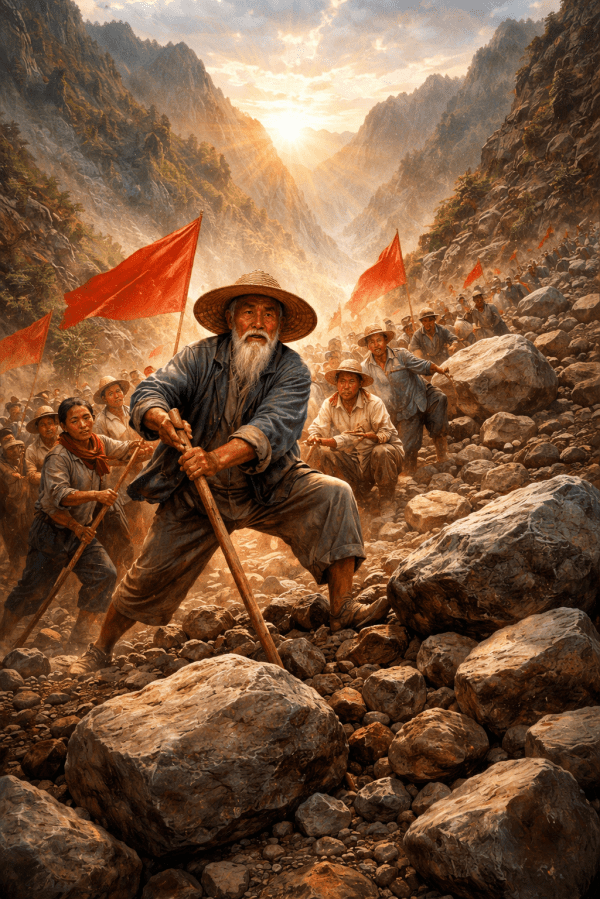
From Mao’s seizure of sovereignty to Xi’s effort to discipline capital, China’s modern history is neither a fall from revolutionary purity nor a smooth ascent into capitalism, but a protracted socialist struggle through contradiction. Each phase of development generated new class forces, new dangers, and new strategic adjustments, as the Party-state sought to preserve political... Continue Reading →
Manufacturing a “Xi Doctrine”: How Imperial Analysis Distorts China’s Development Strategy
A think tank narrative repackages China’s Five-Year Plan as a leader-driven doctrine, masking its institutional and historical character. The actual policy reveals a multi-dimensional strategy shaped by domestic priorities and external pressure. This transition reflects a deeper socialist development process unfolding through contradiction, not confusion. Across multiple fronts, emerging forces are beginning to resist the... Continue Reading →
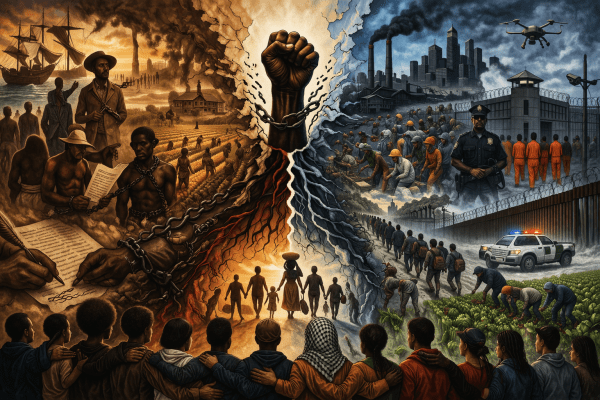
The Colonial Architecture of Class: How Race Was Engineered to Divide Labor and Stabilize Empire
What masquerades as a race-class conflict in America is merely the internal workings of empire. By tracing the evolution of labor relations, it becomes clear that racial divisions are structural, not superficial nuisances. This overlapping oppression demands a unified, revolutionary response, dispelling false dichotomies to reveal a singular system demanding collective action.
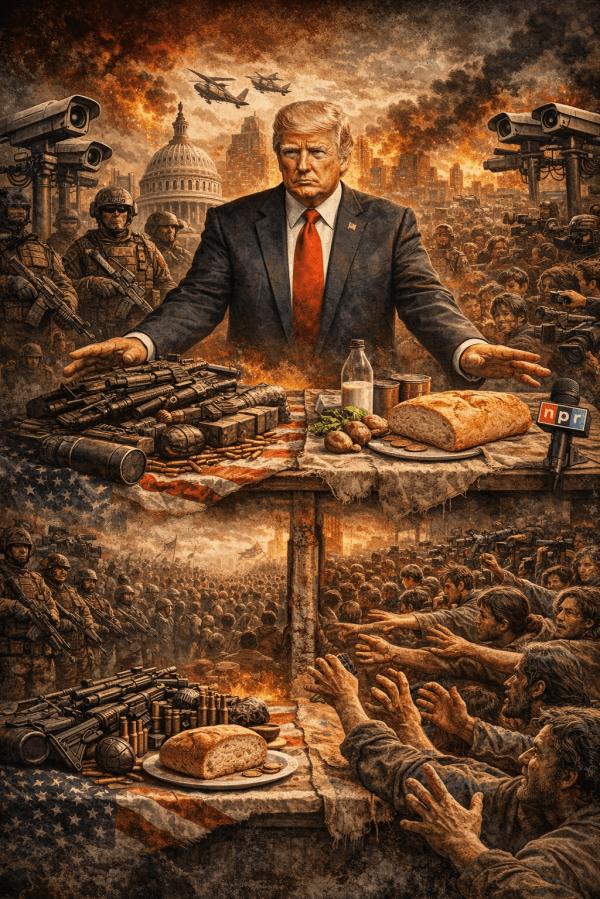
Guns Over Bread: How NPR Helps Normalize Technofascism in the Age of Trump
As military spending skyrockets, social programs are slashed under the guise of “budget priorities.” This isn’t just fiscal prudence; it’s a calculated betrayal. The old social contract is dead, replaced by a system where austerity and militarization reign, revealing an empire fraying at the edges, clinging to power through coercion.
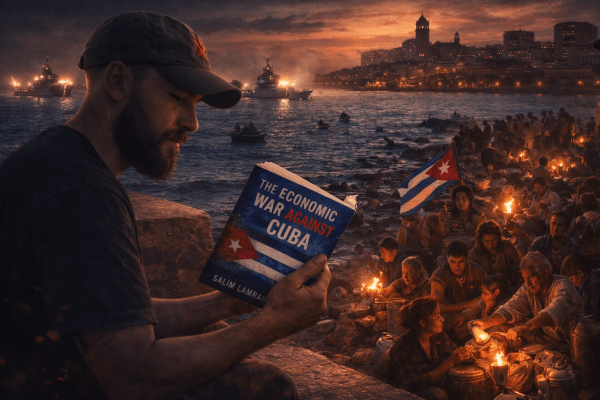
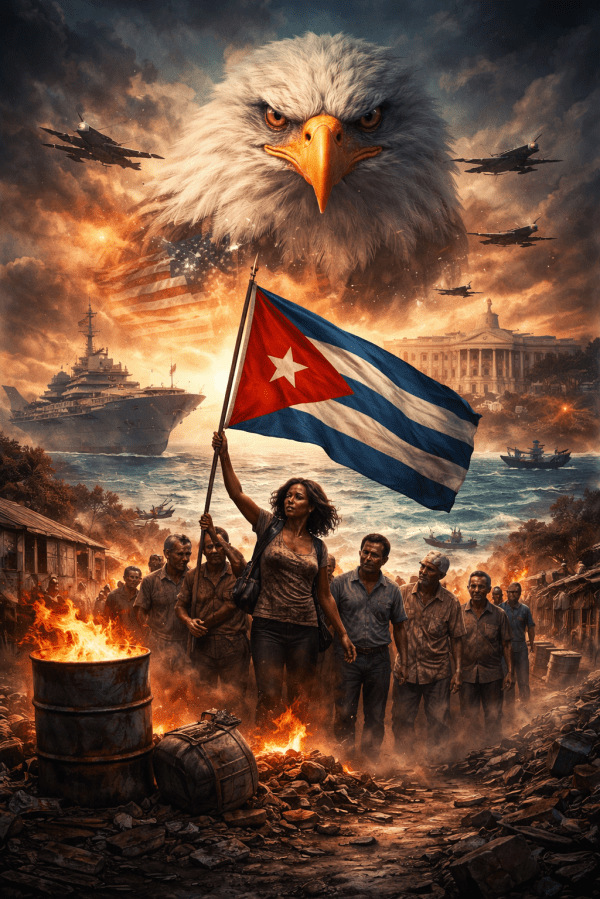
The Gazafication of Cuba: Economic War and the Genocidal Siege on Sovereignty
This review of The Economic War Against Cuba by Salim Lamrani excavates the historical architecture of the U.S. blockade and reinterprets it through the present conjuncture, revealing it not as a failed Cold War relic but as an evolving system of imperial economic warfare. Moving from trade embargo to extraterritorial coercion to full-spectrum energy siege,... Continue Reading →
Cuba Will Not Kneel: Trump, The New York Times, and the Contradictions of the American Pole
The New York Times launders U.S. regime-change demands into the language of negotiation, masking domination as diplomacy. Beneath the narrative, a coordinated campaign of economic strangulation—especially through energy chokepoints—reveals deliberate coercion, not Cuban failure. This pressure is part of a broader imperial recalibration: the consolidation of Fortress America as a hemispheric bloc under U.S. control.... Continue Reading →
U.S. Empire, Somaliland, and the Sale of Sovereignty at the Red Sea Chokepoint
A Military.com analysis presents U.S. recognition of Somaliland as pragmatic strategy, disguising a deeper imperial project. The colonial fracture between British and Italian Somaliland, combined with postcolonial crisis, has been repurposed into an opening for external intervention. What appears as diplomacy is in fact the conversion of territory into infrastructure—Berbera as port, base, and extractive... Continue Reading →
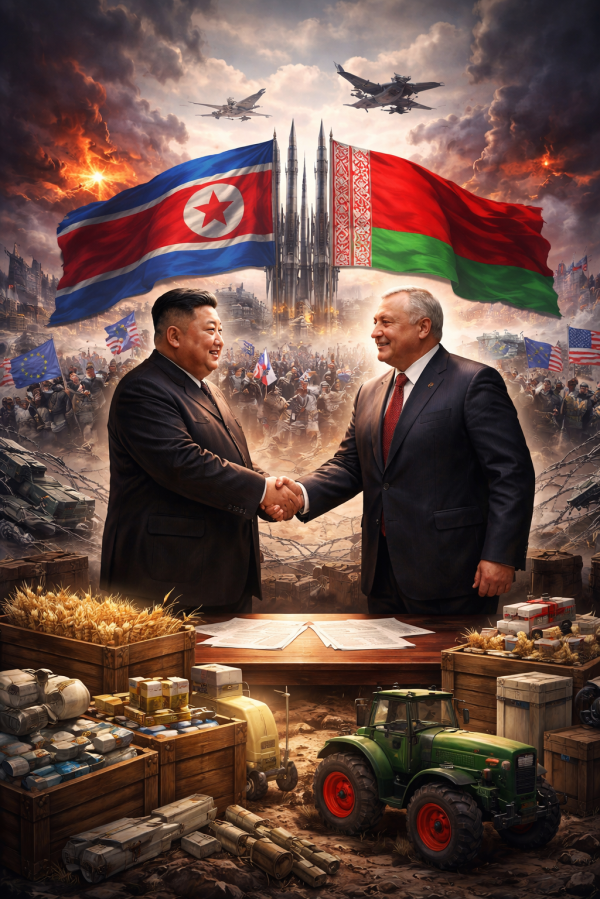
The Independent’s Imperial Blindness: How North Korea and Belarus Refuse Isolation and Build Under Siege
The Independent recasts the DPRK–Belarus treaty as suspicious alignment while obscuring sanctions, war, and coercion shaping both states. The actual record shows concrete agreements across food, healthcare, industry, and education built through ongoing diplomatic coordination. These developments emerge from Korea’s imposed partition, Belarus’s post-Soviet Western pressure, and their shared positioning alongside Russia in the Ukraine... Continue Reading →
The Big Payback: Settling Accounts with the Paid Piper of Western Marxism (Part 1)
A ruthless chapter-by-chapter assault on Herbert Marcuse’s Soviet Marxism: A Critical Analysis, exposing it not as some noble “immanent critique” of actually existing socialism, but as a polished work of Cold War Western Marxist sabotage—an effort to sever Marx from Lenin, dialectics from revolution, and theory from the hard, blood-soaked labor of building socialism under... Continue Reading →
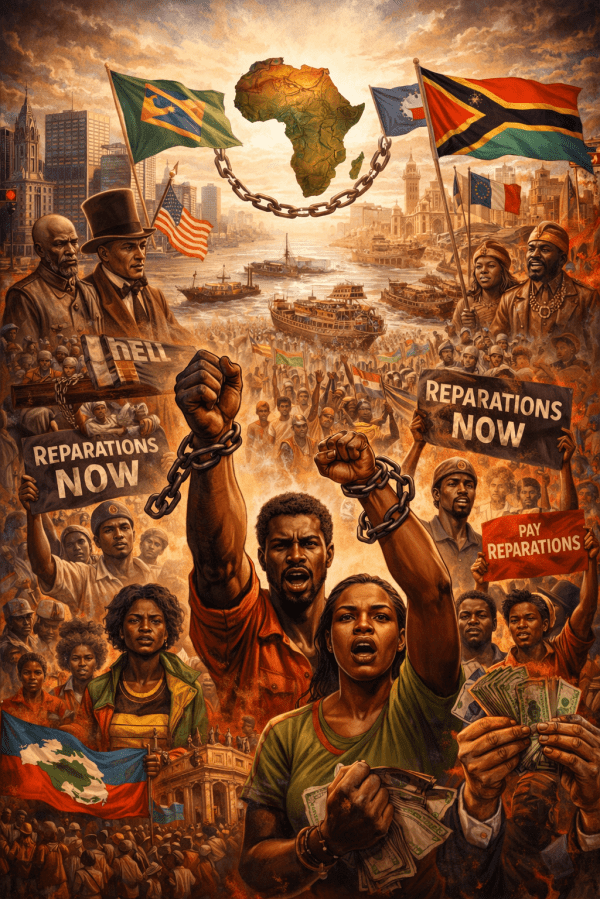
AP Reports the Crime, Not the Consequence: How Empire Acknowledges Slavery While Defending Its Spoils
The Associated Press presents the UN resolution as a moment of moral recognition, but its reliance on official voices and diplomatic language reveals how power narrates history without disturbing itself. The material record shows that slavery’s wealth still structures the present, and that organized reparations movements—from Africa to the Caribbean to grassroots struggles—are confronting that... Continue Reading →