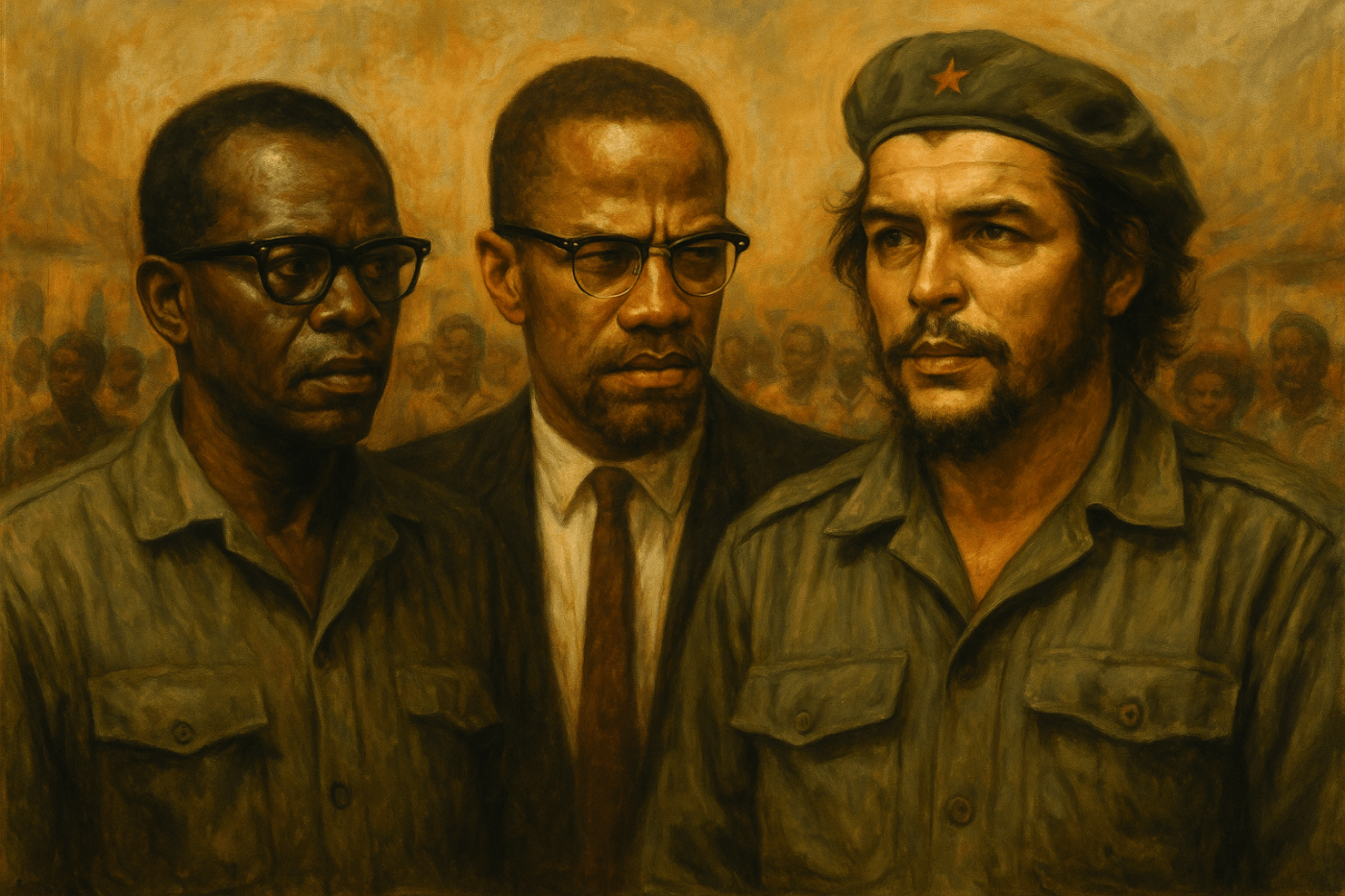
Comrade Babu: Zanzibar’s Marxist and the Internationalism of African Liberation
“The fight against imperialism cannot be local. It must be united, international, and rooted in socialist transformation.”
— Abdulrahman Mohamed Babu
Revolution from the Coast: The Marxist of Zanzibar
Abdulrahman Mohamed Babu was a leading figure in the 1964 Zanzibar Revolution and a committed Marxist and Pan-Africanist. Born in 1924 on Pemba Island, Zanzibar, Babu’s political consciousness was shaped by colonial exploitation and racial segregation. He co-founded the Umma Party, a socialist political party that played a significant role in the revolution that overthrew the Sultanate.
Following the revolution, Babu served as the Minister of External Affairs in the newly formed People’s Republic of Zanzibar. His tenure was marked by efforts to align Zanzibar with socialist countries and to promote international solidarity among liberation movements.
Part I: The Zanzibar Revolution and the Path to Socialism
The 1964 revolution in Zanzibar was a pivotal moment in African history. The uprising led to the establishment of a revolutionary government that sought to dismantle feudal structures and promote socialist policies. Babu’s Umma Party was instrumental in steering the revolution towards a socialist trajectory, emphasizing land redistribution and nationalization of key industries.
However, the revolution also faced challenges, including internal divisions and external pressures. The subsequent union of Zanzibar with Tanganyika to form Tanzania was seen by some as a move to curb the radicalism of the Zanzibari revolutionaries.
Part II: With Malcolm and Che—Globalizing the Struggle
Babu’s commitment to internationalism was evident in his collaborations with global revolutionary figures. In 1964, he met with Malcolm X at the Organization of African Unity (OAU) summit in Cairo, where they discussed strategies for African and African-American solidarity. Babu’s influence contributed to Malcolm’s evolving views on socialism and internationalism.
Babu also established connections with Che Guevara during his visit to Cuba. Their interactions underscored the shared goals of anti-imperialist struggles across continents. Babu’s efforts facilitated training and support for African liberation movements, further cementing his role as a bridge between African and global revolutionary movements.
Part III: Prison, Exile, and the Revolution that Never Died
In 1972, following the assassination of Tanzanian leader Abeid Karume, Babu was arrested and falsely accused of involvement. He was sentenced to death, a sentence later commuted under international pressure. After years of imprisonment, Babu was released and continued his activism in exile, critiquing neocolonialism and advocating for genuine socialist development in Africa.
His writings, including Socialist Africa or African Socialism?, remain influential, offering critical insights into the challenges of post-colonial development and the importance of aligning political independence with economic sovereignty.
Babu Was Not a Minister—He Was a Comrade
Abdulrahman Mohamed Babu’s legacy is that of a revolutionary who transcended borders, connecting African liberation struggles to global movements. His unwavering commitment to socialism, internationalism, and the empowerment of the oppressed continues to inspire activists worldwide.
For a deeper understanding of Babu’s life and contributions, consider exploring the following resources:
 Weaponized Information
Leave a comment