By Prince Kapone | Weaponized Information | April 29, 2025
I. Framing the Battle
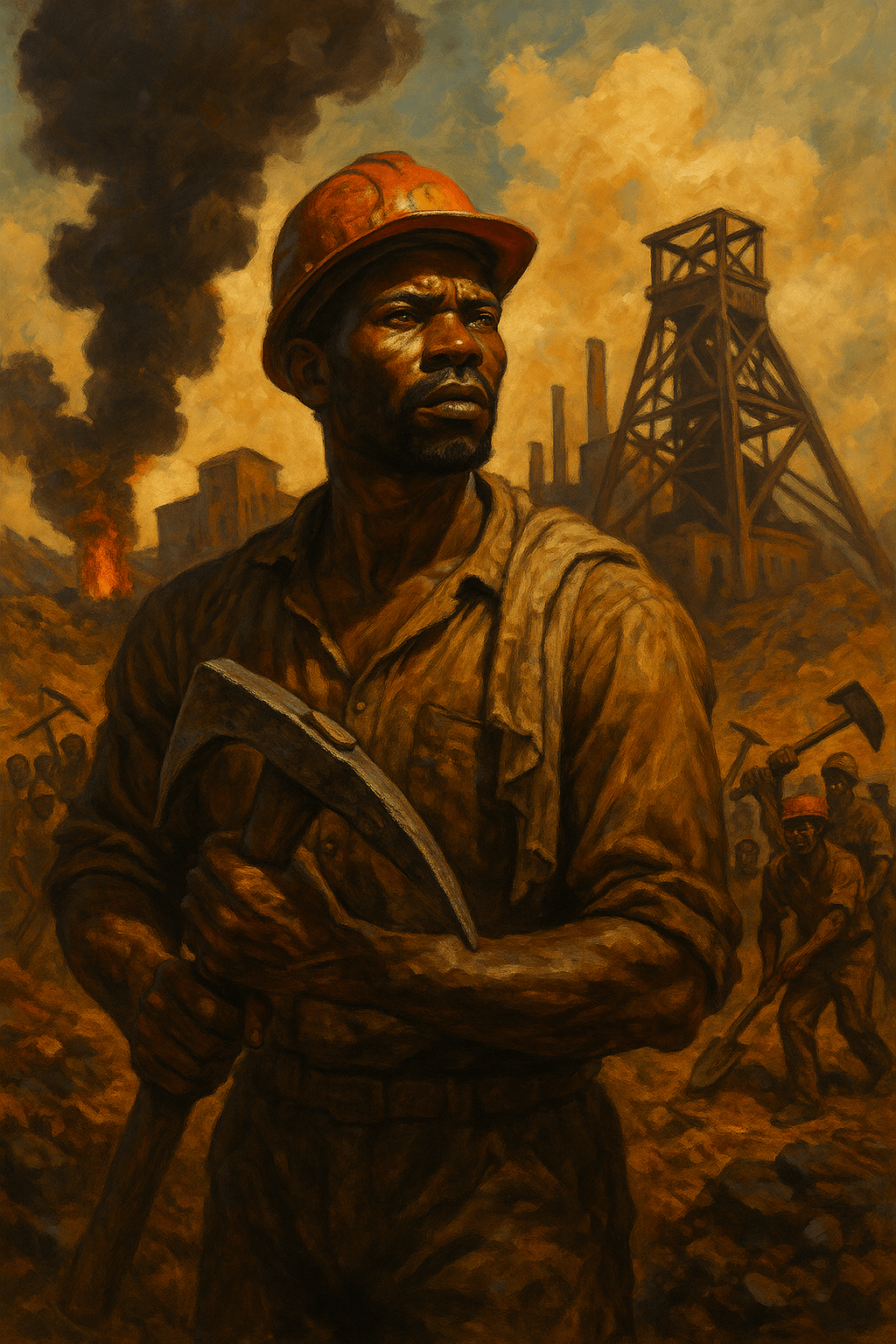
Once again, the empire lets out a shriek. A shriek not of pain, but of panic. When the colonized dare to snatch back a fraction of what was looted from their lands, the mouthpieces of capital rise up in chorus. They don their suits, sharpen their pens, and crank out headlines laced with fear: “instability,” “economic risk,” “hostile to investment.” This time, it’s Burkina Faso in their crosshairs. Reuters, that loyal stenographer of global finance, tells us the government wants to nationalize more industrial mines. Good. That means someone’s doing something right.
At Weaponized Information, we don’t take imperialist hysteria at face value. We dig it up, tear it open, and expose what lies underneath: a desperate empire watching its grip slip. Burkina Faso’s actions aren’t “reckless” or “dangerous.” They’re righteous. They are acts of class war and anti-colonial liberation. This is the sound of empire dying. And this is the moment when the people begin to win.
II. Excavating the Propaganda: Who Builds It, Who Broadcasts It, Who Benefits
The bourgeois machine never stops spinning. Reuters—owned by a financial information empire, wired into the arteries of global capital—paints Burkina Faso’s nationalization efforts as some grave offense against “stability.” (Reuters) But stability for who? The poor? The working class? Or the foreign mining companies that have plundered Burkina Faso’s earth since colonialism was renamed “investment”?
This is propaganda by omission. No mention of France’s neocolonial control. No history. No class analysis. No truth. Just the usual script:
- Producer: Reuters — A dispassionate name for a global engine of consent manufacturing. Their job? To defend the interests of capital with the cold neutrality of a guillotine.
- Amplifiers: Financial analysts, think tanks, Western embassies, and puppet economists. Their fear is contagious, and they spread it like a virus through the airwaves and algorithms.
- Beneficiaries: The mining giants who profit off stolen land. The IMF who loans you the rope to hang yourself. The comprador elites who smile in Western suits while selling out their people for crumbs.
Reuters doesn’t say nationalization is illegal. It says it’s bad for business. That’s the quiet part. In their worldview, a legitimate government is one that lets imperialists keep digging. Anything else is a crime.
III. Material Context and Historical Background
Let’s speak plainly: Burkina Faso has been robbed for generations. First by France, which colonized the land, extracted its labor, and rewrote its history. Then by international capital, which came bearing contracts and left with gold. Independence in 1960 changed the flags but not the power relations. The mines stayed foreign. The profits left the country. The people remained poor.
But in 1983, a soldier named Thomas Sankara broke the pattern. He led a revolution. Not the kind that asks politely, but the kind that seizes land, redistributes wealth, builds schools, and kicks out the IMF. Sankara made it plain: “He who feeds you, controls you.” He nationalized resources, refused debt, and showed the world that a poor country could live with dignity—if it broke with imperialism. For that, they killed him. The French-backed coup in 1987 wasn’t about “restoring order.” It was about restoring profits. (Al Jazeera)
Since then, Burkina Faso has seen puppet governments come and go. What stayed consistent was exploitation. The so-called “war on terror” allowed the U.S. and France to build military bases and install surveillance infrastructure—not to fight terrorism, but to police the region and guard corporate assets. (Geopolitical Economy Report)
Now a new generation has picked up Sankara’s torch. And the empire is panicking once again.
IV. Imperialist Recalibration and Strategic Objectives
The empire doesn’t sleep. It recalibrates.
It knows full well what’s happening in Burkina Faso, Mali, Niger, and Guinea. It knows the people are done begging. So it adjusts the weapons. Not all of them fire bullets. Some fire legal threats. Some fire propaganda. Some fire austerity policies. Here’s what we’re seeing now:
- Economic Warfare: Credit ratings slashed. Loan threats issued. Trade routes pressured. Sanctions whispered. Mining corporations prepare lawsuits to bleed the country dry in international courts built to protect Western property, not African sovereignty. (Reuters)
- Security Subversion: Mercenaries roam the Sahel under the banners of private firms. Imperialists fund “insurgent” movements with plausible deniability. These aren’t civil conflicts. They’re imperial counterinsurgencies in disguise. (Al Mayadeen)
- Media Warfare: Every headline is a bullet. They call the government “authoritarian,” just like they did with Sankara, Lumumba, Gaddafi, and every revolutionary who refused to roll over. (National Security Archive)
- Diplomatic Isolation: ECOWAS is activated, not for African unity, but for imperial enforcement. Resolutions fly, threats multiply, and U.N. statements pile up like warning shots.
The aim is clear: make Burkina Faso an example. Show the rest of Africa what happens when you step out of line. But history is no longer theirs to write.
V. Revolutionary Resistance: Strategy and Struggle from Below
This isn’t about a president or a military regime. It’s about a people who have had enough. It’s about farmers, students, workers, and veterans who remember Sankara and know that their land is worth fighting for.
Nationalization is just the first step. The real battle is sustaining sovereignty under siege. And Burkina Faso isn’t fighting alone:
- People’s Militias: Local defense units are being trained not just to shoot, but to organize. They protect infrastructure, defend villages, and keep foreign operatives out.
- Pan-African Alliances: Mali, Niger, and Burkina Faso have formed a common front. These aren’t rogue states—they are revolutionary vanguards refusing to be recolonized. (Pan African Review)
- Economic Rewiring: Deals are being struck outside of Western control. With China. With Russia. With other Global South partners. Sanctions only work when you stand alone. Burkina Faso isn’t alone.
- Revolutionary Education: The youth are being trained in truth. Not in colonial lies, but in dialectical materialism, African liberation history, and revolutionary consciousness. This is how you build a future that doesn’t kneel.
The West calls it chaos. We call it transformation.
VI. Toward a World That Cannot Be Recolonized
The empire is trembling. Because it knows what this means. This isn’t about one country nationalizing mines. This is about a continent that remembers how to fight. It’s about a people who refuse to live like tenants on land they were born to own. It’s about the return of revolutionary possibility.
Burkina Faso’s resistance is a beacon. A crack in the dam. And if we stand with them—in thought, in word, in deed—then the flood of liberation will not be stopped. Imperialism can sue, sanction, and smear. But it cannot kill a people’s desire to be free. It cannot bury the truth forever. And it cannot survive the rising tide of the oppressed reclaiming what’s theirs.
The age of recolonization is ending. The people are ready. The battle has begun.
Sources:
- Reuters: Reuters article on Burkina Faso’s nationalization drive
- Al Jazeera: Al Jazeera coverage of Sankara’s assassination and revolutionary history
- Geopolitical Economy Report: Geopolitical Economy Report on U.S./France destabilization of Sahel
- Reuters: Reuters report on Western miners and nationalization conflicts
- Al Mayadeen: Al Mayadeen report on foreign mercenary activity
- National Security Archive: National Security Archive documentation of CIA psychological warfare
- Pan African Review: Pan African Review on Sahel Confederation building
Weaponized Information: Excavate. Expose. Reframe. Mobilize.
 Weaponized Information
Leave a comment