By Prince Kapone | Weaponized Information | April 22, 2025
U.S. imperial arrogance may have sparked the trade war with China, but it’s the Global South—Latin America in particular—that’s turning crisis into opportunity. Whether it becomes liberation or just a new leash depends on what we do next.
Bloomberg reports that as Washington and Beijing butt heads, countries like Brazil and Argentina are making a killing off redirected trade. China needs to feed over a billion people and fuel its growing industries—and now that U.S. soybeans, corn, and meat are under lock and tariff, Latin America is stepping up. But let’s not get it twisted: this isn’t a win for the people just yet. It’s a shift in empire’s supply chain—less U.S., more China, but the same extractive model underneath.
Still Exporting, Still Exploited
Brazil and Argentina have long been global agricultural giants, but not because of some magical free market genius. Their economies were restructured by IMF bootlickers and Wall Street suits to feed the Global North. Today, Brazil dominates soybean exports—over 50% of global share. Argentina leads in soymeal and corn. But don’t mistake scale for sovereignty. These countries are rich in soil but poor in power because they export what they don’t control—land, infrastructure, profits—all locked up by agribusiness giants and international creditors.
China’s Pivot: A Matter of Necessity
Since Trump kicked off the tariff war, Beijing has looked south. As of 2024, over 80% of China’s soybean imports come from Brazil, according to Reuters. China’s looking for long-term supply chains that Washington can’t sanction or sabotage. So, Beijing’s cutting deals—railways, ports, fertilizer swaps—with governments in South America. Good? Maybe. But we’ve seen this before: if those deals bypass the people and only enrich local elites, all we’ve done is swap flags over the plantation.
Agro-Imperialism 2.0
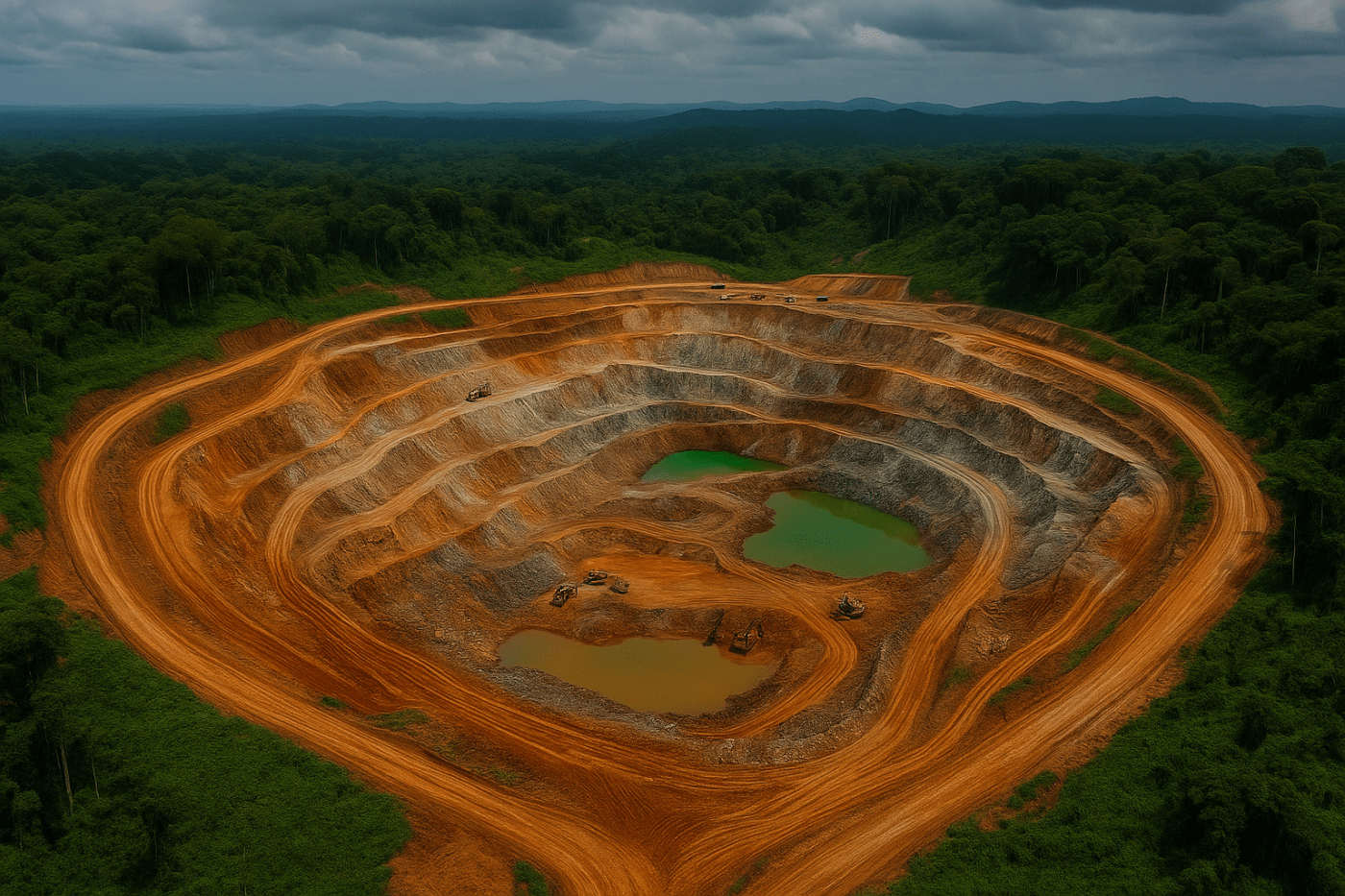
The problem isn’t just who buys the crops—it’s who owns the land, the trucks, the silos, and the laws. JBS, Bunge, ADM, Cargill—these are the real rulers of the region’s agricultural economy. They control logistics, set prices, exploit labor, and greenwash it all with PR about “feeding the world.” Meanwhile, Indigenous communities get displaced, forests get torched, and peasants get left out of the boom. This is the agro-industrial counterinsurgency: bulldozers for profit, backed by state repression and imperial capital.
We Could Feed Ourselves Instead
Movements like La Via Campesina, Brazil’s MST, and agroecology coalitions are calling for something different: food sovereignty, land reform, nationalization of transport and trade. Not just exporting to feed faraway markets, but growing to nourish the people and regenerate our soil. That kind of transformation scares both Washington and Beijing—because it puts power in the hands of the producers, not the profiteers.
The Fork in the Road
Yes, Brazil and Argentina are gaining ground in China’s trade books. But what happens when the prices drop? What happens when China builds its own supply or the next crisis hits? The real question isn’t who buys from the Global South. It’s whether the Global South keep selling themselves cheap. Until land is liberated, credit is democratized, and regional trade is built on solidarity—not speculation—they’re still inside the imperial system. The names just change. The hunger remains.
.
 Weaponized Information
Leave a comment