Inside the Sahel’s boldest anti-imperialist revival—and the risks of building autonomy in the shadows of empire.
By Weaponized Information
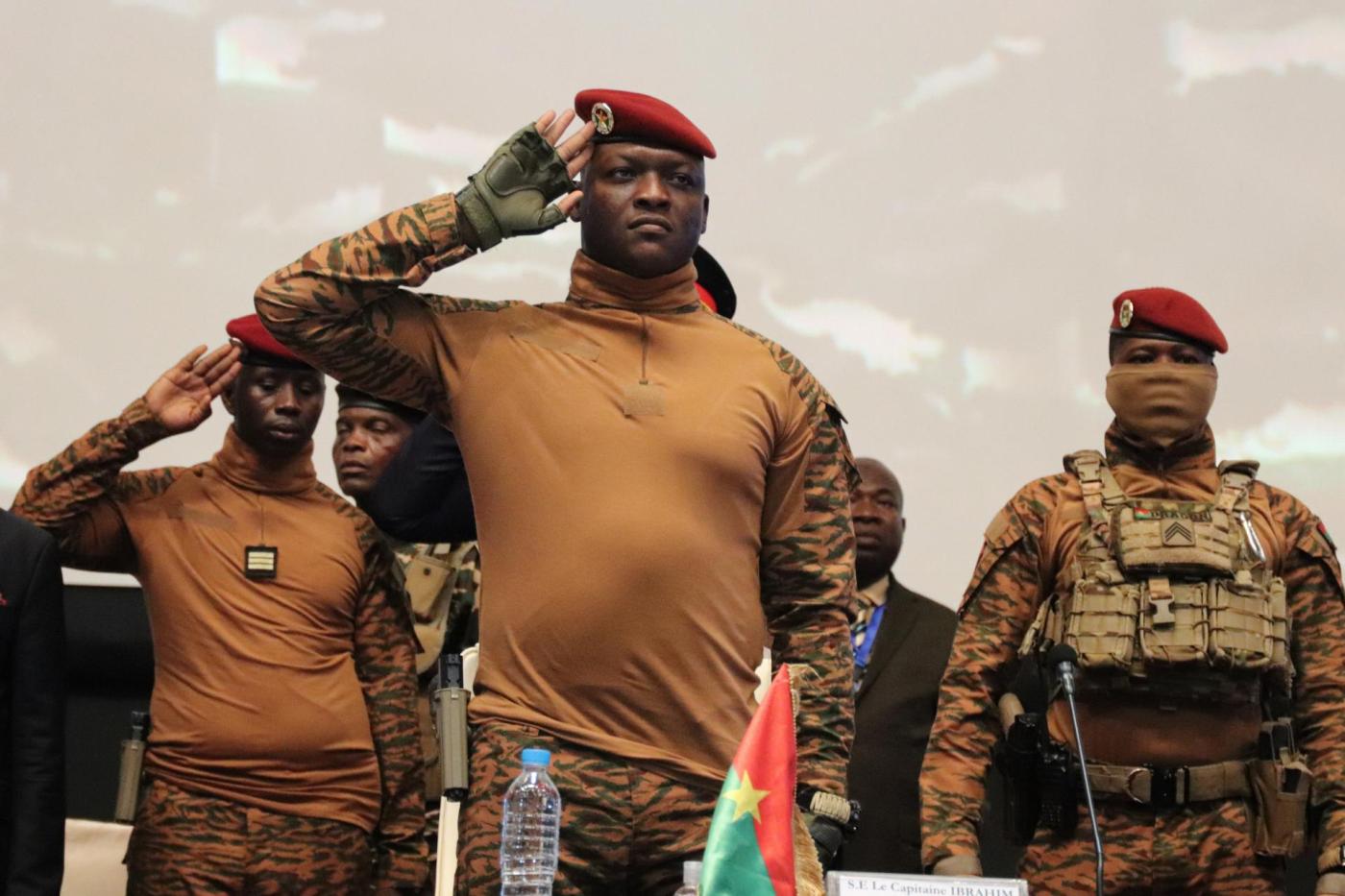
Something is stirring in the Sahel. Not a coup, not quite a revolution—yet—but a rupture. Captain Ibrahim Traoré, the 36-year-old leader of Burkina Faso, is walking a perilous tightrope between nostalgia and insurgency. Since seizing power in 2022, Traoré has styled himself in the image of Thomas Sankara, the anti-imperialist icon who dared to defy France, the IMF, and the comprador class in the 1980s before being assassinated in a CIA-backed coup.
But Traoré is no mere mimic. In a world now shaped by multipolar competition and hyper-imperialist recalibration, his Sankarist revival takes on new meaning. He has expelled French troops, challenged foreign mining interests, and called for regional sovereignty across West Africa. His rhetoric isn’t just symbolic—it’s strategic, aimed at building legitimacy among the poor and disillusioned masses who have grown tired of being ruled by elites in both Ouagadougou and Paris.
Burkina Faso sits at a geostrategic chokepoint in the Sahel, a region both militarized and destabilized by Western counterterror operations, AFRICOM expansion, and French neocolonial intrigue. Traoré’s regime faces relentless pressure—from ECOWAS sanctions, from jihadist insurgencies, from imperial threats disguised as development aid. His gamble is not only to survive these assaults, but to build a new political economy that prioritizes self-sufficiency and regional cooperation.
There are contradictions, of course. His military junta has suspended elections. Press freedom has narrowed. But even these actions must be read in context: what forms of governance are possible in a postcolonial state under siege? In a country surrounded by comprador regimes, Traoré’s consolidation of power reflects not just ambition, but a desperate attempt to hold the line against recolonization.
The stakes are continental. Traoré’s Burkina Faso, allied with Mali and Niger under the new Alliance of Sahel States, is asserting an alternative pole in West African politics. One that rejects French paternalism and American counterterror hegemony. Whether this coalition can survive, let alone succeed, depends not only on their internal coherence—but on their capacity to align with a broader global front resisting imperialism.
This isn’t nostalgia for Sankara—it’s insurgency in the era of algorithmic empire. And it’s just getting started.
 Weaponized Information
Leave a comment